
Regulatory Guide for International Pharmaceutical Shipping by Sea and Air
The Critical Role of Compliance in Global Pharma Logistics
The global movement of pharmaceutical products relies on a tightly interconnected network of manufacturers, freight forwarders, airlines, ocean carriers, customs officials, and distributors. Each transfer point introduces regulatory requirements that must be carefully managed to ensure product safety and legal compliance.
The stakes are extremely high. Improper documentation, customs errors, or failures in temperature control can compromise entire shipments—forcing destruction of goods and delaying patient access to essential medicines. The World Health Organization (WHO, 2019) reports that up to 50% of vaccines are lost worldwide due to avoidable supply chain failures, including temperature instability and transit delays.
With the pharmaceutical logistics market expected to surpass $158 billion by 2028 (Fortune Business Insights, 2023), global compliance is no longer optional. It is a strategic and operational necessity for any organization involved in distributing time-sensitive and high-value medical products.
Understanding the Two Primary Modes of Global Pharma Transportation
Pharmaceutical companies rely heavily on both air freight and sea freight, each offering distinct advantages—and distinct regulatory vulnerabilities.
Air Freight: High Speed, High Sensitivity
Air transport is the preferred method for biologics, vaccines, and emerging therapies such as cell and gene treatments. More than half of all biopharmaceutical shipments travel by air (IATA Pharma Logistics, 2022).
Key compliance risks include:
- Temperature exposure during airport ground handling
- Rapid excursions from passive packaging during loading/unloading
- Multiple handoff points, increasing the odds of procedural failures
Because even minutes on an airport tarmac can push temperatures above 30°C in certain regions, air freight requires strict coordination and qualified packaging solutions.
Sea Freight: High Volume, Lower Cost—But Longer Risk Windows
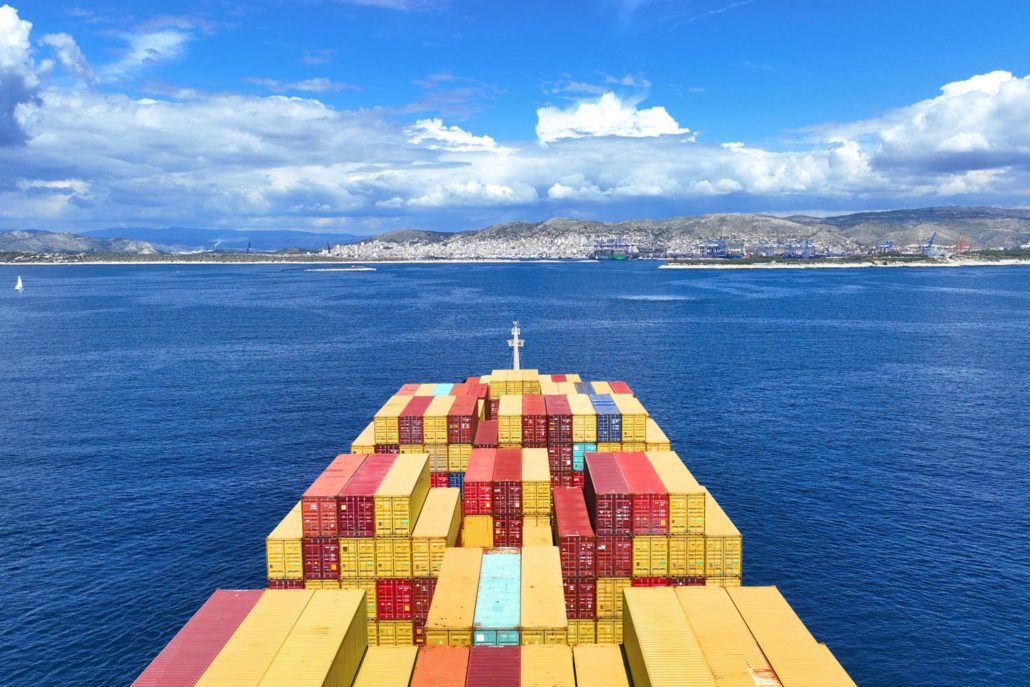
Ocean shipping is increasingly utilized for stable pharmaceutical products like OTC medications, generics, and supplements. Modern insulated reefer containers allow for controlled transport over long distances.
However, sea freight must manage:
- Voyages lasting 30+ days, requiring robust ICH stability data
- Port congestion and customs delays
- Reefer power interruptions leading to temperature excursions
While cost-efficient, ocean transport requires stronger predictive controls and long-range monitoring to maintain compliance.
Key Global Regulatory Frameworks
International pharmaceutical shipping touches multiple regulatory regimes, including:
- Good Distribution Practices (GDP) from the EU and WHO, requiring traceability, documentation, and qualified equipment
- FDA import/export requirements, including Prior Notice and GMP compliance (U.S. FDA, 2023)
- IATA CEIV Pharma certification, validating GDP alignment in air cargo
- IMO’s IMDG Code, regulating hazardous materials and reefer standards at sea (IMO, 2020)
These frameworks help ensure medicines remain potent, safe, and legally cleared across borders.
Documentation: The Most Common Cause of Clearance Delays
Pharmaceutical shipments demand extensive documentation, including:
- Commercial invoices with HS codes and batch data
- Packing lists and packaging descriptions
- Air Waybills (AWB) or Bills of Lading (B/L)
- Certificates of Analysis (CoA)
- Import/export licenses
- Chain-of-custody and temperature monitoring records
Missing or inconsistent paperwork remains one of the leading causes of customs delays—and one of the easiest to prevent.
Compliance Challenges Unique to Air Freight
Common air-mode risks include:
Temperature instability during handling
Especially severe in warm climates, where passive packaging can fail within minutes.
Cargo space limitations
Large thermal containers reduce available aircraft capacity.
Multiple operator touchpoints
Ground crews, brokers, and cargo staff must all follow GDP-aligned processes.
Mitigation strategies:
- Using CEIV Pharma-certified carriers
- Employing active containers (Envirotainer, CSafe)
- Implementing 24/7 remote temperature monitoring dashboards
Compliance Challenges Unique to Sea Freight
Sea-mode risks differ considerably:
Extended transit duration
Long voyages require proven product stability and validated packaging.
Unpredictable port congestion
Customs delays can add days or weeks to journey timelines.
Power inconsistencies with reefers
Short power failures can trigger excursions.
Mitigation strategies:
- Pre-qualifying reefer equipment
- Utilizing dual-power redundancy
- Adding IoT-based GPS and temperature telemetry systems
Country-Specific Regulatory Considerations
United States
FDA Prior Notice and CBP import clearance are mandatory (FDA, 2023).
European Union
EMA mandates GDP compliance, serialization, and aligned customs declarations.
China
Local in-country testing is often required for pharmaceutical imports.
Brazil & India
Additional permits, legal representation, and long clearance timelines are common.
The Digital Evolution of Pharma Compliance
Emerging technologies are transforming regulatory oversight:
- Blockchain for tamper-proof documentation
- AI-powered customs prediction tools
- IoT sensors for temperature, shock, and humidity
- Digital twins for modeling complex supply chains
These tools support real-time compliance and reduce regulatory risks.
Best Practices Checklist for Global Pharma Shipping
- Select GDP-certified logistics partners
- Validate packaging systems based on transport mode
- Pre-submit documentation to prevent customs delays
- Use CEIV- or GDP-certified carriers and facilities
- Monitor every shipment with IoT devices
- Maintain contingency plans and buffer inventory
Conclusion: How Euro-American Worldwide Logistics Supports Pharma Compliance
International pharmaceutical shipping demands flawless execution—from temperature control to documentation accuracy and regulatory alignment. Whether products move by air for speed or by sea for cost efficiency, companies must maintain strict adherence to GDP, customs requirements, and transport-specific standards.
Euro-American Worldwide Logistics bridges these challenges with end-to-end, compliance-driven solutions.
With our cGMP storage facility, FDA-registered capabilities, ISO-9001 certification, and in-house U.S. Customs Brokerage, we help pharmaceutical manufacturers navigate the complexities of global regulations while protecting product integrity.
Our team ensures:
- Correct HS classification and documentation
- GDP-aligned handling and temperature control
- Real-time monitoring for sensitive goods
- Seamless coordination across air, ocean, and final-mile transport
- Proactive contingency planning to avoid delays
As global regulations become more intricate, Euro-American provides the expertise, infrastructure, and oversight required to move pharmaceuticals safely, legally, and efficiently across borders—ensuring patients receive the therapies they depend on.
References
European Medicines Agency. (2013). GDP guidelines.
Fortune Business Insights. (2023). Pharmaceutical logistics market report.
IATA. (2022). Pharmaceutical logistics report.
International Maritime Organization. (2020). IMDG Code.
U.S. Food & Drug Administration. (2023). Import/export guidance.
World Health Organization. (2019). Vaccine wastage estimates.

