
Special Area of Focus: Ukraine — Supply Chain Disruption, Resilience, and Strategic Shifts
Ukraine remains one of the most complex and closely watched supply chain environments in the world today. Ongoing conflict with Russia continues to reshape the country’s economic structure, trade flows, and global logistics relevance.
Despite significant disruption, Ukraine’s economy and export sectors have demonstrated notable resilience—while also undergoing a profound strategic shift toward Western markets.
For global supply chains, understanding Ukraine’s evolving position is critical.
Economic Impact of Ongoing Conflict
Ukraine’s economy continues to operate under the strain of war.
In 2025, the country’s GDP is estimated at $210 billion, representing a decline of approximately 21% compared to pre-war levels in 2021 (inflation-adjusted). This contraction reflects both infrastructure damage and the ongoing reallocation of resources toward defense and recovery.
Trade dynamics have also shifted significantly.
- Exports (2025): $40.3 billion (down 2.9% year-over-year)
- Imports (2025): $84.7 billion (up 20% year-over-year)
The imbalance between imports and exports highlights the country’s increased reliance on external support, particularly for industrial inputs, energy, and reconstruction-related materials.
Key Import and Export Trends
Ukraine’s trade profile in 2025 reflects both disruption and adaptation.
Imports: Supporting a War Economy
Imports have surged, driven by the need to sustain infrastructure, energy supply, and industrial activity.
Top import categories include:
- Machinery: $34.1 billion
- Chemical products: $12.5 billion
- Fuel and energy: $10.5 billion
These categories underscore the country’s dependence on foreign inputs to maintain operational continuity and support rebuilding efforts.
Exports: Agriculture Remains Dominant
Despite the challenges, Ukraine continues to play a critical role in global agricultural supply chains.
Top exports include:
- Food products: $22.5 billion (primarily grains and sunflower oil)
- Metals and metal products: $4.7 billion
- Machinery: $3.6 billion
- Iron ore: ~31 million tons
Agriculture remains the backbone of Ukraine’s export economy, with the country holding a leading position in global markets for sunflower oil, corn, wheat, and barley.
Structural Shifts in the Ukrainian Economy
Beyond short-term disruption, Ukraine is undergoing longer-term structural changes that will influence global supply chains for years to come.
Agriculture: A Critical Global Supply Source
Ukraine’s agricultural sector continues to operate despite logistical challenges, making it a key supplier of essential commodities.
Any disruption to Ukrainian grain exports has immediate implications for global food security and pricing—particularly in Europe, the Middle East, and Africa.
IT and Software Services: A Growing Force
One of the most notable developments is the growth of Ukraine’s technology sector.
IT and software services now account for approximately 43% of total service exports, positioning Ukraine as a major European tech outsourcing hub—even during wartime conditions.
This sector’s resilience highlights the country’s ability to adapt and diversify beyond traditional industries.
Metals and Industrial Output: Partial Recovery
Ukraine’s steel and metals sector remains operational but constrained.
Iron ore exports declined 8% in 2025, reflecting both infrastructure challenges and reduced production capacity. However, the sector remains strategically important, particularly for European manufacturing supply chains.
Strategic Realignment Toward Western Markets
A significant long-term trend is Ukraine’s shift away from historical trade relationships with Russia and Belarus.
Instead, the country is accelerating integration with Western markets, particularly the European Union.
Under a duty-free trade regime with the EU, Ukraine has expanded its access to European markets, strengthening economic ties and reshaping trade flows.
This realignment is expected to continue, with implications for:
- Regional supply chain routing
- Trade policy and regulatory alignment
- Investment flows into Ukrainian industries
U.S.–Ukraine Mineral Agreement: A Long-Term Opportunity
The 2025 U.S.–Ukraine Mineral Resources Agreement represents a pivotal development.
This agreement opens the door for U.S. investment in:
- Critical minerals
- Rare earth elements
- Infrastructure reconstruction
Over time, this could position Ukraine as a strategic supplier of materials essential to advanced manufacturing, energy, and technology sectors.
For global supply chains, this represents a potential long-term shift in sourcing strategies, particularly as demand for critical minerals continues to grow.
The Strategic Importance of Odessa
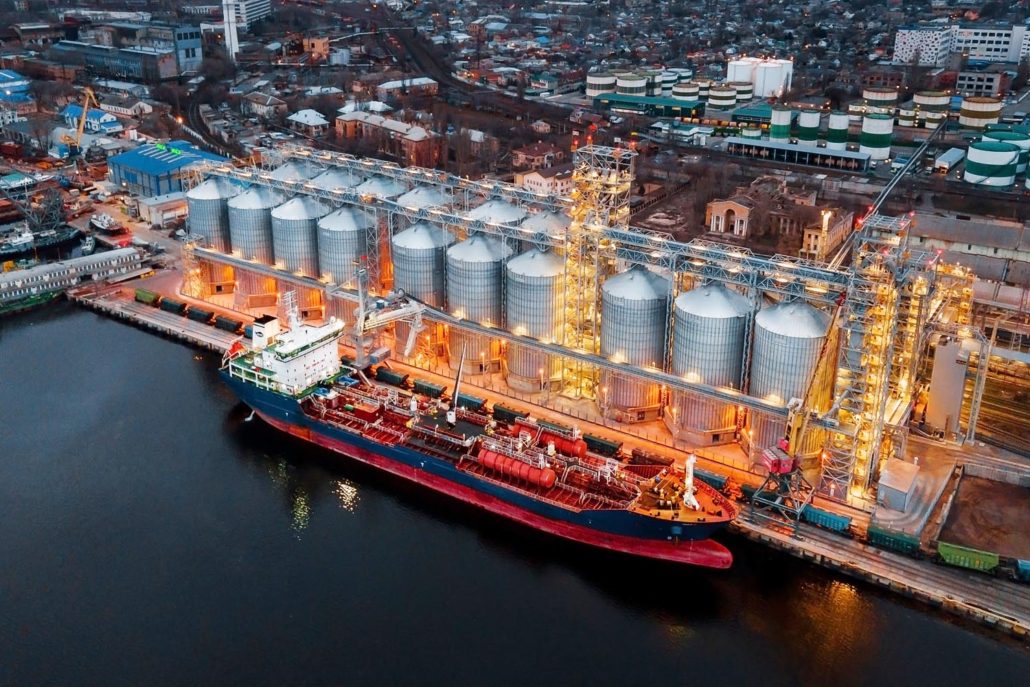
At the center of Ukraine’s supply chain resilience is the port of Odessa.
As a primary gateway for exports—particularly agricultural products—Odessa plays a critical role in maintaining Ukraine’s connection to global markets.
However, it also remains a strategic target in the ongoing conflict.
The continued operation of Odessa is essential for:
- Sustaining agricultural exports
- Supporting global food supply chains
- Maintaining trade flows with Europe and beyond
Any disruption to this port would have immediate and far-reaching consequences across multiple industries.
What This Means for Global Supply Chains
Ukraine’s situation highlights several broader themes shaping international logistics:
- Geopolitical risk is now a central supply chain variable
- Critical commodities remain vulnerable to regional disruption
- Trade realignment can create both challenges and opportunities
- Resilience requires flexibility in sourcing and routing strategies
For manufacturers and importers, Ukraine serves as a case study in how quickly supply chains can be reshaped by external forces.
A Euro-American Worldwide Logistics Perspective
At Euro-American Worldwide Logistics, we view Ukraine as both a short-term disruption point and a long-term strategic opportunity.
The country’s agricultural output, emerging technology sector, and potential role in critical minerals supply chains make it a market to watch closely.
At the same time, ongoing conflict underscores the importance of:
- Diversified sourcing strategies
- Flexible transportation planning
- Strong customs and regulatory expertise
- Real-time visibility into global trade developments
Our role is to help clients navigate these complexities—ensuring continuity, compliance, and adaptability in an evolving global landscape. Contact us today.

