
From Lab Bench to Commercial Shipment: When a Biotech Company Needs a Logistics Strategy
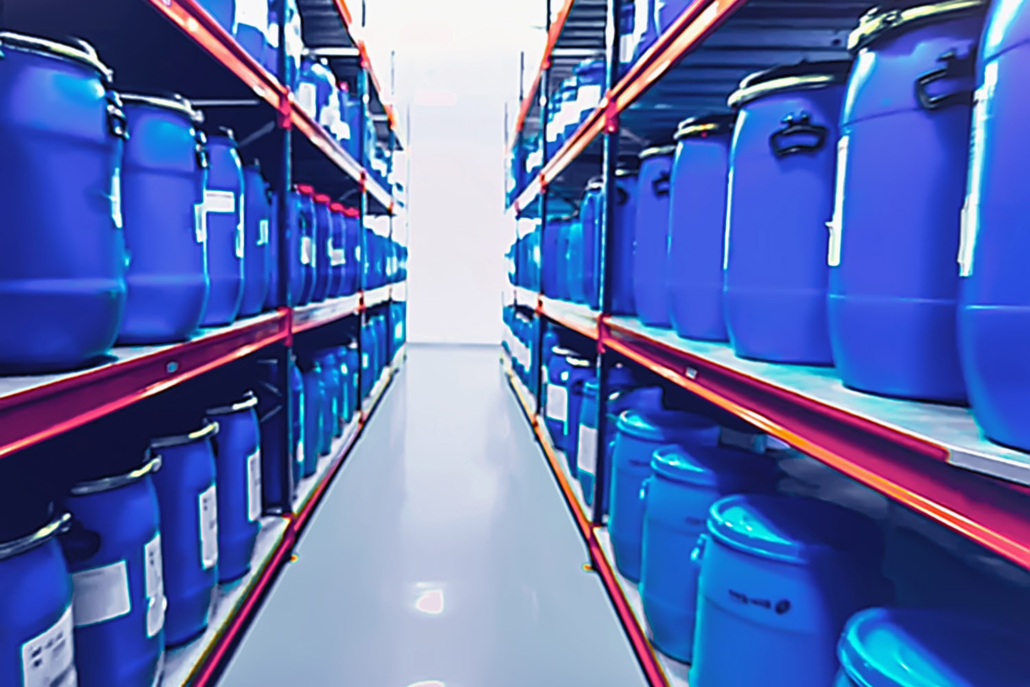
A biotech company rarely sets out to build a logistics strategy. It sets out to develop a therapy. Logistics is something that seems to take care of itself in the early days, a courier here, a cold shipper there, a freight forwarder when something needs to come in from overseas. And for a while, that improvised approach works.
Then the company grows, and at some point the improvisation stops working. A clinical trial needs investigational product delivered to sites on a schedule with an unbroken temperature record. A scale-up requires importing raw materials in volumes that need real storage. A commercial launch demands distribution infrastructure that did not exist the year before. The companies that navigate this progression well are the ones that recognized, early enough, that logistics was going to become a strategic function rather than a series of one-off tasks.
This is a particularly relevant journey in the Massachusetts life sciences ecosystem, where a remarkable density of companies are moving along exactly this path, from research through clinical development, scale-up, manufacturing, and commercial distribution. This article walks through how logistics requirements change at each stage, and when a biotech company should start thinking about logistics as a strategy rather than a task.
| Stage | What Defines It | Primary Logistics Requirements |
|---|---|---|
| Research | Small quantities, high value, specialized materials | Reagents, samples, research materials; often international |
| Clinical | Investigational product to trial sites; strict chain of custody | Temperature control, documentation, time-critical delivery |
| Scale-up | Larger volumes; qualifying suppliers and processes | Raw material import, staging, supplier onboarding |
| Manufacturing | Commercial-scale inputs and output; ongoing operations | API and excipient import, GMP storage, customs, safety stock |
| Commercial | Finished product to market at scale | cGMP distribution, cold chain, final-mile, returns |
Stage 1: Research
In the research stage, logistics needs are real but modest in volume. The company is moving small quantities of high-value materials: reagents, biological samples, specialized research materials, reference standards, and equipment. Much of this is sourced internationally, because the specialized suppliers of research materials are distributed around the world.
The logistics requirements at this stage center on careful handling of small, valuable, often temperature-sensitive shipments, and on the customs considerations that come with importing research materials. Even at this early stage, some materials require import permits, FDA or other agency awareness, and proper classification. A mishandled or delayed inbound shipment of a critical reagent can stall research for weeks. The company may not need a comprehensive logistics strategy yet, but it does benefit from a customs and logistics partner who can handle specialized international inbound shipments reliably.
Stage 2: Clinical
The clinical stage is where logistics requirements take a significant step up in complexity and consequence. Now the company is producing investigational product and delivering it to clinical trial sites, sometimes a handful, sometimes dozens, sometimes across multiple countries. Every shipment carries strict requirements: validated temperature control, complete chain-of-custody documentation, time-critical delivery windows, and the regulatory compliance that governs investigational materials.
stakes change here in a way that is easy to underestimate. A temperature excursion or a delivery failure does not just cost money. It can compromise a patient’s participation in a trial, disrupt a study timeline that represents years of work and enormous investment, and in the worst case, jeopardize the integrity of the trial data itself. Clinical trial logistics demands a level of reliability and documentation discipline that improvised arrangements struggle to provide consistently.
The clinical stage is usually where a biotech company first realizes it needs a logistics strategy, not a logistics vendor. The reliability, documentation, and temperature control required to support a trial are not things you want to be arranging shipment by shipment.
Stage 3: Scale-Up
As a therapy moves toward commercial viability, the company scales up production, and the logistics picture changes character again. The focus shifts toward the inbound supply chain that will feed larger-scale manufacturing: raw materials, active pharmaceutical ingredients, excipients, and packaging components, increasingly in volumes that require real storage rather than just-in-time delivery to a lab.
Scale-up is when several new logistics requirements emerge at once. The company begins importing manufacturing inputs in meaningful quantities, which raises the stakes on customs classification, country-of-origin documentation, and compliant entry. It needs somewhere to store those inputs under appropriate, often temperature-controlled and GMP-compliant, conditions. And it needs to qualify suppliers and the logistics processes that connect them, because a commercial-scale operation cannot depend on a supply chain that has not been validated.
This is also the stage where the cost of fragmentation starts to show. Managing separate relationships for freight forwarding, customs brokerage, and storage, each optimizing for its own piece, creates gaps and inefficiencies that become more expensive as volume grows. The integration of these functions starts to deliver real value.
Stage 4: Manufacturing
At commercial manufacturing scale, logistics is unambiguously a strategic function. The company is now running an ongoing operation that depends on a reliable inbound flow of manufacturing inputs and produces finished product that has to be stored and moved. The supply chain is continuous rather than project-based, and disruptions have direct commercial consequences.
The logistics requirements at this stage are comprehensive. Imported APIs and excipients need compliant customs clearance and validated storage. Safety stock of critical inputs needs to be held to protect against supply disruption. Manufacturing equipment and spare parts need reliable import handling, because a production line down for a missing imported component is an expensive problem. Finished product coming off the line needs GMP-compliant storage and the beginnings of a distribution capability. And all of it needs the documentation and quality-system rigor that a commercial pharmaceutical operation is held to.
Manufacturers at this stage often face a build-versus-outsource decision on storage and logistics infrastructure. Building internal capacity is capital-intensive and slow. Partnering with a qualified GMP logistics provider offers immediate, validated capability, and preserves the company’s capital and management attention for manufacturing itself. This is a stage where the right logistics partnership becomes a genuine competitive advantage.
Stage 5: Commercial Distribution
Commercial launch is the culmination of the journey, and it brings the most demanding logistics requirements of all. Now the company is distributing finished product to market at scale, to wholesalers, distributors, pharmacies, hospitals, or directly to patients, depending on the product and the model. The requirements span cGMP-compliant distribution, validated cold chain for temperature-sensitive products, order fulfillment, final-mile delivery, and returns management, all under continuous quality control and complete documentation.
A commercial launch is also the moment of maximum operational intensity for a company, and the least forgiving time to be building logistics infrastructure from scratch. Product is being manufactured, regulatory milestones are being met, commercial teams are ramping, and the market is waiting. A distribution failure at launch, product that cannot reach the market on time, or reaches it compromised, is among the most damaging outcomes a company can experience after years of development. This is precisely why the logistics strategy needs to be in place before launch, not assembled during it.
The companies that launch smoothly are almost always the ones that treated logistics as a strategic priority well before the launch itself, building the customs, storage, and distribution capability in advance rather than scrambling to assemble it under launch pressure.
When Should a Biotech Company Start Thinking About Logistics Strategy?
The honest answer is: earlier than most companies do. The instinct to treat logistics as a task that can be handled as it arises works in the research stage and starts to strain in the clinical stage. By scale-up, the companies that are still improvising are usually feeling the cost, in delays, in excursions, in fragmented vendor relationships, and in management time consumed by problems that a strategic approach would have prevented.
A practical guideline: a biotech company benefits from establishing a real logistics partnership at the point where its supply chain first becomes consequential to its timeline, which is usually the clinical stage. A partner engaged early can grow with the company through each subsequent stage, so that the customs, storage, and distribution capability the company will need at commercial scale is built on a foundation that already exists and already understands the business, rather than being assembled from scratch under launch pressure.
How Euro-American Worldwide Logistics Supports the Full Journey
Euro-American Worldwide Logistics is built to support life sciences companies across every stage of this progression. Our integrated platform, combining licensed U.S. Customs Brokerage, international freight forwarding, and cGMP-compliant storage and distribution under one roof in Worcester, Massachusetts, means a company can begin working with us for specialized inbound research shipments and continue with us through clinical distribution, scale-up import and storage, commercial manufacturing support, and full commercial distribution.
For the biotech and pharmaceutical companies of the Massachusetts life sciences ecosystem in particular, we offer something valuable: a logistics partner located in the heart of the region, who understands the journey from lab bench to commercial shipment, and who can grow with a company rather than being replaced at each stage. Our white-glove service packages are designed specifically to guide new products from pre-clinical through launch with a dedicated team across customs, logistics, transportation, and storage.
If your company is moving along this path and wants a logistics partner who can support you at your current stage and grow with you into the next, contact our team today.

