
In the life sciences sector, precision is everything—not just in research and manufacturing, but across the entire logistics chain. With complex global supply networks supporting pharmaceuticals, biologics, APIs, diagnostics, and critical research materials, compliance isn’t simply a best practice—it’s a core business necessity.

At Euro-American Worldwide Logistics, our work with regulated products is built on one foundation: compliance first, every time.

The Hidden Cost of Non-Compliance

Some companies believe they can absorb fines or penalties when regulations are overlooked. The reality is far more damaging:

  • Shipment delays or destruction of time- and temperature-sensitive goods.
  • Clinical trial setbacks that can derail product launches and R&D timelines.
  • Loss of trust from customers, partners, and regulators—a harder cost to recover than any financial penalty.
  • Permanent consequences, such as blacklisting, loss of certifications, or exclusion from certain markets and trade lanes.

In the life sciences, one misstep can jeopardize years of work, millions in investment, and—most importantly—patient outcomes.

Logistics in Life Sciences Is Not “Just Logistics”

Every shipment we manage is treated as mission-critical. Compliance in our operation means:

  • GDP-compliant temperature control within our validated 2°C–8°C and 15°C–25°C cGMP storage environments.
  • Accurate, transparent customs documentation to ensure smooth cross-border movement.
  • Chain-of-custody integrity from receipt to final delivery.
  • Proactive risk assessment and mitigation strategies for every shipment.

We work closely with our clients to anticipate regulatory hurdles before they arise—ensuring uninterrupted supply chains and protecting both products and reputations.

Turning Compliance Into a Competitive Advantage

When selecting a logistics partner, the right questions aren’t just “How fast?” or “How cheap?” Instead, ask:

  • How do they respond to changing customs and trade regulations?
  • Can they demonstrate GDP compliance and cGMP processes?
  • Do they act as an extension of your compliance team, offering consultative support?

At Euro-American, the answer to each is “Yes.” We don’t cut corners—we build compliance into every step of the process, ensuring our clients meet all domestic and international requirements without delays or risks.

Educating and Supporting Our Clients

We see compliance not just as a service, but as a responsibility. That’s why we provide guidance on:

  • The full scope of costs beyond fines.
  • The operational and financial risks of delayed shipments.
  • The measurable ROI of a compliance-first logistics strategy.

Our goal is to keep our clients informed, protected, and ahead of the regulatory curve.

The Euro-American Commitment

With our ISO 9001-certified, CTPAT-certified facility in Central Massachusetts, adjacent to Worcester Airport, and our 45,000 sq. ft. validated storage space, Euro-American ensures life sciences companies can trust their products are handled safely, legally, and with full regulatory integrity.

Because in this industry, every shipment is high-stakes—and there is no room for error.

Your science is too important to risk. Partner with Euro-American Worldwide Logistics and ensure your life sciences supply chain is built on compliance, reliability, and trust.
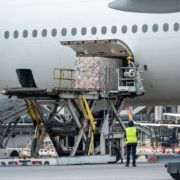

In today’s high-speed, precision-driven global economy, fast shipping isn’t just a luxury—it’s often a necessity. Whether you’re moving pharmaceuticals, components for just-in-time manufacturing, or high-value goods that can’t wait, air freight offers the kind of speed and control that other modes of transport can’t match. But it comes at a premium.

So when is air freight the right move?

Speed That Supports Strategy

Air freight is typically chosen for one key reason: time. When delays threaten production, product launches, or customer expectations, getting cargo in the air can preserve timelines and mitigate downstream disruption. For critical items, such as life sciences materials, aerospace components, or replacement parts, the cost of a delay often outweighs the cost of shipping.

Euro-American helps clients make informed decisions by aligning air freight solutions with business priorities. If speed equates to value—or helps avoid a costly shutdown—then air may be the most cost-effective choice despite the higher rate.

Security for Sensitive and High-Value Cargo

For sensitive cargo—be it biotech shipments, electronics, or mission-critical manufacturing goods—air freight offers greater security and reduced handling risk. Fewer handoffs, shorter time in transit, and tighter chain-of-custody controls reduce the potential for damage, theft, or exposure to environmental variables.

At Euro-American, we work with carefully vetted airline and ground partners and offer temperature monitoring, validated packaging solutions, and real-time visibility to safeguard high-value cargo from departure to final delivery.

When the Cost Is Justified

Air freight isn’t for every shipment—but it’s often the right choice under the following conditions:

  • Product value outweighs transport cost
  • Time-sensitive delivery prevents larger financial losses
  • Inventory holding costs can be reduced
  • Customer satisfaction or SLAs depend on rapid delivery

With increasing pressure to maintain leaner supply chains, many manufacturers are leveraging air freight to reduce warehousing needs and improve working capital. A few days saved in transit can translate into meaningful operational and financial gains.

Flexible Options with Euro-American

Euro-American offers both scheduled air freight services and expedited charter options for clients with critical, last-minute, or complex shipping needs. Whether it’s pharmaceutical cargo requiring temperature compliance, a tight turnaround on aerospace components, or a project shipment requiring hand-carry services, we tailor solutions to your risk profile and deadlines.

Final Thoughts

Air freight isn’t always about the fastest option—it’s about smart decision-making. If meeting a production milestone, fulfilling a high-value order, or maintaining supply chain continuity depends on timing, the return on investment from air freight often justifies the cost.

Looking for an air freight partner who understands urgency without compromising compliance?

Contact Euro-American Worldwide Logistics to discuss whether air freight is the right fit for your next high-stakes shipment. We’ll help you evaluate the variables, minimize risk, and keep your cargo moving on schedule.

As we look ahead to late 2025 and beyond, the North American logistics industry may be bracing for a dramatic shift—one that could put pressure on freight markets, labor availability, and transportation costs. With new federal tax policy now in place, capital-intensive construction projects are moving off the drawing board and into active planning. At Euro-American Worldwide Logistics, we’re already helping clients prepare for what could be a major inflection point.

Tax Reform Fuels Nonresidential Construction Surge

The newly signed federal tax law includes a powerful incentive: businesses can now fully depreciate new industrial buildings and equipment upfront, as long as the assets are operational before 2030. Traditionally, depreciation occurs over 30–40 years—this accelerated timeline will likely front-load investment into 2026–2027.

Industry analysts estimate that $5 to $8 trillion in private capital has already been earmarked for datacenters, clean energy, and advanced manufacturing projects across the U.S. As these projects move toward groundbreaking, the ripple effects could begin as early as Q4 2025, putting strain on materials, skilled labor, and transportation networks.

What It Means for Shippers:

Shovel-ready projects will soon compete for trucking capacity, especially for heavy hauls, specialty equipment, and final-mile construction logistics. Early engagement with your 3PL partner is key to staying ahead of tightening availability.

Truckload Markets React to Port Volume Spike

In the short term, the West Coast freight surge is already rippling through the trucking sector. As of mid-July, load-to-truck ratios (reported by DAT) climbed to 7.43, the highest level in over two years—driven by a wave of inbound container volume through Southern California ports.

Though these inbound volumes may taper in August, truck availability remains tight in affected markets. While spot rates declined 1% week-over-week, and are only 0.5% higher year-over-year, the imbalance could return if domestic demand strengthens or port congestion persists.

Euro-American clients moving product inland from coastal entry points should expect spot market volatility through Q3 and prioritize advance booking for full truckload (FTL) freight.

Freight Pricing Index: By Mode

  • FTL (Full Truckload): June data shows FTL prices dropped 1.5% month-over-month, and are down 1.1% year-over-year, according to the U.S. Producer Price Index. This dip reflects recent overcapacity, but conditions may change rapidly as construction-related freight demand intensifies.
  • LTL (Less-Than-Truckload): Rates for LTL shipments rose 7.8% year-over-year in June, reflecting tighter lane-level capacity and modest volume increases. M/M growth of 0.9% suggests early momentum building in the LTL space.
  • Parcel / Small Pack: Express and e-commerce courier services surged 7.7% year-over-year, with 1.2% monthly growth in June. E-commerce volumes remain resilient, up 8.3% over the past year.

What This Means for 2025 Supply Chain Planning

With e-commerce thriving, LTL demand firming, and heavy industrial freight poised for a spike, shippers face a landscape that will be anything but static.

At Euro-American Worldwide Logistics, we’re preparing our clients to:

  • Secure dedicated trucking and final-mile capacity before rates rise.
  • Diversify modal strategies by balancing FTL, LTL, and intermodal freight depending on cargo profile and lead time.
  • Use bonded and GMP-compliant warehousing to absorb short-term supply fluctuations near major infrastructure corridors.
  • Stay agile by reforecasting transportation budgets with Q4 and 2026 freight demand in mind.

Let’s Build Smarter—Together

Whether you’re supporting an infrastructure rollout, scaling up e-commerce fulfillment, or navigating price shifts across freight markets, Euro-American brings decades of experience and a proactive mindset to your logistics strategy.

Reach out today to learn how we can support your transportation and warehousing goals through the rest of 2025 and into the construction-fueled years ahead.

Brazil remains a pivotal player in international commerce, offering both opportunities and challenges for importers and exporters alike. As Latin America’s largest economy and the world’s 9th largest overall, Brazil’s influence in global supply chains continues to expand—even as its economy remains relatively insulated compared to its peers.

At Euro-American Worldwide Logistics, we monitor high-potential markets like Brazil to help our clients make smarter decisions across their trade and transportation networks.

Brazil by the Numbers

  • GDP: $2.18 trillion in 2024 (9th largest globally)
  • Foreign Trade Participation: ~34% of GDP (below average for similar economies)
  • Global Export Rank: 25th
  • Global Import Rank: 26th

This trade-to-GDP ratio signals that Brazil is still a relatively protected market with room to liberalize and expand foreign trade relationships—particularly for U.S. companies looking to deepen engagement.

U.S.–Brazil Trade Snapshot

The trade relationship between Brazil and the United States has shown steady momentum. In 2024:

  • Total Bilateral Trade: $92 billion
  • U.S. Exports to Brazil: $49.7 billion
  • U.S. Imports from Brazil: $42.3 billion
  • U.S. Trade Surplus: $7.4 billion

U.S. exports to Brazil rose by approximately 11.3% year-over-year, while imports from Brazil grew 8.3%, reflecting mutual demand and a recovering trade flow despite global disruptions.

For Euro-American clients navigating the U.S.–Brazil corridor, these figures underscore the potential to scale operations, diversify sourcing, and expand export channels.

What Brazil Sends to the World

Brazil’s exports are largely anchored in natural resources and agricultural goods:

  • Mineral Fuels & Oil: 17% of total exports
  • Oilseeds (including soybeans): 13%
  • Iron Ore and Other Ores: 10.4%
  • Meat (beef, poultry, pork): 7.3%
  • Sugar: 5.6%
  • Machinery & Computers: 3.9%
  • Other significant sectors: iron/steel, vehicles, coffee, tea, and agricultural byproducts

These exports reflect Brazil’s competitive advantage in raw materials and agribusiness—sectors that often require specialized logistics, including temperature control, origin documentation, and port-based handling expertise.

What Brazil Brings In

Brazil’s import profile is a mix of industrial inputs and high-tech equipment:

  • Petroleum & Derivatives: 15.3%
  • Machinery: 14.4%
  • Electrical Equipment: 12.0%
  • Vehicles: 7.8%
  • Fertilizers: 6.9%
  • Organic Chemicals & Pharmaceuticals: 10.5% combined
  • Plastics & Precision Instruments: 7.2% combined

These import trends highlight Brazil’s growing appetite for advanced manufacturing tools, production inputs, and life science products—categories that align closely with Euro-American’s logistics specializations.

Why This Matters for Euro-American Clients

If you’re shipping to or sourcing from Brazil, you need a logistics partner with:

  • Deep experience in navigating trade regulations
  • Proven track record in moving high-value or sensitive goods
  • Insight into emerging bilateral trends and port strategies

At Euro-American Worldwide Logistics, we offer full-service import/export support—including ocean, air, and customs brokerage—for clients working in or with Brazil. Whether you’re moving agri-commodities, medical-grade materials, or complex machinery, we’ll ensure your cargo moves compliantly, safely, and efficiently.

Let’s Talk

Thinking about expanding your footprint or looking to optimize existing lanes? Contact Euro-American to review your current routing strategy, evaluate customs risk, or build a region-specific logistics plan.

As global trade conditions shift and pricing volatility continues across transportation modes, manufacturers and logistics professionals alike are recalibrating their supply chain strategies for the second half of 2025. At Euro-American Worldwide Logistics, we monitor the data behind these trends to ensure our clients are always prepared—whether planning freight budgets, reevaluating routing decisions, or negotiating contracts.

Here’s a snapshot of what’s happening now across air, ocean, and warehousing—and what it means for your supply chain.

Air Freight: Rates Climb Year-on-Year

In May, global airfreight pricing edged down 2.2% month-over-month—a slight correction following a price surge in April. Still, year-over-year, air cargo rates remain 9.1% higher, reflecting increased reliance on time-critical shipments amid geopolitical uncertainty and front-loaded orders ahead of trade deadlines.

What It Means for Shippers:

Air remains the fastest, but most expensive mode. With pricing elevated and capacity tightening on key lanes (particularly Asia to U.S.), now is the time to lock in space for urgent or temperature-sensitive freight.

Ocean Freight: Stabilizing After Steep Swings

Maritime freight rates showed mixed movement. June data indicated a 5.1% year-over-year decrease, yet a 3.8% monthly uptick, signaling renewed demand following tariff postponements. U.S. importers, anticipating higher duties post-August, have been front-loading cargo, temporarily pushing up spot prices.

What It Means for Shippers:

Expect a continued back-and-forth pattern in ocean pricing. While overall rates remain more affordable than air, proactive booking is essential to secure capacity—especially on trans-Pacific routes. Euro-American’s carrier relationships and blank-sailing visibility can help clients stay ahead.

Warehousing: Prices Dip, But Capacity Tightens Near Ports

Warehouse service rates dipped again in June, down 1.5% month-over-month, but still up 1.1% year-over-year. Vacancy rates remain elevated in some inland areas, yet coastal facilities—especially near high-volume ports like New York and LA—are seeing renewed pressure due to a wave of inbound inventory.

What It Means for Shippers:

If you’re holding goods in U.S. FTZs or bonded warehouses to delay tariff costs, now’s the time to secure long-term space. Euro-American’s GMP-compliant facilities near Boston and Worcester are ready to support life sciences, plastics, and high-value commodities with precision storage and full audit traceability.

New Orders Soft as Buyers Await Tariff Clarity

New manufacturing orders globally are showing fatigue. Out of 30 surveyed economies, 17 were still in contraction by late June, and most posted weaker numbers month-over-month. A significant contributor? Uncertainty around the August 1st U.S. tariff deadline, which has kept foreign buyers cautious and domestic inventory planners on hold.

What It Means for Supply Chains:

Expect uneven demand and cautious lead times in Q3. Our clients are advised to evaluate forecast buffers and revisit production logistics with flexibility in mind. Let our team help you create contingency plans to respond to sudden shifts in sourcing or customs policy.

Tariffs Are Higher—and Still Taking Effect

Few countries have finalized new trade terms with the United States. Notably:

  • UK settled at a flat 10% tariff, despite a U.S. surplus
  • Vietnam agreed to a 20% duty
  • Indonesia came in at 19%

With many countries still negotiating, the blended effective tariff rate is now trending around 15–18%—a level that analysts warn could reduce global GDP by nearly 1% if offsetting trade doesn’t materialize.

What It Means for Euro-American Clients:

Tariff exposure is likely to increase in Q3–Q4. Many companies haven’t yet felt the full cost impact as cargo in transit is still clearing under legacy rules. Let us help you audit upcoming shipments, evaluate alternative HTS codes, and identify cost-saving customs strategies.

We Help You Stay Ahead of the Curve

At Euro-American, we take pride in helping our clients operate with clarity—even when the global environment is anything but clear. Our logistics experts offer strategic forecasting, cost modeling, bonded warehouse solutions, and real-time customs guidance to help you adapt as conditions evolve.

Need to reassess your freight mix or warehousing footprint before peak season hits? Contact us today to schedule a consultation.

Given the current economic and political context, what can we expect for transportation and logistics capacity through the end of 2025? In short, most freight modes are entering H2 with abundant capacity, but there are potential pinch points on the horizon. Here’s a mode-by-mode outlook:

  • Ocean Shipping: Ocean carriers are in a significantly better position capacity-wise than in the last two peak seasons. Global container fleet size has grown – new mega-vessels ordered during the boom are being delivered, with container ship capacity projected to rise ~46% by 2026 (far outpacing demand growth) (transportationtaxconsulting.com). This suggests that unless demand unexpectedly soars, overcapacity will be an ongoing theme in late 2025. Carriers have already been blanking (canceling) many sailings to prop up rates. We anticipate they will continue this practice into Q3–Q4, especially after the summer rush subsides. Indeed, Drewry’s analysts forecast a weakening supply-demand balance in 2H 2025, putting renewed downward pressure on spot freight rates (drewry.co.uk). Shippers can likely expect relatively favorable ocean pricing for the rest of the year compared to pre-pandemic norms, though not as dirt-cheap as the trough of late 2023. One caveat: if U.S.–China tariffs snap back in August, trans-Pacific volumes could dip sharply in Q4, leading carriers to possibly consolidate services or idle ships, which could cause localized capacity tightness (e.g. fewer weekly sailings to certain smaller ports). Additionally, the West Coast port labor situation – stable since last year’s ILWU contract – should remain calm; we don’t foresee labor disruptions on the U.S. West Coast in this period. In Europe, however, labor strife has been an issue (strikes in Germany, France, etc. in spring 2025). That has led to port congestion in Northern Europe (waiting times 5–6 days at some ports) . If those issues persist or flare up again, carriers might reroute some Europe-bound services, which could affect schedule reliability into Q3. Shippers should build cushion into ocean transit plans and stay flexible on port routings (consider alternate ports that are less congested). By late Q4 (post-holiday), we expect a lull in volumes and plenty of vessel space – a good time for opportunistic shippers to negotiate 2026 contracts at competitive rates.
  • Air Freight: The outlook for air cargo capacity is cautiously optimistic. International passenger flights (which carry a huge portion of airfreight in their bellies) continue to ramp up. By Q4 2025, global air travel is forecasted to be near pre-2020 levels, which translates to restored cargo capacity on many routes. This is already evident on Europe-North America and intra-Asia lanes, where capacity has largely normalized and rates have remained stable. However, demand swings could temporarily tighten certain routes. The trans-Pacific air market, as noted, is going through a summer cargo boom due to tariff front-loading (chrobinson.com). That demand is expected to taper by early Q3 once the duty deadline passes. After that, if U.S.–China trade slows in Q4, we could see a surplus of air capacity and potentially very soft air rates for late-year (barring the usual pre-Christmas tech product rush, which might be muted if inventories were pre-stocked). One trend to watch: modal shift back to ocean. During the pandemic, high ocean rates and poor reliability drove shippers to air; now with ocean reliable and cheap again, some of that discretionary air freight (like e-commerce goods that aren’t truly urgent) may shift back to sea. This could keep air demand in check. On the flip side, extreme weather events can suddenly boost air demand – e.g. if fall hurricanes disrupt ocean ports or if production delays require last-minute air lifts. Also, certain industries (semiconductors, pharmaceuticals) have robust pipelines and will use air regardless of cost. Net-net, expect ample air cargo capacity in Q3–Q4 and continued normalization of rates. Carriers will be hungry to fill planes, especially freighters. Shippers should still secure space for peak weeks (like early December for final holiday stock) but overall, air freight should be a reliable relief valve if you need to expedite late-year shipments. Keep an eye on fuel surcharges though; if oil prices spike with geopolitical events, air freight costs will rise accordingly even if base rates don’t.
  • Trucking (North America): The U.S. trucking industry enters late 2025 in a state of overcapacity, and it will likely remain a “shippers’ market” well into Q4. The first half saw a wave of carrier bankruptcies and exits, yet capacity still exceeded demand. Tender rejection rates (a measure of carrier tightness) only just crept above 10% in certain regions by June, after being near record lows for over a year (freightwaves.com). Contract truckload rates have been trending down, and spot rates are at or below carriers’ operating costs in many lanes, forcing weaker operators out. The process of rebalancing is gradual – current estimates suggest that not until early 2026 will the truckload sector burn off the excess capacity and return to an equilibrium in pricing (chrobinson.com). For Q3–Q4, this means shippers can count on plentiful trucking options and competitive rates for most lanes. This is a boon for domestic distribution and last-mile delivery budgets. However, a few points of caution:
    • Seasonal demand in Q4 (the holidays) will still cause localized tightness. Carriers often see a surge in volume from retail, parcel, and perishables in Oct-Nov. Even in a soft market, expect spot rates to rise seasonally in those months especially in distribution hubs and final-mile capacity for e-commerce.
    • Fuel prices are a wild card. With diesel prices having fallen to around $3.50/gal in Q2, trucking costs benefited. But any sustained oil price increase (e.g. from the Middle East situation) in Q3 or Q4 will directly feed into fuel surcharges. So while base linehaul rates might stay low, the total cost per mile could jump on fuel volatility. Shippers should consider fuel hedging or adjusting budgets if crude remains above, say, $75/barrel.
    • Infrastructure or regulatory changes: By late 2025, some new regulations (emissions rules in California, for instance) will tighten operating conditions in certain states. California’s zero-emission truck mandates and AB5 labor law have the potential to reduce capacity or raise costs in that region. Also, hours-of-service flexibility granted during COVID is gone, meaning carriers have less wiggle room to absorb delays. These factors are not deal-breakers but could slightly erode some of the excess capacity by making operations tougher for small carriers.

Overall, though, trucking in H2 2025 should remain a bright spot for shippers – reliable and affordable. Use this period to secure strong contract rates into 2026. Also, with the railroads improving service, consider intermodal for long-haul moves; truckload competition has already pushed rail providers to be more price-aggressive. If the economy were to unexpectedly boom late-year (not likely, but if), there is still a large cushion of idle trucks and drivers to handle it. One note: the driver shortage narrative is less acute right now due to the soft market, but longer-term demographics still suggest challenges ahead. Wise shippers will continue to treat core carriers well and be strategic about commitments, because the pendulum will swing back after 2025.

  • Labor and Workforce: Labor availability in supply chain roles – from warehouse staff to truck drivers to port workers – is poised to improve slightly in late 2025 compared to the last couple of years. As mentioned, a cooling economy is already easing the ultra-tight job market. Unemployment, while still low, is ticking up gradually, and anecdotal reports suggest it’s becoming a bit easier to hire warehouse associates and hourly manufacturing labor in some regions. If the Fed’s rate cuts are indeed coming because they see higher unemployment aheadfile-8ca5d51wrmsdbxsaxnwhtv, then by Q4 we could have a more balanced labor market. That said, “easier” is relative – many logistics operations still report worker shortages, just less severe than before. Warehouse labor in major ports (LA/Long Beach, NYC/NJ) remains in demand, especially with record volumes moving into bonded facilities. But wage pressures have moderated as turnover slows. Driver retention has improved because fewer new trucking jobs are available; paradoxically, some laid-off drivers from small carriers might be back as available capacity for larger fleets. For skilled roles (CDL drivers, licensed customs brokers, etc.), competition will persist, but overall labor inflation should calm down in late 2025.

There are two caveats: labor relations and strikes, and technology impacts. On labor relations, 2025 has seen its share of labor actions – in Q2, some European port strikes and U.S. rail worker disputes made headlines. Looking ahead, one potential flare could be in parcel delivery: the new UPS union contract runs through 2028, so no risk there now, but other logistics sectors (like warehouse gig workers or Amazon’s fulfillment network employees) have been pushing for unionization. A strike in a major e-commerce fulfillment or delivery network during peak season, while not highly likely, is not impossible. And globally, union activism is high – any industrial action at major ports or among trucking unions (in, say, South America or Asia) could disrupt specific trade lanes in Q3–Q4. The second caveat is technology. Automation and AI adoption in supply chain could start to visibly reduce labor needs in certain areas by late 2025. For instance, more warehouses are deploying robotics for picking and packing; driver-assist technologies are improving trucking efficiency. The full impact is longer term, but companies are already using tech to offset labor shortages. One result is that productivity per worker is rising, which could mean you don’t need to hire as many seasonal workers in Q4 as you did in the past to handle the same volume. Still, training and upskilling existing staff to work alongside these new technologies will be a focus. In sum, the labor outlook is cautiously improving for employers, but don’t assume labor challenges are over. Continue to invest in employee retention and training – it pays off when the market swings back or when new tech comes in.

In summary, Q3–Q4 2025 will test supply chains, but it won’t be a repeat of the unprecedented crises of 2020–2021. We’re in a different phase now – one that rewards agility and informed strategy. Manufacturers, retailers, and logisticians who stay alert to trends, adapt quickly, and seize on the favorable aspects (like lower transport costs) can thrive even amid the challenges. The holiday peak season will likely be smoother than the past couple years, yet new challenges could emerge from the geopolitical realm. It’s a time to be vigilant but also to optimize and build for the future.

Is your supply chain prepared for what’s next? At Euro-American Worldwide Logistics, we help businesses chart a steady course through uncertain waters. Whether it’s adjusting your freight plan for peak season, finding warehousing solutions, or navigating the latest trade regulations, our experts have you covered.

Don’t go it alone this year. Contact Euro-American Worldwide Logistics today to discuss your Q3–Q4 logistics strategy. Let us put our global network and seasoned insight to work for you – so you can focus on growth while we handle the complexity. Reach out now and fortify your supply chain for a strong finish to 2025!

Summary of the Deal

The U.S. and China have finalized an interim trade agreement centered on critical minerals and export policy. 🇺🇸🇨🇳 China has agreed to resume the expedited export of rare earth minerals, vital for U.S. industries ranging from aerospace to digital tech. In return, the U.S. will lift export controls on ethane, microchip design software, and jet engine components, paving the way for resumed shipments to China (reuters.com, charter97.org).

What’s Including

  • USA: Removal of export restrictions on ethane, semiconductor design tools, and aircraft parts
  • China: Rapid resumption of rare earth mineral shipments (used in magnets, wind turbines, EVs, medical tech)

The rare earth deal follows earlier Geneva negotiations and a £ framework set in London, pending final sign-off by Presidents Trump and Xi (reuters.com, wsj.com).

Time Frame & Broader Trade Talks

This deal comes just ahead of the July 9 deadline when previously paused reciprocal tariffs—some set as high as 50%—may be reinstated if no new agreements are reached. The U.S. is actively pursuing up to 10 similar trade deals by that deadline, including one reportedly near completion with India; no timeline has been confirmed for other countries yet (straitstimes.com, tradingview.com).

Implications for U.S. Shippers

  1. Reduced Input Costs for High-Tech Manufacturing: With rare earth deliveries accelerating, aerospace, defense, and electronics manufacturers can expect improved supply reliability and cost predictability for key components.
  2. Export Opportunities to China: Renewed access to U.S. ethane, microchip software, and jet engine parts opens new commercial avenues—especially for chemical processors, avionics firms, and semiconductor tool vendors.
  3. Tariff Risk Still Looms: While the China deal temporarily stabilizes trade, other partners remain under the tariff deadline cloud. Manufacturers with global sourcing or export needs must be prepared for sudden rate hikes after July 9.
  4. Need for Agile Logistics Planning: Companies should reassess supply chain routes, warehouse locations, and inventory positioning to take advantage of both inbound and outbound trade opportunities under shifted tariff regimes.

What You Should Do Now

  • Review your supply chains for rare earth dependence and identify potential stock or supplier vulnerabilities.
  • Engage proactively with U.S. export controls specialists to efficiently resume ethane, semiconductor tool, and aerospace part shipments.
  • Prepare for tariff reactivation post-July 9—diversify sourcing, plan bonded imports, and secure freight capacity in advance.
  • Explore Euro-American’s customs brokerage, and warehousing to maintain compliance and cost-effectiveness during this rapid policy shift.

At Euro-American Worldwide Logistics, we’re closely monitoring this and related trade developments. Whether you’re importing critical minerals or exporting sensitive technology components, our global trade compliance team and bonded warehousing solutions are equipped to keep your supply chain operational and your costs under control. Contact us today.

In June 2025, global trade tensions remain high even as some key agreements offer relief. The United States and China have reached a tentative truce to halt further escalation of their trade war. President Trump announced a framework deal fixing U.S. tariffs on Chinese goods at a steep 55% (up from 30%), while China’s retaliatory tariffs stay around 10%. This compromise (pending final approval by both nations) also sees China removing export curbs on rare earth minerals and welcoming back Chinese students to U.S. universities. Despite easing the threat of “triple-digit” duties, the new rates cement a high-cost baseline for U.S.–China commerce. Indeed, U.S. seaborne imports from China plummeted 28.5% year-on-year in May as earlier rounds of tariffs bit, driving U.S. buyers to alternative suppliers. China’s own exports to the U.S. fell by $15.2 billion in May, contributing to a sharp slowdown in China’s overall export growth (weforum.org). These figures underscore how severely the tariff volleys have disrupted trade flows on both sides. Importers are responding by shifting sourcing: shipments from Vietnam, India, Thailand and Mexico to the U.S. have surged double-digits to fill the gap.

Beyond the U.S.–China standoff, other trade partners are adjusting to the new tariff landscape. U.S. and UK officials have finalized a trade agreement that will lower or remove tariffs on many British exports such as automobiles, aerospace parts, steel and aluminum. This “Economic Prosperity” deal establishes quotas for UK-made cars (100,000 vehicles annually at a reduced 10% U.S. import tariff) and commits both countries to tariff-free trade in certain aerospace products (whitehouse.gov). The pact aims to offset the damage of recent U.S. tariffs on UK goods – British exports to the U.S. had plunged by 33% in April (a record £2 billion drop) when the new American duties took effect. Across the Channel, European Union industries are also reeling. Eurozone exports to the U.S. fell over 10% in April, contributing to a steep 8.2% monthly drop in the EU’s external trade (reuters.com). Major European exporters like Germany saw shipments to the U.S. dive by double digits under the strain of higher U.S. import taxes. China, for its part, is courting new markets – Beijing just announced elimination of tariffs on imports from 53 African countries, an outreach to boost trade with developing economies as U.S. demand weakens.

Freight Market Trends in Mid-2025

Global logistics costs and capacity have been whipsawed by these trade developments, as well as ongoing post-pandemic adjustments. Here is a breakdown of current freight market conditions across major modes of transport:

  • Ocean Freight: Container shipping rates spiked in early June as U.S. importers rushed to beat the expiration of temporary tariff reductions. After six consecutive weeks of rising spot prices, Drewry’s World Container Index slipped 7% to $3,279 per 40’ container in mid-June, indicating the surge may be tapering off. Carriers had cut back sailings in April–May when U.S.–China volumes plunged, but are now restoring capacity on trans-Pacific lanes to accommodate front-loaded orders. Freight rates from Asia to U.S. West Coast ports jumped dramatically (up 73–81% over six weeks through early June) amid the rush . However, analysts expect excess vessel supply and softer demand to reassert downward pressure on rates in the 2nd half of 2025, especially if tariff hikes resume. On Asia–Europe routes, the redeployment of ships to the Pacific has caused short-term tightening; June spot rates from Shanghai to North Europe ticked up by ~10% (drewry.co.uk). Overall, ocean carriers are managing capacity carefully through blank sailings and could even face new challenges like U.S. port fees on Chinese-built vessels (a surcharge on ships effective October 2025) which may prompt fleet reshuffling. For importers, the current ocean market offers lower year-on-year shipping costs but also volatility – it’s a buyer’s market for now, yet prudent shippers are booking well in advance to lock in space and rate stability.
  • Air Freight: Air cargo trends are mixed by region but capacity constraints are emerging on key lanes. In Asia, export airlines are entering a volatile period: the 90-day tariff truce on Chinese goods expires in August, so Chinese shippers are front-loading air shipments through late June and July. This is driving up trans-Pacific air cargo demand in the near term. At the same time, lower U.S. tariffs on other countries’ goods end on July 9, spurring a broader push to move merchandise now. As a result, Trans-Pacific eastbound air routes are seeing a sharp but likely temporary spike in volumes. Capacity is tightening out of major Asian hubs, and air rates may rise for last-minute space heading into July. In contrast, Europe’s airfreight market is relatively stable – outbound capacity to North America and Asia is largely balanced, helped by recovering passenger belly capacity. However, certain specialized sectors (pharmaceuticals, aerospace) face pockets of higher air rates and transit delays due to their unique handling needs. North American air gateways still have some congestion; West Coast airports in particular are capacity-constrained because Asia-U.S. passenger flights have not fully rebounded and e-commerce volumes, while softer than last year, still strain throughput. Overall, air cargo rates in mid-2025 remain well below the extreme peaks of 2021–22, but shippers should anticipate rate volatility on trans-Pacific lanes over the next two months. Building extra lead time (or using charter options for critical freight) is wise as the tariff deadline approaches.
  • Truckload and Intermodal (Rail): In North America, the domestic trucking market is saturated with capacity. Truckload spot rates have been sluggish, reflecting what one logistics firm calls an “elongated state of carrier oversupply”. Ample trucking availability is keeping transportation costs in check for shippers on local and regional hauls. This dynamic likely persists until enough small carriers exit the market or freight demand picks up later in the year – current projections suggest normalization by early 2026 if trends hold. On the rail side, there are signs of a rebound in intermodal demand as imports flow in. U.S. West Coast ports saw volumes plunge in May due to the tariff war, but as the tariff pause unleashed pent-up imports from China in June, the Ports of LA/Long Beach have quickly gotten busier. Consequently, demand for inland intermodal (containers moving from the West Coast by rail) is spiking. Many shippers are taking advantage of cheaper intermodal rates for freight that isn’t time-sensitive – a cost-saving strategy given trucking’s faster service isn’t needed for every load. Intermodal providers are generally ready for this uptick; rail networks have capacity after earlier volume declines. We do note that drayage (port trucking) in some hubs faces delays, partially due to rail yard transitions like the CP–KCS railroad merger causing short-term disruptions. But overall, inland transport is fluid. Importers moving heavy or bulky loads inland from ports right now can capitalize on favorable trucking and rail pricing, especially if they plan around any localized bottlenecks.
  • Warehousing and Inventory: The warehousing sector is at an interesting inflection. After two years of rapid expansion, U.S. industrial capacity is catching up with demand. The national warehouse vacancy rate has risen to ~7% (up from under 5% during the peak of 2022), easing pressure on space . Rent costs had even leveled off or dipped over the past year. However, recent activity suggests a turn: the Warehouse Pricing Index just increased for the first time in 13 months in Q2 2025. This uptick is driven in part by front-loaded inventories in port markets – as companies import goods early to get ahead of tariffs or potential supply disruptions, they are filling coastal warehouses. Another factor is the surging interest in bonded storage and Foreign Trade Zones (FTZs). Search activity for bonded/FTZ warehouse space skyrocketed 150% in the last quarter. Importers are actively considering FTZs as a “safe harbor” to hold goods without incurring duties. By storing products in a bonded facility or FTZ, they can defer or even avoid tariffs (for example, by re-exporting or waiting to see if tariff policies change) (warehousequote.com). Many firms find the flexibility worth the extra cost of these specialized warehouses. Overall warehouse pricing is still moderate across most inland U.S. markets, but hotspots like Los Angeles, Houston, and New York (near ports) are seeing capacity tighten again due to the wave of incoming inventory. For exporters, one concerning trend is container availability: with fewer imports earlier this spring, empty containers became scarcer at inland locations, a situation that could persist if ocean carriers reallocate equipment to high-demand lanes. Businesses should monitor warehouse capacity and container supply closely as we head into peak season. Securing space or equipment early – or using creative solutions like “pop-up” storage and drop containers – may be necessary if inventory levels suddenly rise.

Is your supply chain prepared for what’s next? At Euro-American Worldwide Logistics, we help businesses chart a steady course through uncertain waters. Whether it’s adjusting your freight plan for peak season, finding warehousing solutions, or navigating the latest trade regulations, our experts have you covered.

Don’t go it alone this year. Contact Euro-American Worldwide Logistics today to discuss your Q3–Q4 logistics strategy. Let us put our global network and seasoned insight to work for you – so you can focus on growth while we handle the complexity. Reach out now and fortify your supply chain for a strong finish to 2025!

With all the above factors in play, what should manufacturers, importers, exporters, and logistics managers do to navigate Q3 and Q4 of 2025 successfully? Here are some strategic tips for the months ahead:

  • Stay Agile with Inventory: Given the demand uncertainty, employ an agile inventory strategy. Use demand sensing tools to read real-time sales data and adjust inventory targets frequently. If you see an uptick in demand, don’t be caught off guard – leverage the available freight capacity to replenish quickly (even if it means spending a bit more on expedited shipping, it’s better than missing sales). Conversely, if sales slow, have markdown or repurpose plans ready to prevent overhang. Consider strategic stockpiling for critical inputs that could be disrupted (for example, if you rely on Middle Eastern petrochemicals or Chinese components that could face tariffs, holding extra safety stock through Q4 might be wise). But avoid blanket over-ordering; be surgical in building buffers where it makes sense.
  • Optimize Mode and Route Choices: The second half of 2025 is a time to revisit your transportation mix. With ocean freight inexpensive and reliable again, you might shift some volume from air back to ocean to save money. With trucking plentiful, you might use trucking for moves you previously routed by intermodal rail for capacity reasons. However, keep some diversification: use multi-modal solutions (for instance, fast ocean services or road/rail combos) to balance cost and risk. And be open to alternative routings internationally. For example, if U.S. West Coast ports get crowded with the tariff pull-forward, consider routing some cargo via the U.S. East Coast or Gulf Coast – those ports have improved productivity and could have more spare capacity. Similarly in Europe, if Northern European ports face labor issues, look at Southern European or Baltic ports as backups. Flexibility in how and where you move goods can be a competitive advantage in this volatile period.
  • Lock In Logistics Partnerships: While capacity is loose now, the cycle will eventually turn. Use late 2025 to solidify relationships with carriers, forwarders, and logistics partners. Negotiate favorable long-term contracts for 2026 that include flexible volumes or index-linked rates to protect you from future spikes. Many providers are currently offering value-adds (such as free warehousing for a period, or including customs brokerage in freight rates) to win business – take advantage of this. Also, lean on your 3PLs for insight: a good logistics partner can provide early warning on emerging issues (like port strikes or space tightening) and help you reroute or adjust plans proactively. Don’t treat logistics as a commodity; treat it as a strategic component especially as we navigate these uncertain next two quarters.
  • Monitor Leading Indicators: Keep a close eye on a few key indicators that can clue you in on trend changes. For example, U.S. container import volumes each month (if they start dropping sharply year-on-year, it could signal a broader slowdown or tariff impact). Watch the Purchasing Managers’ Index (PMI) in major economies – PMIs dipping below 50 might foretell weaker demand soon. Similarly, track the Shanghai Containerized Freight Index and air freight indices for any sudden rate movements, which might indicate capacity adjustments. On the cost side, obviously monitor crude oil prices daily; if Brent looks set to persist above, say, $85–$90, it might be time to secure fuel surcharges or alternative capacity (like more fuel-efficient carriers). And of course, tune into trade news – any hints from U.S.–China negotiations or Middle East ceasefire talks can literally move markets. By staying informed, you can react faster and communicate better with your customers about what to expect.
  • Build Resilience and Redundancy: Perhaps the biggest lesson of recent years is to expect disruptions and build resilience. For late 2025, this means having backup plans for key facets of your supply chain. Identify your critical products and map out secondary suppliers for them (if your primary source is in a potentially affected region). If you haven’t already, qualify at least one alternative supplier outside of China for essential components, to hedge against the tariff and geopolitical risk. Diversify your carrier base – for instance, don’t put all cross-Pacific volume with one steamship line or all air freight with one airline. Mix and match so that if one carrier faces issues, others can pick up slack. Invest in technology too: supply chain visibility platforms can alert you to delays in real time, and AI-driven forecasting can help you scenario-plan better. Lastly, consider insurance: cargo insurance, political risk insurance, even business interruption coverage related to supply chain – these can provide financial cushioning if worst-case events hit in Q3–Q4.

By following these steps, companies can turn the uncertainties of late 2025 into opportunities. Those who are proactive will manage to keep shelves stocked, costs in line, and customers satisfied, while competitors who react late may stumble.

In summary, Q3–Q4 2025 will test supply chains, but it won’t be a repeat of the unprecedented crises of 2020–2021. We’re in a different phase now – one that rewards agility and informed strategy. Manufacturers, retailers, and logisticians who stay alert to trends, adapt quickly, and seize on the favorable aspects (like lower transport costs) can thrive even amid the challenges. The holiday peak season will likely be smoother than the past couple years, yet new challenges could emerge from the geopolitical realm. It’s a time to be vigilant but also to optimize and build for the future.

Is your supply chain prepared for what’s next? At Euro-American Worldwide Logistics, we help businesses chart a steady course through uncertain waters. Whether it’s adjusting your freight plan for peak season, finding warehousing solutions, or navigating the latest trade regulations, our experts have you covered. Don’t go it alone this year. Contact Euro-American Worldwide Logistics today to discuss your Q3–Q4 logistics strategy. Let us put our global network and seasoned insight to work for you – so you can focus on growth while we handle the complexity. Reach out now and fortify your supply chain for a strong finish to 2025!

Current tariff and freight conditions present a complex mix of cost opportunities and operational risks for importers and exporters. Manufacturers and distributors should consider the following implications:

  • High Tariffs Persist – Plan Sourcing Strategically: The U.S.–China truce locked in steep tariffs rather than eliminating them. 55% import duties on Chinese goods will continue to inflate costs for U.S. importers. Companies must keep pursuing supply base diversification. Many have already shifted sourcing to Vietnam, India, Mexico and other locations that aren’t subject to such tariffs, a trend reflected in those countries’ double-digit export jumps to the U.S. Evaluate your supplier mix for tariff exposure – it may be prudent to qualify new vendors in tariff-free countries or negotiate cost sharing with Chinese partners. On the flip side, exporters in certain countries might gain an edge: for example, UK automotive and aerospace firms now face lower U.S. tariffs under the new bilateral deal (weforum.org), potentially opening up opportunities to reclaim lost sales. Ensure your sales teams and freight forwarders understand the latest duty rates so you can price competitively in each market.
  • Use Tariff Mitigation Tools: Where shifting sourcing isn’t feasible, explore ways to mitigate the impact of duties. The resurgence of bonded warehouses and FTZ usage is telling – importers are parking goods in bonded storage to defer duty payments. This can improve cash flow and even reduce ultimate tariff costs if some inventory is later re-exported or if tariff rates change before goods enter U.S. commerce. Setting up an FTZ or bonded warehouse program requires planning (and these facilities charge premiums), but for high-tariff goods (some categories now face combined duties well above 50%), the savings can be substantial (warehousequote.com). Additionally, stay alert to legal developments: courts are reviewing the legality of certain U.S. emergency tariffs. There’s a possibility that some tariffs could be rolled back via litigation – for instance, the 20% fentanyl-related tariff on China was challenged in May – which might entitle importers to refunds. Partner with customs brokers or trade attorneys to file duty refund claims and use tariff engineering strategies (like adjusting product classifications or minor assembly in FTZs) where appropriate.
  • Take Advantage of Easing Freight Costs – but Hedge Against Volatility: Compared to the supply chain crunch of a couple years ago, current logistics costs are markedly lower in many areas. Ocean freight spot rates on major lanes are 10–20% cheaper than last summer, and domestic trucking rates are near multi-year lows amid the capacity glut. This is a great time to negotiate long-term freight contracts or to lock in capacity at favorable rates. Large importers have been opportunistically pulling forward their Q3 orders to ship under the lower tariffs and cheaper transport in place now. If you have the flexibility (and warehouse space), advancing some shipments could save significant costs. However, don’t assume today’s conditions will last indefinitely. There is still potential for rate swings. For example, if the U.S.–China tariff ceasefire lapses in August without extension, we could see another scramble for space (and a bump in spot rates) before higher duties resume. Geopolitical shocks – like an escalation in the Middle East conflict – could send fuel prices soaring overnight, raising bunker surcharges for ocean and jet fuel costs for air. Build some buffers into your transportation budget. Consider multi-modal options too: you might ship a portion of cargo by ocean for economy, and a portion via faster air or expedited service to protect against unforeseen delays. A balanced logistics portfolio will help you react if conditions suddenly tighten.
  • Monitor Geopolitical Hotspots and Reroute If Needed: The Israel–Iran conflict is a prime example of a wildcard that can impact supply chains. The recent exchange of strikes in the Middle East pushed Brent crude oil prices up over 13% in a day (settling ~7% higher) (reuters.com), a reminder of how quickly fuel costs can spike. Thus far, oil markets have avoided a “super spike” and key shipping lanes remain openfile-8ca5d51wrmsdbxsaxnwhtv. But importers/exporters should have contingency plans if things worsen. Iran has threatened to close the Strait of Hormuz, a chokepoint carrying ~20% of the world’s oil (roughly 18 million barrels per day). A closure would be extremely disruptive – affecting not just petroleum shipments but also container routes in the Gulf. While such a drastic move is considered a last resort, many commercial vessels are already avoiding Iranian waters near Hormuz as a precaution. If your supply chain involves Middle Eastern ports or sourcing, stay in close contact with carriers and 3PLs about routing options. Ships can be re-routed around the Cape of Good Hope or via pipeline alternatives, but at added time and expense. Likewise, keep an eye on other flashpoints (e.g. the Russia–Ukraine war’s impact on air corridors and insurance costs, or any renewed labor strikes at ports in Europe which have caused backups ). In short, global shippers must remain agile. Build resiliency by qualifying alternate suppliers in different regions and diversifying your carrier base. If 2025 has taught us anything, it’s to expect the unexpected in trade and transport.

Bottom Line: Despite the challenges, these conditions also present opportunities for those who prepare. Companies that proactively manage tariffs (through smart sourcing and duty mitigation) and optimize their logistics (locking in good rates, leveraging available capacity, and planning around geopolitical risks) can actually improve their supply chain cost efficiency this year. The key is staying informed and being ready to pivot.

Need help making sense of it all? Euro-American Worldwide Logistics is closely monitoring these fast-moving developments. We’re advising clients on tariff strategy, offering creative shipping solutions, and securing capacity at the best rates. Now is the time to review your logistics plans for the coming months. Contact Euro-American Worldwide Logistics today for an expert consultation on navigating tariffs and optimizing your freight operations – so you can protect your margins and keep your supply chain moving smoothly.