• Link to Facebook
  • Link to X
  • Link to Instagram
  • Link to Youtube
  • Link to LinkedIn
Euro-American Worldwide Logistics
  • About
    • News & Reports
    • Press Coverage
  • International Logistics
    • Air Freight
    • Ocean Freight
    • Trucking Freight
  • cGMP Storage & Distribution
  • Global Trade Compliance
  • Contact
  • Menu Menu

Archive for category: Special Report

Special Report

Managing Temperature Excursions in Pharmaceutical Cold Chain Logistics: A Comprehensive Guide

Introduction

Temperature-controlled logistics plays a critical role in ensuring the safety and efficacy of sensitive pharmaceutical products such as biologics, insulin, vaccines, and advanced therapies. Even brief periods outside approved temperature limits—known as temperature excursions—can compromise the stability, potency, and overall integrity of these materials.

The World Health Organization (WHO, 2015) defines a temperature excursion as any instance where a time–temperature-sensitive pharmaceutical item is exposed to temperatures outside its validated storage or transport range. Industry data suggests the problem is widespread: an estimated 20% of temperature-sensitive healthcare products are damaged or degraded during distribution due to poor cold chain management (IQVIA Institute, 2019). As the global biopharmaceutical cold chain market heads toward a projected value of over $21 billion (Pharmaceutical Commerce, 2020), the ability to prevent and respond to excursions is an essential component of supply chain resilience.

Common Sources of Temperature Excursions

Temperature excursions can arise at any point in a shipment’s journey. The most common contributors include:

Transportation Delays

Unexpected events—such as traffic congestion, airport congestion, weather-related disruptions, or customs backlogs—can expose products to unprotected environments longer than planned.

Packaging Failures

Insufficient insulation, depleted phase-change materials, or improper container qualification can lead to rapid temperature changes.

Equipment Malfunction

Faulty refrigerators, reefer trucks with inconsistent cooling, and inaccurate data loggers are all sources of unexpected excursions.

Human Error

Improper loading practices, doors left open, or inaccurate configuration of monitoring equipment remain among the most preventable causes.

Regulatory Expectations and Compliance Requirements

Regulatory agencies across the globe expect pharmaceutical organizations to adopt risk-based approaches when addressing temperature excursions. Key guidance documents include:

  • U.S. FDA Good Distribution Practices (GDP): Requires validated storage and transportation systems capable of maintaining temperature integrity.
  • European Medicines Agency GDP Guidelines: Expect structured impact assessments and well-documented responses for temperature excursions (EMA, 2013).
  • WHO GDP Model: Emphasizes ongoing monitoring, CAPA practices, and robust stability data (WHO, 2015).

These regulations reinforce the importance of formal procedures, qualified equipment, and complete traceability.

Best Practices for Managing Temperature Excursions

1. Develop and Maintain Clear SOPs

Standard Operating Procedures should define every step to take when an excursion occurs, including:

  • Immediate quarantine of affected items
  • Detailed recording of temperature, duration, and handling conditions
  • Notification of Quality Assurance (QA) teams
  • Root cause analysis and CAPA activities

Consistent procedures ensure defensibility during customer audits and regulatory inspections.

2. Utilize Real-Time Temperature and Location Monitoring

IoT-enabled sensors and modern data loggers give organizations immediate visibility into excursion events. Benefits include:

  • Instant alerts for temperature breaches
  • Integrated GPS tracking for high-risk shipments
  • Access to auditable digital records for QA and regulatory review

This level of transparency has become standard in global pharma logistics.

3. Validate Packaging Systems Before Use

Effective packaging reduces the likelihood of excursions. Validated solutions may include:

  • Phase Change Materials (PCMs) for controlled thermal stability
  • Vacuum-insulated panels (VIPs) for extended-duration shipments
  • Passive or active insulated containers for long-haul transport

Proper validation ensures packing systems perform as expected under real-world conditions.

4. Conduct Stability and Excursion Impact Studies

Stability testing helps determine whether a temperature excursion affects drug quality. The EMA notes that stability profiles should serve as the central reference for impact assessments (EMA, 2013). These studies help companies decide whether to release, recondition, or reject a product batch following an excursion.

5. Strengthen Workforce Training Programs

Human error remains a leading cause of excursions. Training should emphasize:

  • Correct loading/unloading methods
  • Proper use of monitoring equipment
  • Escalation procedures during anomalies
  • Regular refresher sessions aligned with GDP and regulatory changes

A knowledgeable workforce is one of the strongest safeguards against cold chain failure.

6. Use Root Cause Analysis and CAPA to Prevent Recurrence

After an excursion, organizations must determine:

  • Whether the event was caused by equipment failure, packaging, or process errors
  • If the failure was isolated or systemic
  • Corrective measures to prevent recurrence

CAPA actions may include updating SOPs, retraining staff, or improving packaging protocols.

Case Example: Lessons from the COVID-19 Vaccine Rollout

The ultra-low temperature requirements of the Pfizer–BioNTech COVID-19 vaccine—stored at approximately –70°C—exposed the industry to unprecedented cold chain challenges. Common excursion causes included customs delays and dry ice sublimation. To mitigate these risks, Pfizer implemented:

  • GPS-enabled thermal shippers
  • Routine replenishment of dry ice during transit
  • Continuous digital monitoring from origin to destination

This example highlights how real-time visibility, active monitoring, and validated packaging improve safety for highly sensitive biologics (CDC, 2021).

Emerging Innovations for Preventing Excursions

Technological advancements are transforming cold chain oversight:

  • Blockchain for immutable excursion documentation
  • AI-based predictive analytics to anticipate risk (e.g., weather, customs congestion, carrier reliability)
  • Smart packaging capable of dynamically adjusting thermal profiles
  • Cloud-based dashboards for integrated global monitoring

These tools will increasingly shape the future of cold chain compliance and reliability.

Conclusion: Protecting the Cold Chain with Expertise and Oversight

Safeguarding pharmaceutical quality requires more than regulatory awareness—it demands a fully integrated excursion management strategy. Effective cold chain programs rely on:

  • Defined SOPs
  • Validated packaging
  • Real-time monitoring
  • Stability testing
  • Trained personnel
  • Robust CAPA systems

These elements form the foundation of compliance and patient safety across the supply chain.

How Euro-American Worldwide Logistics Helps Prevent and Manage Temperature Excursions

Euro-American Worldwide Logistics integrates all of these best practices into our cold chain operations to protect the integrity of your pharmaceutical products at every touchpoint. Our capabilities include:

  • Validated 2–8°C and 15–25°C cGMP storage
  • 24/7 temperature monitoring and alert systems
  • ISO-9001 certified quality controls
  • In-house U.S. Customs Brokerage to prevent clearance delays
  • Qualified air and ocean freight forwarding
  • Contingency management built into every shipment plan

Our team of cold chain specialists ensures that deviations are identified immediately, documented accurately, and resolved quickly—reducing risk and maintaining regulatory compliance.

By combining expert oversight with best-in-class monitoring and infrastructure, Euro-American acts as a trusted partner in safeguarding drug integrity, patient safety, and global supply chain continuity. Contact us today!

References

Centers for Disease Control and Prevention. (2021). COVID-19 vaccine storage and handling.

European Medicines Agency. (2013). Good Distribution Practice guidelines.

IQVIA Institute. (2019). Cold chain logistics in the pharmaceutical industry.

Pharmaceutical Commerce. (2020). Biopharma cold chain market forecast.

World Health Organization. (2015). Good Distribution Practices (GDP) for pharmaceutical products.

November 3, 2025
https://www.eawlogistics.com/wp-content/uploads/2025/11/eawl-cold-storage.jpg 1000 1500 [email protected] https://www.eawlogistics.com/wp-content/uploads/2020/11/Euro-American-Worldwide-Logistics-Logo-horizontal-version.png [email protected]2025-11-03 09:00:132025-11-17 11:26:37Managing Temperature Excursions in Pharmaceutical Cold Chain Logistics: A Comprehensive Guide
Special Report

The Invisible Backbone: How Logistics Powers Global Health

Introduction

When people think about breakthroughs in medicine, they picture scientists in laboratories, not the freight systems that keep those breakthroughs moving.

Yet, behind every vaccine, therapy, and diagnostic test lies an intricate network of storage, compliance, and transportation systems ensuring safety, precision, and reliability.

That network is the invisible backbone of global health.

“Every life-saving discovery depends on the logistics that move it safely through the world.”
— Euro-American Worldwide Logistics

From Lab to Life: The Critical Link

In the life sciences, innovation depends on a stable supply chain. Every shipment of raw materials, active pharmaceutical ingredients (APIs), or finished therapeutics must meet exacting global standards for temperature control, documentation, and traceability.

At Euro-American Worldwide Logistics, we specialize in protecting product integrity and patient safety. Our 45,000-square-foot, ISO-9001 certified facility in Central Massachusetts provides the secure foundation that life science manufacturers, biotech innovators, and clinical distributors rely on every day.

Precision Through Temperature Control

Modern pharmaceuticals often require narrow temperature tolerances. Euro-American offers validated 2°C–8°C and 15°C–25°C cGMP storage for finished goods, raw materials, and critical supplies.

Our temperature-controlled environments feature:

  • Continuous digital monitoring and alert systems
  • Redundant power and security infrastructure
  • 24/7 access and audit-ready traceability

These safeguards ensure that high-value biologics, vaccines, and medical products remain viable throughout their lifecycle — even in complex international transit.

Compliance: The Cornerstone of Trust

When it comes to global logistics for the life sciences, compliance is non-negotiable. A single paperwork error or misclassified item can halt production lines or invalidate clinical results.

Our in-house U.S. Customs Brokerage, led by Massachusetts’ first licensed female customs broker, brings over 50 years of expertise in trade law, product classification, and regulatory documentation.

We help clients:

  • Navigate FDA, CBP, and USDA regulations
  • Classify and value imports correctly
  • Maintain full visibility and compliance across borders

By combining customs expertise with our logistics capabilities, Euro-American provides a single-source solution for compliant, uninterrupted movement of regulated products.

Global Reach, Local Control

With dual operating facilities at Logan International Airport and Worcester Airport, and a network of exclusive global partners, Euro-American maintains control of your freight from origin to destination.

We offer:

  • International air and ocean freight forwarding
  • Door-to-door delivery coordination
  • Temperature-controlled transportation
  • Real-time tracking and proactive updates

No matter where your products travel, they never leave our control.

The Future of Logistics in Life Sciences

As therapies evolve — from biologics to gene and cell treatments — the supply chains supporting them must evolve too. Emerging markets, stricter global regulations, and expanded clinical trial networks are transforming the logistics landscape.

Euro-American is meeting that future head-on with:

  • Advanced storage and distribution infrastructure
  • Specialized pharma logistics expertise
  • A proactive approach to regulatory change and compliance

Partner With Euro-American

Behind every scientific breakthrough is a logistics network ensuring it reaches the people who need it most.

At Euro-American Worldwide Logistics, we don’t just move freight — we safeguard the integrity of science itself.

Contact us today to learn how our cGMP storage, customs brokerage, and life science logistics solutions can support your global operations.

October 23, 2025
https://www.eawlogistics.com/wp-content/uploads/2025/10/eawl-tractor-trailer.jpg 1000 1500 [email protected] https://www.eawlogistics.com/wp-content/uploads/2020/11/Euro-American-Worldwide-Logistics-Logo-horizontal-version.png [email protected]2025-10-23 08:54:412025-10-15 16:00:40The Invisible Backbone: How Logistics Powers Global Health
Special Report

What Is a 3PL — And Why It Matters for Life Science Supply Chains

When we hear “3PL” (third-party logistics), many think simply of freight brokers or warehouse operators. While those roles are part of it, the reality is broader. A 3PL is a logistics partner that takes on significant parts of a company’s supply chain—from transportation and warehousing to optimization, strategy, and regulatory compliance.

For pharmaceutical, biotech, and medical device companies, the right 3PL does more than move boxes. It becomes a strategic extension of your operations, ensuring product integrity, regulatory alignment, and supply chain resilience.

Core Functions of a 3PL

A well-rounded 3PL provides services such as:

  • Carrier and capacity procurement across modes (truckload, LTL, intermodal)
  • Air and ocean freight forwarding
  • Warehousing and fulfillment
  • Managed transportation and control tower solutions
  • Customs brokerage and import/export compliance
  • Supply chain consulting and optimization

Not all 3PLs offer the full menu, but those that do become powerful leverage points for companies needing scale, flexibility, and expertise.

Asset-Based vs. Non-Asset-Based Models

3PLs are often categorized by how much physical infrastructure they own:

  • Asset-Based 3PLs own trucks, trailers, containers, warehouses, or port terminals. They control equipment and operations directly.
  • Non-Asset or Asset-Light 3PLs do not own (or own minimal) physical assets. Instead, they work with networks of carriers, selecting the best match for each shipment.

Each model has pros and cons. Asset-based providers can offer stability on high-volume routes, while non-asset 3PLs bring greater flexibility and the ability to tap into broader capacity networks.

Why Life Science Companies Use 3PLs

Here are key advantages for pharmaceutical and biotech firms:

  1. Access to broad carrier networks: One 3PL can aggregate freight across dozens or hundreds of carriers, giving you coverage in lanes where you may lack direct relationships.
  2. Responsive capacity under pressure: During launch surges, clinical trial spikes, or supply disruptions, 3PLs can fill gaps when in-house fleets or preferred carriers are constrained.
  3. Service diversity in one partner: Instead of juggling multiple vendors, you can centralize freight, warehousing, final-mile, and customs under one contract with visibility and control.
  4. Technology and process leverage: Top 3PLs invest in digital freight matching, EDI/API integration, shipment tracking, analytics, and execution platforms—assets that many life science companies don’t build in-house.
  5. Risk mitigation and flexibility: You can scale up or down without capital commitment. And when lanes or regulations shift, a 3PL can pivot more easily than an asset-heavy operator.

When a 3PL Isn’t Enough — The Role of In-House Logistics

Even with a 3PL, some functions often stay internal:

  • Strategic lane design, especially for core routes
  • Quality control and audit oversight, particularly in regulated industries
  • Core product handling, SOP enforcement, and GMP alignment
  • Governance, vendor management, and escalation control

In many cases, businesses use a hybrid model: they operate core assets or routes themselves while outsourcing non-core, unpredictable, or capacity-sensitive functions to 3PL partners.

How Euro-American Delivers 3PL Excellence for Life Sciences

At Euro-American Worldwide Logistics, we fuse asset-backed capabilities with digital agility and deep industry knowledge. Here’s how we deliver high-value 3PL services tailored to life science and pharma clients:

  • cGMP-validated warehousing (2–8 °C and 15–25 °C) for finished goods, raw materials, and clinical supplies
  • Customs brokerage and trade compliance expertise to streamline cross-border flows and maintain regulatory integrity
  • Full freight forwarding across modes (ocean, air, ground) integrated with temperature control and quality oversight
  • Control visibility and orchestration, coordinating transitions, exceptions, and routing optimization
  • Flexible capacity provisioning with our own assets and vetted partner networks for surge, specialty, or remote lanes

By combining both asset-based and networked logistics, we help life science customers scale globally without surrendering control over quality, compliance, or cost.

Final Thoughts

A modern 3PL is no longer just a vendor—it’s a logistics architect. For life sciences companies, the right 3PL must bring more than scale. It must deliver precision, compliance, and reliability across complex, regulated supply chains.

Euro-American is committed to being that partner. If you’re evaluating a 3PL or seeking to evolve your logistics model, let’s talk. We can help you design a partner mix that amplifies your reach while maintaining the rigor your products demand.

Contact Euro-American Worldwide Logistics to explore how our 3PL solutions can support your pharma and biotech operations with the control and quality you require.

October 15, 2025
https://www.eawlogistics.com/wp-content/uploads/2025/10/engineer-checking-cold-storage-container.jpg 1000 1500 [email protected] https://www.eawlogistics.com/wp-content/uploads/2020/11/Euro-American-Worldwide-Logistics-Logo-horizontal-version.png [email protected]2025-10-15 15:54:092025-10-15 15:54:09What Is a 3PL — And Why It Matters for Life Science Supply Chains
Special Report

The Human Factor: Why Expertise Is the True Engine of Cold Chain Logistics

Summary

In an era of automation, Euro-American Worldwide Logistics underscores the irreplaceable value of human expertise in life science cold chain management. Our trained professionals bring precision, adaptability, and compliance excellence to every temperature-controlled shipment — ensuring the safety, quality, and reliability of critical pharmaceutical products.

Introduction

Cold chain logistics has become one of the most technically sophisticated aspects of life science transportation. Real-time monitoring, automated alerts, and advanced tracking systems are all essential — yet none of these innovations replace the most important safeguard of all: human expertise.

At Euro-American Worldwide Logistics, we believe that while technology ensures precision, people ensure success. Our teams combine decades of experience with the highest industry standards to maintain the integrity of every shipment, from temperature-controlled biologics to time-critical clinical materials.

“Technology ensures precision — but people ensure success.”
— Euro-American Worldwide Logistics

Beyond Automation: Why Human Oversight Matters

Cold chain logistics for pharmaceuticals requires far more than automated tracking. Each product we handle — from vaccines to patient-specific cell therapies — represents significant investment, regulatory complexity, and often, a human life on the line.

Our logistics professionals bring the critical thinking, adaptability, and care that automation simply cannot replicate. Whether mitigating unexpected temperature excursions or navigating complex customs environments, our team’s expertise ensures that every shipment arrives safely, compliantly, and on schedule.

The Human Advantage in Cold Chain Logistics

  1. Precision Handling: Every shipment is unique. Our specialists are trained in GDP and cGMP handling standards, maintaining strict chain-of-custody control for temperature-sensitive goods, including cell and gene therapies, pharmaceuticals, and biologics.
  2. Temperature Excursion Management: When technology detects anomalies, it’s our experts who respond. Euro-American’s trained professionals act immediately to stabilize conditions, execute contingency plans, and ensure that products remain within required ranges — preserving both quality and compliance.
  3. Regulatory Mastery and Compliance: As a U.S. Customs-Bonded and FDA-Approved Facility, Euro-American’s in-house brokerage team ensures every import or export meets federal and international requirements. Our decades of experience navigating complex trade regulations minimize delays and protect product integrity.
  4. Problem-Solving and Adaptability: From supply disruptions to flight delays, no two logistics challenges are the same. Our staff coordinates in real time with international agents and regulatory authorities to keep your shipments moving — no matter the obstacle.
  5. Quality Oversight and Accountability: Automation flags data; our people interpret it. Euro-American’s human oversight guarantees every alert, exception, and variance is reviewed and resolved with accuracy and speed, reinforcing the trust our clients place in us.

Investing in People, Not Just Systems

At Euro-American, we continuously invest in training, development, and professional growth. Our team members receive ongoing education in:

  • cGMP and GDP compliance standards
  • Pharmaceutical product handling and documentation
  • Risk mitigation and contingency management
  • International trade compliance and customs procedures

This commitment ensures our workforce remains among the most skilled and trusted in the life sciences logistics sector.

Technology + Human Intelligence = True Reliability

Technology creates visibility. Data provides insight. But only human experience delivers the foresight, adaptability, and accountability that define truly resilient supply chains.

At Euro-American Worldwide Logistics, our greatest asset isn’t what’s inside the warehouse — it’s who’s managing it.

Partner With Euro-American

Behind every successful pharmaceutical shipment is a team of people who understand what’s at stake.

Trust Euro-American Worldwide Logistics to combine the precision of modern cold chain technology with the judgment and care of human expertise.

Contact us today to learn how our people-driven approach ensures the integrity, safety, and compliance of your life science supply chain — from lab to delivery.

October 9, 2025
https://www.eawlogistics.com/wp-content/uploads/2025/10/eawl-warehouse-working-loading-truck.jpg 1000 1500 [email protected] https://www.eawlogistics.com/wp-content/uploads/2020/11/Euro-American-Worldwide-Logistics-Logo-horizontal-version.png [email protected]2025-10-09 15:15:592025-10-15 15:22:34The Human Factor: Why Expertise Is the True Engine of Cold Chain Logistics
Special Report

Cross-Modal Cold Chain Logistics: Connecting Air, Sea, and Road with Confidence

Safeguarding Product Integrity Across Every Mile

In the life sciences sector, few supply chain functions are as mission-critical as maintaining cold chain integrity. Whether moving pharmaceuticals, biologics, vaccines, or clinical materials, every shipment demands precision — from temperature control to regulatory compliance.

At Euro-American Worldwide Logistics, we understand that success in cold chain logistics depends on seamless coordination across multiple modes of transport. As global supply chains grow more complex, cross-modal solutions — integrating air, ocean, and ground logistics — have become essential to keep products stable and compliant throughout their journey.

But each transition between modes introduces risk. A few minutes outside of range can compromise sensitive cargo. That’s why Euro-American combines technology, expertise, and planning to ensure your temperature-controlled shipments remain protected — no matter how many handoffs are required.

What Cross-Modal Cold Chain Logistics Means

Cross-modal cold chain logistics involves moving temperature-sensitive materials using more than one mode of transport — typically a combination of air, sea, and road. For instance, a vaccine might travel in a refrigerated truck from a manufacturing site to an airport, continue by air freight across continents, and then transfer to a final-mile carrier under controlled conditions.

Each stage of this process requires specialized handling, consistent monitoring, and strict regulatory alignment. From customs transitions to port storage, even brief exposure to uncontrolled conditions can cause costly excursions.

Challenges in Multi-Modal Cold Chain Operations

  1. Transition Exposure Risks: Transfers between modes — loading docks, ports, or airport tarmacs — are the most vulnerable points. Brief exposure to ambient conditions can lead to temperature deviations that threaten product stability.
  2. Infrastructure Variability: While airports often have well-developed cold storage capabilities, ports and inland depots may not. Uneven infrastructure across regions requires strategic route planning and reliable local partners.
  3. Handling Inconsistencies: Different carriers and operators often follow distinct handling protocols. Without unified procedures, products face inconsistent conditions and elevated risk.
  4. Customs and Regulatory Delays: Customs processes can introduce unpredictable hold times. For life science shipments, compliance with FDA, CBP, and international GDP regulations is essential to prevent costly delays.
  5. Limited Visibility Across Modes: Tracking across multiple transport types is complex. Without continuous, real-time temperature monitoring, early intervention becomes difficult — increasing the risk of unnoticed excursions.

Best Practices for Reliable Cross-Modal Cold Chain Logistics

  • Validated Thermal Packaging: The right packaging mitigates risk across air, sea, and ground transitions. Passive phase-change systems work well for shorter routes, while active containers provide stability for long-haul or unpredictable schedules.
  • Real-Time Monitoring and Alerts: Euro-American integrates advanced temperature and GPS tracking that remains active across modes. Clients receive real-time visibility and immediate alerts if a deviation occurs.
  • Standardized Handling Protocols: We maintain consistent SOPs across all transportation partners and facilities, ensuring every product receives uniform care and adherence to GDP and cGMP standards.
  • Pre-Qualified Transition Points: Every handoff location is vetted for cold storage readiness, power reliability, and trained staff — reducing exposure during modal transfers.
  • Specialized Cold Chain Expertise: Our logistics professionals are trained in regulatory compliance, temperature excursion management, and pharmaceutical handling — ensuring precision throughout each leg of the journey.

The Future of Cold Chain Resilience

Emerging technologies such as AI-driven route optimization, automated temperature verification, and predictive analytics are redefining cold chain logistics. Yet, success still depends on the combination of human oversight and smart infrastructure — a balance Euro-American has refined through decades of experience in global logistics and compliance.

As life science products become more temperature-sensitive and supply chains extend farther, building a connected, intelligent, and compliant cross-modal network is no longer optional — it’s essential.

Euro-American’s Commitment to Life Science Logistics

At Euro-American Worldwide Logistics, we specialize in managing the complexities of temperature-controlled transportation across air, sea, and road. Our ISO-9001 certified and cGMP-compliant facility in Massachusetts offers validated 2°C–8°C and 15°C–25°C storage, ensuring integrity for pharmaceuticals, biologics, and critical raw materials.

We coordinate directly with global partners, monitor every shipment in real time, and ensure compliance with international trade regulations at every checkpoint.

Trust Euro-American to connect every link of your cold chain — seamlessly, safely, and with the precision your science deserves.

Contact us today to learn how our cross-modal logistics solutions can strengthen your supply chain and protect your most valuable products.

October 1, 2025
https://www.eawlogistics.com/wp-content/uploads/2025/10/cross-modal-shipping.jpg 1000 1500 [email protected] https://www.eawlogistics.com/wp-content/uploads/2020/11/Euro-American-Worldwide-Logistics-Logo-horizontal-version.png [email protected]2025-10-01 15:15:412025-10-15 15:23:04Cross-Modal Cold Chain Logistics: Connecting Air, Sea, and Road with Confidence
Special Report

Drugmakers Pledge Billions After Tariff Threat: What It Means for Logistics and Supply Chains

In the face of potential U.S. tariffs on imported medicines, major pharmaceutical companies are committing unprecedented investments to expand drug manufacturing on American soil. London-based GlaxoSmithKline (GSK) and U.S. pharma giant Eli Lilly have each unveiled billion-dollar plans to boost their U.S. production and research capabilities, aiming to safeguard supply chains and create thousands of new jobs. These pledges come amid an industry-wide shift to bolster domestic operations as the Trump administration considers imposing steep duties on pharmaceutical imports.

According to a Wall Street Journal tally, more than a dozen drugmakers have collectively pledged over $350 billion in U.S. investments this decade, partly to offset potential tariff costs.

GSK’s $30 Billion U.S. Investment Drive

GSK announced it will invest $30 billion in the United States over the next five years to strengthen its research & development and supply-chain infrastructure. A cornerstone of this plan is a new $1.2 billion advanced manufacturing facility in Pennsylvania, just outside Philadelphia, dedicated to producing next-generation respiratory and cancer medicines. Construction of the Pennsylvania plant is scheduled to commence in 2026.

The investment also extends to upgrading GSK’s existing U.S. sites with cutting-edge technologies – including artificial intelligence and digital innovations – to enhance drug substance manufacturing and device assembly.

Lilly’s $5 Billion Virginia Manufacturing Facility

Eli Lilly & Co. announced plans to spend $5 billion on a new manufacturing campus in Virginia. This site will produce active pharmaceutical ingredients (APIs) and advanced therapies, including targeted cancer medicines. Once completed, it will be among the world’s largest facilities for antibody-drug conjugates, a rapidly growing class of treatments.

The project is expected to generate about 2,450 jobs, including permanent positions in science and engineering and thousands more during construction. For every $1 invested, Lilly estimates $4 in local economic activity, further underscoring the impact of domestic expansion.

What It Means for Logistics and Supply Chains

For the logistics sector, these investments signal a surge in demand for specialized transportation, warehousing, and compliance services. As GSK and Lilly scale up U.S. manufacturing, supply chain partners will be tasked with:

  • Supporting high-volume inbound and outbound freight tied to construction, equipment installation, and pharmaceutical raw materials.
  • Expanding validated storage capacity to manage APIs, finished medicines, and critical materials under strict temperature requirements.
  • Ensuring regulatory compliance for both domestic and international shipments as the U.S. becomes a larger hub for production and export.
  • Final-mile precision logistics to deliver time-sensitive, high-value pharmaceutical products to distribution centers and clinical networks without delay.

This shift reinforces the need for logistics partners that can provide GMP-compliant warehousing, advanced temperature control (2-8°C and 15-25°C), customs brokerage expertise, and integrated international freight forwarding.

Euro-American’s Role

At Euro-American Worldwide Logistics, we’ve been supporting pharmaceutical manufacturers and life science organizations for decades. With validated cGMP storage, ISO-9001 and CTPAT certifications, and a global freight forwarding network, we are uniquely positioned to handle the complex logistics demands created by this wave of domestic investment.

As drugmakers expand their U.S. presence, Euro-American offers:

  • Secure, validated storage for finished goods and raw materials.
  • Customs brokerage and compliance expertise to streamline global trade.
  • End-to-end freight forwarding solutions, from air and ocean to final-mile delivery.
  • Flexible distribution models designed for pharmaceutical and biotech cargo.

If your organization is preparing for expanded U.S. pharmaceutical production or supply chain adjustments, now is the time to align with a trusted logistics partner. Contact Euro-American Worldwide Logistics today to evaluate your storage, compliance, and distribution needs and ensure your supply chain is ready for the next decade of growth.

September 22, 2025
https://www.eawlogistics.com/wp-content/uploads/2025/09/pharmaceutical-production-line.jpg 1000 1500 [email protected] https://www.eawlogistics.com/wp-content/uploads/2020/11/Euro-American-Worldwide-Logistics-Logo-horizontal-version.png [email protected]2025-09-22 16:12:522025-09-19 16:17:55Drugmakers Pledge Billions After Tariff Threat: What It Means for Logistics and Supply Chains
Special Report

Special Area of Focus: France and U.S. Trade Relations

France continues to play a significant role in the global economy, ranking 7th in the world’s nominal GDP at $3.21 trillion. However, its current economic climate presents challenges. Growth for 2025 is expected to remain muted, with forecasts of just 0.6%–0.8%, while ongoing bond market struggles have recently contributed to political disruption and a reorganization of the French government.

U.S.–France Trade Dynamics

The United States and France maintain a strong trade relationship, though historically marked by a U.S. trade deficit with France and the broader European Union. In response, the U.S. imposed a 20% tariff on EU members, and details of future trade agreements remain under review. This climate of uncertainty is an important factor for companies managing cross-Atlantic supply chains.

Through July, France ranked as the 14th largest U.S. trading partner, while the U.S. was France’s 3rd largest partner. Key U.S. imports from France include:

  • Plasma, vaccines, and blood products
  • Medicines in individual doses
  • Aircraft engines and parts
  • Satellites and related equipment
  • Wine and distilled alcoholic beverages

In return, France imports a wide range of goods from the U.S., particularly:

  • Civilian aircraft and parts
  • Natural gas and LNG
  • Oil and petroleum products
  • Gold
  • Medical supplies

France’s Global Trade Network

France’s trade network is deeply tied to the broader EU market and beyond. Its top import partners include:

  • Germany – $60B
  • China – $38B
  • Netherlands – $33B
  • Italy – $30B
  • United States – $26B

For exports, France’s leading partners are:

  • Germany – $83.5B
  • Italy – $51.9B
  • United States – $51.0B
  • Belgium – $48.7B
  • Spain – $47.3B

This balance reflects France’s reliance on EU neighbors, while maintaining a critical trade relationship with the United States, particularly in pharmaceuticals, aerospace, and industrial sectors.

What This Means for Logistics

For businesses trading between the U.S. and France, tariffs and regulatory uncertainty mean that customs clearance, compliance, and cost forecasting are more important than ever. At the same time, industries such as pharmaceuticals, aerospace, and energy require precise logistics solutions, from temperature-controlled storage for biologics to secure handling of high-value industrial components.

Euro-American Worldwide Logistics is uniquely positioned to help companies manage these complexities. With GMP-compliant warehousing, ISO-certified facilities, and decades of international freight forwarding expertise, we provide the strategies and infrastructure needed to navigate evolving U.S.–France trade conditions while maintaining compliance and efficiency.

Contact Euro-American today to discuss how our international logistics solutions can support your trade with France and across the EU.

September 16, 2025
https://www.eawlogistics.com/wp-content/uploads/2025/09/french-and-us-flags.jpg 1000 1500 [email protected] https://www.eawlogistics.com/wp-content/uploads/2020/11/Euro-American-Worldwide-Logistics-Logo-horizontal-version.png [email protected]2025-09-16 16:06:442025-09-19 16:12:24Special Area of Focus: France and U.S. Trade Relations
Special Report

Expanding Cold Chain Logistics in Emerging Markets: Challenges and Opportunities

The global healthcare landscape is rapidly changing, with Latin America (LATAM), Asia-Pacific (APAC), and Africa representing some of the fastest-growing opportunities for pharmaceutical companies, biotechs, and CROs. These regions not only offer new avenues for growth but also the chance to expand access to critical treatments where they are most needed.

But entering these markets is far from simple. For temperature-sensitive products—whether vaccines, biologics, or raw materials—the lack of robust cold chain infrastructure, complex customs procedures, and local environmental factors create significant challenges. Without precision in cold chain logistics, product integrity, patient safety, and financial performance are all at risk.

The Cold Chain Challenges in Emerging Markets

  • Infrastructure Gaps: Many emerging markets lack stable power supplies, reliable refrigerated transport, and sufficient cold storage facilities. This creates added risk for 2-8°C and 15-25°C shipments, especially when delays occur.
  • Regulatory Complexity: Countries in LATAM, APAC, and Africa often have unique licensing, import, and distribution laws. Navigating these rules requires not only regulatory knowledge but also trusted in-country partnerships to ensure compliance.
  • Last-Mile Delivery: Remote sites and underdeveloped road systems can complicate the “final mile” of the journey. Success often depends on leveraging local transport networks, establishing micro-hubs, or implementing route optimization strategies.
  • Climate Extremes: Tropical heat, desert conditions, or humid environments pose unique risks. Even CRT (15-25°C) products can degrade quickly without strict monitoring and validated packaging.
  • Workforce Development: Cold chain management is only as strong as the people behind it. Skilled, trained local teams are critical for handling sensitive materials and ensuring compliance with cGMP and GDP standards.

Strategic Approaches to Success

Emerging market expansion requires foresight and adaptability:

  • Technology & Visibility: Real-time IoT monitoring, data analytics, and predictive tools help mitigate risks and ensure immediate intervention if temperatures deviate.
  • Risk Assessment: Evaluating infrastructure reliability, customs procedures, and political stability upfront allows companies to develop targeted contingency plans.
  • Investing in Capacity: Building partnerships with local stakeholders or co-investing in infrastructure ensures long-term sustainability.
  • Expert Partnerships: Working with an experienced logistics provider that specializes in life sciences—and understands both global standards and local challenges—is critical to maintaining product integrity across borders.

Euro-American’s Cold Chain Advantage

At Euro-American Worldwide Logistics, we provide validated 2-8°C and 15-25°C cGMP storage solutions for finished goods, raw materials, and critical supplies. With our ISO-9001 and CTPAT-certified facility in Massachusetts, we deliver the infrastructure, expertise, and reliability that life sciences companies need to protect their supply chains.

Our services include:

  • Temperature-controlled warehousing with real-time monitoring
  • Customs brokerage and global trade compliance expertise
  • End-to-end international logistics support spanning ocean, air, and final-mile delivery
  • Contingency planning for port delays, infrastructure challenges, and regulatory bottlenecks

We act as an extension of your team—ensuring your shipments are handled with precision and your products reach patients safely, no matter the destination.

Final Thoughts

Expanding into LATAM, APAC, and Africa holds enormous potential for life sciences companies. But the complexity of cold chain logistics in these regions requires specialized expertise and reliable infrastructure. By combining global standards with local adaptability, Euro-American helps clients overcome barriers and unlock the opportunities of emerging markets.

Ready to expand your reach with confidence? Contact Euro-American Worldwide Logistics today to discuss how we can support your temperature-sensitive supply chain in emerging markets.

September 11, 2025
https://www.eawlogistics.com/wp-content/uploads/2025/09/eawl-cold-storage-warehouse.jpg 1000 1500 [email protected] https://www.eawlogistics.com/wp-content/uploads/2020/11/Euro-American-Worldwide-Logistics-Logo-horizontal-version.png [email protected]2025-09-11 15:45:392025-09-19 16:20:15Expanding Cold Chain Logistics in Emerging Markets: Challenges and Opportunities
Special Report

Scandinavia’s Role in Global Trade: Opportunities for U.S. Importers and Exporters

When looking at global trade, Scandinavia may seem small in size, but its economic footprint tells another story. With a combined GDP of $1.7 trillion, Denmark, Sweden, and Norway collectively form a region with high-value industries and growing trade ties with the United States. For U.S. manufacturers and exporters, this region represents both a challenge and an opportunity—particularly in industries such as pharmaceuticals, energy, and advanced manufacturing.

Denmark: A Pharmaceutical and Industrial Powerhouse

Denmark, with a 2025 GDP projection of $496 billion and a population of 5.9 million, is a significant player in life sciences and industrial goods. The country’s economy is driven by pharmaceuticals, chemicals, and machinery, alongside specialized exports like wind turbines, furniture, pork, and even global consumer staples like LEGO.

The United States accounts for 17.3% of Denmark’s total exports, making it Denmark’s single most important market. This strong reliance underscores the importance of logistics solutions that support compliant, efficient, and timely flows between the two nations.

Sweden: Balancing Industry and Innovation

Sweden’s economy, with a GDP of $660 billion and a population of 10.5 million, continues to build on its reputation for innovation. Key exports to the United States include cars, pharmaceuticals and biotech products, lab reagents, refined petroleum, and machinery/electrical equipment.

With the U.S. making up about 9.1% of Sweden’s exports, this relationship—though smaller than Denmark’s—still represents a substantial trade lane that requires strong logistics support, particularly for regulated goods and high-value manufacturing inputs.

Norway: Energy Exports Dominate

Norway, with a GDP exceeding $550 billion and a population of 5.6 million, is a global leader in energy exports. Oil, natural gas, and related products dominate its trade profile. However, the United States represents only about 2.5% of Norway’s total exports, reflecting its broader focus on European and Asian markets.

Even so, U.S. energy importers and equipment manufacturers involved in offshore drilling, renewables, and energy infrastructure should monitor this corridor closely, as global energy markets continue to shift.

Why Scandinavia Matters for U.S. Trade Strategy

Despite its relatively small populations, Scandinavia’s high-value export sectors—pharmaceuticals, industrial goods, energy, and advanced manufacturing—make it an important partner for U.S. trade. For American companies, the region represents a source of specialized imports and a destination for high-tech, energy, and agricultural exports.

Key challenges for shippers include:

  • Ensuring compliance with EU and national trade rules
  • Managing temperature-sensitive pharma and biotech cargo
  • Coordinating multimodal shipments through Northern European ports and airports
  • Adapting to tariff and trade agreement shifts between the U.S. and European partners

How Euro-American Can Help

At Euro-American Worldwide Logistics, we provide tailored solutions for importers and exporters working in the U.S.–Scandinavia corridor. From cGMP-compliant pharmaceutical storage to customs brokerage, air and ocean freight forwarding, and final-mile delivery, we help ensure supply chains run smoothly across borders.

Whether you’re sourcing from Denmark’s life sciences industry, importing automotive components from Sweden, or coordinating energy-related shipments tied to Norway, our expertise keeps your cargo secure, compliant, and on schedule.

Contact Euro-American Worldwide Logistics today to learn how we can support your U.S.–Scandinavia trade strategy with end-to-end logistics solutions.

September 3, 2025
https://www.eawlogistics.com/wp-content/uploads/2025/09/stockholm-sweden.jpg 1000 1500 [email protected] https://www.eawlogistics.com/wp-content/uploads/2020/11/Euro-American-Worldwide-Logistics-Logo-horizontal-version.png [email protected]2025-09-03 15:36:252025-09-19 15:42:47Scandinavia’s Role in Global Trade: Opportunities for U.S. Importers and Exporters
Special Report

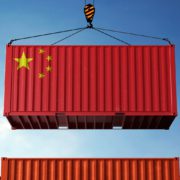
Duties, Taxes, and Tariffs in the Life Sciences Industry: What You Need to Know

The life sciences sector—spanning pharmaceuticals, medical devices, and biotechnology—is one of the most globally interconnected industries. Companies often source, manufacture, and distribute products across multiple borders, making it essential to understand the rules governing duties, taxes, and tariffs. These aren’t just financial considerations—they directly affect compliance, operational efficiency, and product availability.

At Euro-American Worldwide Logistics, we’ve been helping life sciences companies navigate these complexities for decades. Here’s a breakdown of what these terms mean and how they impact your supply chain.

Understanding the Basics

Duties

Duties are government-imposed taxes on imported or exported goods. For life sciences, this can apply to everything from raw pharmaceutical ingredients to finished medical devices and lab equipment. Rates vary based on product classification and country of origin.

Example: Importing active ingredients from India to the U.S. will carry a duty based on the correct Harmonized System (HS) code assigned to the product.

Taxes

In addition to duties, other taxes may be involved—such as Value Added Tax (VAT) or Goods and Services Tax (GST)—which can apply at different stages of the supply chain.

Example: A biotech firm in Europe selling a medical device to a U.S. hospital may still be subject to VAT depending on the jurisdictions involved.

Tariffs

Tariffs are a type of duty aimed at protecting local industries, regulating trade, or generating revenue. Recent trade disputes have made tariffs a major factor in life sciences supply chains.

Example: If the U.S. imposes tariffs on Chinese-made medical devices, the cost to import them rises—potentially impacting pricing for healthcare providers and patients.

Why They Matter in Life Sciences Logistics

Increased Costs

Duties and tariffs raise the landed cost of goods, influencing pricing, profitability, and competitiveness.

Example: A higher tariff on imported diagnostic equipment could force hospitals to pay more or delay upgrades.

Complex Compliance

Life sciences shipments must meet strict documentation and regulatory requirements, including proper classification and proof of compliance with local standards. Missing paperwork can result in penalties or delays.

Trade Agreement Impacts

Changes to trade agreements can either reduce or increase costs overnight. A favorable agreement can open new opportunities, while a dispute can create sudden headwinds.

Supply Chain Disruptions

Unexpected changes in tariff policy can delay critical shipments, cause shortages, or disrupt production schedules.

Strategies for Navigating Duties, Taxes, and Tariffs

  1. Stay Informed on Policy Changes: Regulations shift frequently. Partner with a reliable customs broker or compliance expert to anticipate and adapt quickly.
  2. Leverage Free Trade Agreements (FTAs): Understand which products qualify for preferential duty rates under existing agreements between the countries you operate in.
  3. Ensure Accurate Product Classification: Using the correct HS codes avoids overpayment, penalties, and compliance issues.
  4. Consider Tariff Engineering: Adjusting product design or sourcing to reduce tariff exposure can be a viable, legal strategy when done with expert guidance.
  5. Build Supply Chain Flexibility: Diversifying suppliers and transportation routes can help reduce reliance on a single country or port of entry.

What to Avoid

  • Misrepresenting Country of Origin: Routing goods through another country to mask their origin is illegal and can lead to fines and seizures.
  • Misclassification: Assigning the wrong HS code to pay lower duties carries significant legal and financial risks.
  • Undervaluation: Declaring a false lower value to reduce duty payments is considered tax fraud.

Final Takeaway

For life sciences companies, duties, taxes, and tariffs are more than accounting line items—they shape the competitiveness, compliance, and stability of your supply chain. By staying informed, using the right trade agreements, classifying products correctly, and working with a trusted logistics partner, you can minimize risk and keep your operations running smoothly.

Need help navigating complex customs and regulatory environments?

Euro-American Worldwide Logistics offers specialized, compliant, and efficient solutions for life sciences shippers. Let’s talk about how we can streamline your global operations.

August 25, 2025
https://www.eawlogistics.com/wp-content/uploads/2025/08/international-trade-collage.jpg 1000 1500 [email protected] https://www.eawlogistics.com/wp-content/uploads/2020/11/Euro-American-Worldwide-Logistics-Logo-horizontal-version.png [email protected]2025-08-25 10:07:432025-08-19 16:14:46Duties, Taxes, and Tariffs in the Life Sciences Industry: What You Need to Know
Page 6 of 15«‹45678›»

Recent News and Reports

  • pharmaceutical injectors for insulin or GLP-1s in production
    The Cold Storage Glut Is Real. Pharma-Grade Capacity Is Still Tight.August 20, 2026
  • insulated door leading into a cold storage room
    Why Euro-American Invests in the Future of Pharmaceutical LogisticsAugust 12, 2026
  • cargo ship being assisted by a tugboat while arriving in port
    Reshoring Pharma Does Not Eliminate Global Logistics. It Changes It.August 6, 2026
  • Lab Vacancy Is Rising. Compliant Storage Capacity Is Not.July 31, 2026
  • “FDA Registered” Is Not a Complete Import Readiness CheckJuly 27, 2026
  • Integrated Does Not Always Mean Accountable: How to Evaluate a Life Sciences Logistics NetworkJuly 22, 2026
  • The Brazil Tariff Is Not a Yes or No Question: A Practical Guide for Pharmaceutical and Medical Product ImportersJuly 17, 2026
  • FDA Import Compliance for Pharmaceutical and Biologics Importers: A Practical GuideJuly 13, 2026

Headquarters

375 Airport Drive
Worcester, Massachusetts 01602

Phone: 508-755-5050
Fax: 508-752-6020

Boston

1R Newbury Street, Suite 205G
Peabody, MA 01960

Phone: 617-567-3876
Fax: 617-567-9496

Services

  • International Logistics
  • cGMP Storage & Distribution
  • Global Trade Compliance

Legal Info

  • Quality Policy
  • Terms & Conditions
Copyright © 2026 - Euro-American Worldwide Logistics | Website by Cold Spring
  • Link to Facebook
  • Link to X
  • Link to Instagram
  • Link to Youtube
  • Link to LinkedIn
Scroll to top Scroll to top Scroll to top