• Link to Instagram
  • Link to Youtube
  • Link to LinkedIn
Euro-American Worldwide Logistics
  • About
    • News & Reports
    • Press Coverage
  • International Logistics
    • Air Freight
    • Ocean Freight
    • Trucking Freight
  • cGMP Storage & Distribution
  • Global Trade Compliance
  • Contact
  • Menu Menu

Archive for category: Special Report

Special Report

Special Area of Focus: France and U.S. Trade Relations

France continues to play a significant role in the global economy, ranking 7th in the world’s nominal GDP at $3.21 trillion. However, its current economic climate presents challenges. Growth for 2025 is expected to remain muted, with forecasts of just 0.6%–0.8%, while ongoing bond market struggles have recently contributed to political disruption and a reorganization of the French government.

U.S.–France Trade Dynamics

The United States and France maintain a strong trade relationship, though historically marked by a U.S. trade deficit with France and the broader European Union. In response, the U.S. imposed a 20% tariff on EU members, and details of future trade agreements remain under review. This climate of uncertainty is an important factor for companies managing cross-Atlantic supply chains.

Through July, France ranked as the 14th largest U.S. trading partner, while the U.S. was France’s 3rd largest partner. Key U.S. imports from France include:

  • Plasma, vaccines, and blood products
  • Medicines in individual doses
  • Aircraft engines and parts
  • Satellites and related equipment
  • Wine and distilled alcoholic beverages

In return, France imports a wide range of goods from the U.S., particularly:

  • Civilian aircraft and parts
  • Natural gas and LNG
  • Oil and petroleum products
  • Gold
  • Medical supplies

France’s Global Trade Network

France’s trade network is deeply tied to the broader EU market and beyond. Its top import partners include:

  • Germany – $60B
  • China – $38B
  • Netherlands – $33B
  • Italy – $30B
  • United States – $26B

For exports, France’s leading partners are:

  • Germany – $83.5B
  • Italy – $51.9B
  • United States – $51.0B
  • Belgium – $48.7B
  • Spain – $47.3B

This balance reflects France’s reliance on EU neighbors, while maintaining a critical trade relationship with the United States, particularly in pharmaceuticals, aerospace, and industrial sectors.

What This Means for Logistics

For businesses trading between the U.S. and France, tariffs and regulatory uncertainty mean that customs clearance, compliance, and cost forecasting are more important than ever. At the same time, industries such as pharmaceuticals, aerospace, and energy require precise logistics solutions, from temperature-controlled storage for biologics to secure handling of high-value industrial components.

Euro-American Worldwide Logistics is uniquely positioned to help companies manage these complexities. With GMP-compliant warehousing, ISO-certified facilities, and decades of international freight forwarding expertise, we provide the strategies and infrastructure needed to navigate evolving U.S.–France trade conditions while maintaining compliance and efficiency.

Contact Euro-American today to discuss how our international logistics solutions can support your trade with France and across the EU.


September 16, 2025
https://www.eawlogistics.com/wp-content/uploads/2025/09/french-and-us-flags.jpg 1000 1500 [email protected] https://www.eawlogistics.com/wp-content/uploads/2020/11/Euro-American-Worldwide-Logistics-Logo-horizontal-version.png [email protected]2025-09-16 16:06:442025-09-19 16:12:24Special Area of Focus: France and U.S. Trade Relations
Special Report

Expanding Cold Chain Logistics in Emerging Markets: Challenges and Opportunities

The global healthcare landscape is rapidly changing, with Latin America (LATAM), Asia-Pacific (APAC), and Africa representing some of the fastest-growing opportunities for pharmaceutical companies, biotechs, and CROs. These regions not only offer new avenues for growth but also the chance to expand access to critical treatments where they are most needed.

But entering these markets is far from simple. For temperature-sensitive products—whether vaccines, biologics, or raw materials—the lack of robust cold chain infrastructure, complex customs procedures, and local environmental factors create significant challenges. Without precision in cold chain logistics, product integrity, patient safety, and financial performance are all at risk.

The Cold Chain Challenges in Emerging Markets

  • Infrastructure Gaps: Many emerging markets lack stable power supplies, reliable refrigerated transport, and sufficient cold storage facilities. This creates added risk for 2-8°C and 15-25°C shipments, especially when delays occur.
  • Regulatory Complexity: Countries in LATAM, APAC, and Africa often have unique licensing, import, and distribution laws. Navigating these rules requires not only regulatory knowledge but also trusted in-country partnerships to ensure compliance.
  • Last-Mile Delivery: Remote sites and underdeveloped road systems can complicate the “final mile” of the journey. Success often depends on leveraging local transport networks, establishing micro-hubs, or implementing route optimization strategies.
  • Climate Extremes: Tropical heat, desert conditions, or humid environments pose unique risks. Even CRT (15-25°C) products can degrade quickly without strict monitoring and validated packaging.
  • Workforce Development: Cold chain management is only as strong as the people behind it. Skilled, trained local teams are critical for handling sensitive materials and ensuring compliance with cGMP and GDP standards.

Strategic Approaches to Success

Emerging market expansion requires foresight and adaptability:

  • Technology & Visibility: Real-time IoT monitoring, data analytics, and predictive tools help mitigate risks and ensure immediate intervention if temperatures deviate.
  • Risk Assessment: Evaluating infrastructure reliability, customs procedures, and political stability upfront allows companies to develop targeted contingency plans.
  • Investing in Capacity: Building partnerships with local stakeholders or co-investing in infrastructure ensures long-term sustainability.
  • Expert Partnerships: Working with an experienced logistics provider that specializes in life sciences—and understands both global standards and local challenges—is critical to maintaining product integrity across borders.

Euro-American’s Cold Chain Advantage

At Euro-American Worldwide Logistics, we provide validated 2-8°C and 15-25°C cGMP storage solutions for finished goods, raw materials, and critical supplies. With our ISO-9001 and CTPAT-certified facility in Massachusetts, we deliver the infrastructure, expertise, and reliability that life sciences companies need to protect their supply chains.

Our services include:

  • Temperature-controlled warehousing with real-time monitoring
  • Customs brokerage and global trade compliance expertise
  • End-to-end international logistics support spanning ocean, air, and final-mile delivery
  • Contingency planning for port delays, infrastructure challenges, and regulatory bottlenecks

We act as an extension of your team—ensuring your shipments are handled with precision and your products reach patients safely, no matter the destination.

Final Thoughts

Expanding into LATAM, APAC, and Africa holds enormous potential for life sciences companies. But the complexity of cold chain logistics in these regions requires specialized expertise and reliable infrastructure. By combining global standards with local adaptability, Euro-American helps clients overcome barriers and unlock the opportunities of emerging markets.

Ready to expand your reach with confidence? Contact Euro-American Worldwide Logistics today to discuss how we can support your temperature-sensitive supply chain in emerging markets.

September 11, 2025
https://www.eawlogistics.com/wp-content/uploads/2025/09/eawl-cold-storage-warehouse.jpg 1000 1500 [email protected] https://www.eawlogistics.com/wp-content/uploads/2020/11/Euro-American-Worldwide-Logistics-Logo-horizontal-version.png [email protected]2025-09-11 15:45:392025-09-19 16:20:15Expanding Cold Chain Logistics in Emerging Markets: Challenges and Opportunities
Special Report

Scandinavia’s Role in Global Trade: Opportunities for U.S. Importers and Exporters

When looking at global trade, Scandinavia may seem small in size, but its economic footprint tells another story. With a combined GDP of $1.7 trillion, Denmark, Sweden, and Norway collectively form a region with high-value industries and growing trade ties with the United States. For U.S. manufacturers and exporters, this region represents both a challenge and an opportunity—particularly in industries such as pharmaceuticals, energy, and advanced manufacturing.

Denmark: A Pharmaceutical and Industrial Powerhouse

Denmark, with a 2025 GDP projection of $496 billion and a population of 5.9 million, is a significant player in life sciences and industrial goods. The country’s economy is driven by pharmaceuticals, chemicals, and machinery, alongside specialized exports like wind turbines, furniture, pork, and even global consumer staples like LEGO.

The United States accounts for 17.3% of Denmark’s total exports, making it Denmark’s single most important market. This strong reliance underscores the importance of logistics solutions that support compliant, efficient, and timely flows between the two nations.

Sweden: Balancing Industry and Innovation

Sweden’s economy, with a GDP of $660 billion and a population of 10.5 million, continues to build on its reputation for innovation. Key exports to the United States include cars, pharmaceuticals and biotech products, lab reagents, refined petroleum, and machinery/electrical equipment.

With the U.S. making up about 9.1% of Sweden’s exports, this relationship—though smaller than Denmark’s—still represents a substantial trade lane that requires strong logistics support, particularly for regulated goods and high-value manufacturing inputs.

Norway: Energy Exports Dominate

Norway, with a GDP exceeding $550 billion and a population of 5.6 million, is a global leader in energy exports. Oil, natural gas, and related products dominate its trade profile. However, the United States represents only about 2.5% of Norway’s total exports, reflecting its broader focus on European and Asian markets.

Even so, U.S. energy importers and equipment manufacturers involved in offshore drilling, renewables, and energy infrastructure should monitor this corridor closely, as global energy markets continue to shift.

Why Scandinavia Matters for U.S. Trade Strategy

Despite its relatively small populations, Scandinavia’s high-value export sectors—pharmaceuticals, industrial goods, energy, and advanced manufacturing—make it an important partner for U.S. trade. For American companies, the region represents a source of specialized imports and a destination for high-tech, energy, and agricultural exports.

Key challenges for shippers include:

  • Ensuring compliance with EU and national trade rules
  • Managing temperature-sensitive pharma and biotech cargo
  • Coordinating multimodal shipments through Northern European ports and airports
  • Adapting to tariff and trade agreement shifts between the U.S. and European partners

How Euro-American Can Help

At Euro-American Worldwide Logistics, we provide tailored solutions for importers and exporters working in the U.S.–Scandinavia corridor. From cGMP-compliant pharmaceutical storage to customs brokerage, air and ocean freight forwarding, and final-mile delivery, we help ensure supply chains run smoothly across borders.

Whether you’re sourcing from Denmark’s life sciences industry, importing automotive components from Sweden, or coordinating energy-related shipments tied to Norway, our expertise keeps your cargo secure, compliant, and on schedule.

Contact Euro-American Worldwide Logistics today to learn how we can support your U.S.–Scandinavia trade strategy with end-to-end logistics solutions.

September 3, 2025
https://www.eawlogistics.com/wp-content/uploads/2025/09/stockholm-sweden.jpg 1000 1500 [email protected] https://www.eawlogistics.com/wp-content/uploads/2020/11/Euro-American-Worldwide-Logistics-Logo-horizontal-version.png [email protected]2025-09-03 15:36:252025-09-19 15:42:47Scandinavia’s Role in Global Trade: Opportunities for U.S. Importers and Exporters
Special Report

Duties, Taxes, and Tariffs in the Life Sciences Industry: What You Need to Know

The life sciences sector—spanning pharmaceuticals, medical devices, and biotechnology—is one of the most globally interconnected industries. Companies often source, manufacture, and distribute products across multiple borders, making it essential to understand the rules governing duties, taxes, and tariffs. These aren’t just financial considerations—they directly affect compliance, operational efficiency, and product availability.

At Euro-American Worldwide Logistics, we’ve been helping life sciences companies navigate these complexities for decades. Here’s a breakdown of what these terms mean and how they impact your supply chain.

Understanding the Basics

Duties

Duties are government-imposed taxes on imported or exported goods. For life sciences, this can apply to everything from raw pharmaceutical ingredients to finished medical devices and lab equipment. Rates vary based on product classification and country of origin.

Example: Importing active ingredients from India to the U.S. will carry a duty based on the correct Harmonized System (HS) code assigned to the product.

Taxes

In addition to duties, other taxes may be involved—such as Value Added Tax (VAT) or Goods and Services Tax (GST)—which can apply at different stages of the supply chain.

Example: A biotech firm in Europe selling a medical device to a U.S. hospital may still be subject to VAT depending on the jurisdictions involved.

Tariffs

Tariffs are a type of duty aimed at protecting local industries, regulating trade, or generating revenue. Recent trade disputes have made tariffs a major factor in life sciences supply chains.

Example: If the U.S. imposes tariffs on Chinese-made medical devices, the cost to import them rises—potentially impacting pricing for healthcare providers and patients.

Why They Matter in Life Sciences Logistics

Increased Costs

Duties and tariffs raise the landed cost of goods, influencing pricing, profitability, and competitiveness.

Example: A higher tariff on imported diagnostic equipment could force hospitals to pay more or delay upgrades.

Complex Compliance

Life sciences shipments must meet strict documentation and regulatory requirements, including proper classification and proof of compliance with local standards. Missing paperwork can result in penalties or delays.

Trade Agreement Impacts

Changes to trade agreements can either reduce or increase costs overnight. A favorable agreement can open new opportunities, while a dispute can create sudden headwinds.

Supply Chain Disruptions

Unexpected changes in tariff policy can delay critical shipments, cause shortages, or disrupt production schedules.

Strategies for Navigating Duties, Taxes, and Tariffs

  1. Stay Informed on Policy Changes: Regulations shift frequently. Partner with a reliable customs broker or compliance expert to anticipate and adapt quickly.
  2. Leverage Free Trade Agreements (FTAs): Understand which products qualify for preferential duty rates under existing agreements between the countries you operate in.
  3. Ensure Accurate Product Classification: Using the correct HS codes avoids overpayment, penalties, and compliance issues.
  4. Consider Tariff Engineering: Adjusting product design or sourcing to reduce tariff exposure can be a viable, legal strategy when done with expert guidance.
  5. Build Supply Chain Flexibility: Diversifying suppliers and transportation routes can help reduce reliance on a single country or port of entry.

What to Avoid

  • Misrepresenting Country of Origin: Routing goods through another country to mask their origin is illegal and can lead to fines and seizures.
  • Misclassification: Assigning the wrong HS code to pay lower duties carries significant legal and financial risks.
  • Undervaluation: Declaring a false lower value to reduce duty payments is considered tax fraud.

Final Takeaway

For life sciences companies, duties, taxes, and tariffs are more than accounting line items—they shape the competitiveness, compliance, and stability of your supply chain. By staying informed, using the right trade agreements, classifying products correctly, and working with a trusted logistics partner, you can minimize risk and keep your operations running smoothly.

Need help navigating complex customs and regulatory environments?

Euro-American Worldwide Logistics offers specialized, compliant, and efficient solutions for life sciences shippers. Let’s talk about how we can streamline your global operations.

August 25, 2025
https://www.eawlogistics.com/wp-content/uploads/2025/08/international-trade-collage.jpg 1000 1500 [email protected] https://www.eawlogistics.com/wp-content/uploads/2020/11/Euro-American-Worldwide-Logistics-Logo-horizontal-version.png [email protected]2025-08-25 10:07:432025-08-19 16:14:46Duties, Taxes, and Tariffs in the Life Sciences Industry: What You Need to Know
Special Report

Mastering Temperature-Controlled Pharma Logistics at Euro-American Worldwide Logistics

As pharmaceutical innovation accelerates, so do the demands on the supply chains that support it. Today’s life science companies require more than just “keeping things cold”—they need precision control across multiple validated temperature ranges to ensure product integrity from production to patient.

At Euro-American Worldwide Logistics, our validated 2°C–8°C and 15°C–25°C cGMP storage capabilities for finished goods, raw materials, and critical supplies are designed to meet the highest regulatory standards. We understand that different products demand different environments, and our infrastructure is built to protect them all.

Why Temperature Range Precision Matters

In life sciences, no two temperature bands are alike. While cryogenic and deep-frozen shipping dominate headlines, biologics, diagnostics, and many commercial-ready pharmaceuticals require controlled refrigerated or ambient environments.

Our facility supports:

  • Refrigerated (+2°C to +8°C): Ideal for vaccines, biologics, and temperature-sensitive APIs. Our cGMP storage ensures stability through every stage, with validated packaging options and real-time monitoring to prevent excursions.
  • Controlled Room Temperature (+15°C to +25°C): Perfect for oral solid dose products, diagnostic kits, and other “ambient” items that still require strict environmental controls. Our CRT areas are fully validated and monitored to prevent temperature spikes that can compromise product integrity.

Both ranges are managed under cGMP-compliant SOPs, with 24/7 security, ISO 9001 certification, and CTPAT-certified access control.

The Hidden Risk of Oversimplification

Too often, the logistics industry treats CRT storage as “low risk.” The truth is, products in this range are highly susceptible to environmental swings—especially during transloading, customs clearance, or last-mile delivery. At Euro-American, we validate every temperature-controlled process, whether it’s 2°C–8°C or 15°C–25°C, because patient safety depends on consistency.

Tailored Solutions from Door-to-Door

Our temperature-controlled pharma logistics extend far beyond storage:

  • Pre-qualified routes to mitigate risk during transportation.
  • Advanced packaging with extended-duration capabilities.
  • Real-time monitoring with alert-based escalation protocols.
  • Integrated global trade compliance to ensure smooth border crossings.

Located in Central Massachusetts, adjacent to Worcester Airport—and just 40 miles from Boston—we operate a 45,000 sq. ft. temperature-controlled facility purpose-built for regulated products. Whether moving goods domestically or internationally, our door-to-door control ensures that your cargo never leaves our oversight.

The Euro-American Advantage

  • Validated storage environments for 2°C–8°C and 15°C–25°C.
  • cGMP-compliant processes for pharmaceuticals, biologics, and critical materials.
  • CTPAT-certified facility with 24/7 monitoring.
  • Strategic location for rapid regional, national, and international distribution.

We know that in pharmaceutical logistics, every degree counts—and so does every handoff. That’s why Euro-American combines precise environmental control with proven global logistics expertise, ensuring your products arrive in perfect condition, every time.

Your products are more than cargo—they’re a promise to patients.

Let Euro-American protect that promise with temperature-controlled solutions designed for the life sciences. Contact us today!

August 19, 2025
https://www.eawlogistics.com/wp-content/uploads/2025/08/cold-storage-thermostat.jpg 1000 1500 [email protected] https://www.eawlogistics.com/wp-content/uploads/2020/11/Euro-American-Worldwide-Logistics-Logo-horizontal-version.png [email protected]2025-08-19 08:22:302025-08-19 16:16:26Mastering Temperature-Controlled Pharma Logistics at Euro-American Worldwide Logistics
Special Report

Precision in Motion: Why Logistics Can Make or Break Clinical Trials

In pharmaceutical development, clinical trials are the final proving ground before a therapy reaches the patients who need it. These trials are complex, high-stakes operations involving multiple sites, strict protocols, and immovable deadlines. Yet one factor often underestimated in its impact is logistics.

The Hidden Complexity Behind Every Trial

A single clinical trial can involve dozens of research sites across multiple countries. Investigational drugs, biologics, devices, and patient samples must be transported and stored under exact conditions, with meticulous documentation at each step.

A missed delivery, a temperature excursion, or a delay in customs clearance doesn’t just create inconvenience—it can compromise data integrity, delay approvals, and, in some cases, force trials to restart.

Time as a Critical Variable

Trial timelines are unforgiving. Materials must arrive precisely when needed, whether that means synchronizing shipments to remote research centers or coordinating last-mile deliveries for decentralized trials. Real-time visibility, proactive risk management, and experienced regulatory navigation are essential to keep materials moving on schedule.

Temperature Integrity and the Cold Chain

With biologics, vaccines, and advanced therapies now central to many trials, temperature control is often non-negotiable. Cold chain logistics—maintaining specified temperature ranges from warehouse to patient—has become a standard requirement. Any deviation risks rendering the product ineffective, which can jeopardize months or years of work.

Regulatory Precision

Global trials operate under a patchwork of regulations, including those from the FDA, EMA, and country-specific authorities. Every shipment must be traceable, every temperature record verifiable, and every handoff documented. Compliance isn’t just a legal obligation—it’s a safeguard for trial validity.

How Euro-American Supports Clinical Trial Success

Euro-American Worldwide Logistics offers validated 2°C–8°C and 15°C–25°C cGMP storage for finished goods, raw materials, and critical supplies—ensuring products maintain integrity throughout their lifecycle. Our experienced team handles temperature-sensitive and time-critical materials with full regulatory compliance, customs expertise, and secure chain-of-custody processes.

Whether your trial is local, national, or global, we provide the infrastructure, precision, and reliability needed to keep it on track.

To discuss your clinical trial logistics needs, contact us at 508-755-5050 or fill out our online form.

August 11, 2025
https://www.eawlogistics.com/wp-content/uploads/2025/08/pharma-sample.jpg 1000 1500 [email protected] https://www.eawlogistics.com/wp-content/uploads/2020/11/Euro-American-Worldwide-Logistics-Logo-horizontal-version.png [email protected]2025-08-11 15:54:472025-08-19 15:58:55Precision in Motion: Why Logistics Can Make or Break Clinical Trials
Special Report

Compliance in Life Science Logistics: Why It’s Non-Negotiable at Euro-American Worldwide Logistics

In the life sciences sector, precision is everything—not just in research and manufacturing, but across the entire logistics chain. With complex global supply networks supporting pharmaceuticals, biologics, APIs, diagnostics, and critical research materials, compliance isn’t simply a best practice—it’s a core business necessity.

At Euro-American Worldwide Logistics, our work with regulated products is built on one foundation: compliance first, every time.

The Hidden Cost of Non-Compliance

Some companies believe they can absorb fines or penalties when regulations are overlooked. The reality is far more damaging:

  • Shipment delays or destruction of time- and temperature-sensitive goods.
  • Clinical trial setbacks that can derail product launches and R&D timelines.
  • Loss of trust from customers, partners, and regulators—a harder cost to recover than any financial penalty.
  • Permanent consequences, such as blacklisting, loss of certifications, or exclusion from certain markets and trade lanes.

In the life sciences, one misstep can jeopardize years of work, millions in investment, and—most importantly—patient outcomes.

Logistics in Life Sciences Is Not “Just Logistics”

Every shipment we manage is treated as mission-critical. Compliance in our operation means:

  • GDP-compliant temperature control within our validated 2°C–8°C and 15°C–25°C cGMP storage environments.
  • Accurate, transparent customs documentation to ensure smooth cross-border movement.
  • Chain-of-custody integrity from receipt to final delivery.
  • Proactive risk assessment and mitigation strategies for every shipment.

We work closely with our clients to anticipate regulatory hurdles before they arise—ensuring uninterrupted supply chains and protecting both products and reputations.

Turning Compliance Into a Competitive Advantage

When selecting a logistics partner, the right questions aren’t just “How fast?” or “How cheap?” Instead, ask:

  • How do they respond to changing customs and trade regulations?
  • Can they demonstrate GDP compliance and cGMP processes?
  • Do they act as an extension of your compliance team, offering consultative support?

At Euro-American, the answer to each is “Yes.” We don’t cut corners—we build compliance into every step of the process, ensuring our clients meet all domestic and international requirements without delays or risks.

Educating and Supporting Our Clients

We see compliance not just as a service, but as a responsibility. That’s why we provide guidance on:

  • The full scope of costs beyond fines.
  • The operational and financial risks of delayed shipments.
  • The measurable ROI of a compliance-first logistics strategy.

Our goal is to keep our clients informed, protected, and ahead of the regulatory curve.

The Euro-American Commitment

With our ISO 9001-certified, CTPAT-certified facility in Central Massachusetts, adjacent to Worcester Airport, and our 45,000 sq. ft. validated storage space, Euro-American ensures life sciences companies can trust their products are handled safely, legally, and with full regulatory integrity.

Because in this industry, every shipment is high-stakes—and there is no room for error.

Your science is too important to risk. Partner with Euro-American Worldwide Logistics and ensure your life sciences supply chain is built on compliance, reliability, and trust.

August 5, 2025
https://www.eawlogistics.com/wp-content/uploads/2025/08/workers-at-cold-storage-warehouse.jpg 1000 1500 [email protected] https://www.eawlogistics.com/wp-content/uploads/2020/11/Euro-American-Worldwide-Logistics-Logo-horizontal-version.png [email protected]2025-08-05 15:46:452025-08-19 16:18:12Compliance in Life Science Logistics: Why It’s Non-Negotiable at Euro-American Worldwide Logistics
Special Report

When Air Freight Makes Sense: A Strategic Tool in Time-Sensitive Supply Chains

In today’s high-speed, precision-driven global economy, fast shipping isn’t just a luxury—it’s often a necessity. Whether you’re moving pharmaceuticals, components for just-in-time manufacturing, or high-value goods that can’t wait, air freight offers the kind of speed and control that other modes of transport can’t match. But it comes at a premium.

So when is air freight the right move?

Speed That Supports Strategy

Air freight is typically chosen for one key reason: time. When delays threaten production, product launches, or customer expectations, getting cargo in the air can preserve timelines and mitigate downstream disruption. For critical items, such as life sciences materials, aerospace components, or replacement parts, the cost of a delay often outweighs the cost of shipping.

Euro-American helps clients make informed decisions by aligning air freight solutions with business priorities. If speed equates to value—or helps avoid a costly shutdown—then air may be the most cost-effective choice despite the higher rate.

Security for Sensitive and High-Value Cargo

For sensitive cargo—be it biotech shipments, electronics, or mission-critical manufacturing goods—air freight offers greater security and reduced handling risk. Fewer handoffs, shorter time in transit, and tighter chain-of-custody controls reduce the potential for damage, theft, or exposure to environmental variables.

At Euro-American, we work with carefully vetted airline and ground partners and offer temperature monitoring, validated packaging solutions, and real-time visibility to safeguard high-value cargo from departure to final delivery.

When the Cost Is Justified

Air freight isn’t for every shipment—but it’s often the right choice under the following conditions:

  • Product value outweighs transport cost
  • Time-sensitive delivery prevents larger financial losses
  • Inventory holding costs can be reduced
  • Customer satisfaction or SLAs depend on rapid delivery

With increasing pressure to maintain leaner supply chains, many manufacturers are leveraging air freight to reduce warehousing needs and improve working capital. A few days saved in transit can translate into meaningful operational and financial gains.

Flexible Options with Euro-American

Euro-American offers both scheduled air freight services and expedited charter options for clients with critical, last-minute, or complex shipping needs. Whether it’s pharmaceutical cargo requiring temperature compliance, a tight turnaround on aerospace components, or a project shipment requiring hand-carry services, we tailor solutions to your risk profile and deadlines.

Final Thoughts

Air freight isn’t always about the fastest option—it’s about smart decision-making. If meeting a production milestone, fulfilling a high-value order, or maintaining supply chain continuity depends on timing, the return on investment from air freight often justifies the cost.

Looking for an air freight partner who understands urgency without compromising compliance?

Contact Euro-American Worldwide Logistics to discuss whether air freight is the right fit for your next high-stakes shipment. We’ll help you evaluate the variables, minimize risk, and keep your cargo moving on schedule.

July 21, 2025
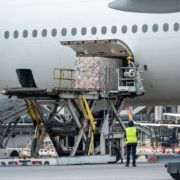
https://www.eawlogistics.com/wp-content/uploads/2025/07/air-freight-being-loaded.jpg 1000 1500 [email protected] https://www.eawlogistics.com/wp-content/uploads/2020/11/Euro-American-Worldwide-Logistics-Logo-horizontal-version.png [email protected]2025-07-21 07:00:172025-07-18 15:44:21When Air Freight Makes Sense: A Strategic Tool in Time-Sensitive Supply Chains
Special Report

North American Logistics Insight: Is a Construction Boom About to Reshape Freight Demand?

As we look ahead to late 2025 and beyond, the North American logistics industry may be bracing for a dramatic shift—one that could put pressure on freight markets, labor availability, and transportation costs. With new federal tax policy now in place, capital-intensive construction projects are moving off the drawing board and into active planning. At Euro-American Worldwide Logistics, we’re already helping clients prepare for what could be a major inflection point.

Tax Reform Fuels Nonresidential Construction Surge

The newly signed federal tax law includes a powerful incentive: businesses can now fully depreciate new industrial buildings and equipment upfront, as long as the assets are operational before 2030. Traditionally, depreciation occurs over 30–40 years—this accelerated timeline will likely front-load investment into 2026–2027.

Industry analysts estimate that $5 to $8 trillion in private capital has already been earmarked for datacenters, clean energy, and advanced manufacturing projects across the U.S. As these projects move toward groundbreaking, the ripple effects could begin as early as Q4 2025, putting strain on materials, skilled labor, and transportation networks.

What It Means for Shippers:

Shovel-ready projects will soon compete for trucking capacity, especially for heavy hauls, specialty equipment, and final-mile construction logistics. Early engagement with your 3PL partner is key to staying ahead of tightening availability.

Truckload Markets React to Port Volume Spike

In the short term, the West Coast freight surge is already rippling through the trucking sector. As of mid-July, load-to-truck ratios (reported by DAT) climbed to 7.43, the highest level in over two years—driven by a wave of inbound container volume through Southern California ports.

Though these inbound volumes may taper in August, truck availability remains tight in affected markets. While spot rates declined 1% week-over-week, and are only 0.5% higher year-over-year, the imbalance could return if domestic demand strengthens or port congestion persists.

Euro-American clients moving product inland from coastal entry points should expect spot market volatility through Q3 and prioritize advance booking for full truckload (FTL) freight.

Freight Pricing Index: By Mode

  • FTL (Full Truckload): June data shows FTL prices dropped 1.5% month-over-month, and are down 1.1% year-over-year, according to the U.S. Producer Price Index. This dip reflects recent overcapacity, but conditions may change rapidly as construction-related freight demand intensifies.
  • LTL (Less-Than-Truckload): Rates for LTL shipments rose 7.8% year-over-year in June, reflecting tighter lane-level capacity and modest volume increases. M/M growth of 0.9% suggests early momentum building in the LTL space.
  • Parcel / Small Pack: Express and e-commerce courier services surged 7.7% year-over-year, with 1.2% monthly growth in June. E-commerce volumes remain resilient, up 8.3% over the past year.

What This Means for 2025 Supply Chain Planning

With e-commerce thriving, LTL demand firming, and heavy industrial freight poised for a spike, shippers face a landscape that will be anything but static.

At Euro-American Worldwide Logistics, we’re preparing our clients to:

  • Secure dedicated trucking and final-mile capacity before rates rise.
  • Diversify modal strategies by balancing FTL, LTL, and intermodal freight depending on cargo profile and lead time.
  • Use bonded and GMP-compliant warehousing to absorb short-term supply fluctuations near major infrastructure corridors.
  • Stay agile by reforecasting transportation budgets with Q4 and 2026 freight demand in mind.

Let’s Build Smarter—Together

Whether you’re supporting an infrastructure rollout, scaling up e-commerce fulfillment, or navigating price shifts across freight markets, Euro-American brings decades of experience and a proactive mindset to your logistics strategy.

Reach out today to learn how we can support your transportation and warehousing goals through the rest of 2025 and into the construction-fueled years ahead.

July 15, 2025
https://www.eawlogistics.com/wp-content/uploads/2025/07/commercial-construction.jpg 1000 1500 [email protected] https://www.eawlogistics.com/wp-content/uploads/2020/11/Euro-American-Worldwide-Logistics-Logo-horizontal-version.png [email protected]2025-07-15 15:26:312025-07-18 15:35:00North American Logistics Insight: Is a Construction Boom About to Reshape Freight Demand?
Special Report

Brazil’s Growing Role in Global Trade

Brazil remains a pivotal player in international commerce, offering both opportunities and challenges for importers and exporters alike. As Latin America’s largest economy and the world’s 9th largest overall, Brazil’s influence in global supply chains continues to expand—even as its economy remains relatively insulated compared to its peers.

At Euro-American Worldwide Logistics, we monitor high-potential markets like Brazil to help our clients make smarter decisions across their trade and transportation networks.

Brazil by the Numbers

  • GDP: $2.18 trillion in 2024 (9th largest globally)
  • Foreign Trade Participation: ~34% of GDP (below average for similar economies)
  • Global Export Rank: 25th
  • Global Import Rank: 26th

This trade-to-GDP ratio signals that Brazil is still a relatively protected market with room to liberalize and expand foreign trade relationships—particularly for U.S. companies looking to deepen engagement.

U.S.–Brazil Trade Snapshot

The trade relationship between Brazil and the United States has shown steady momentum. In 2024:

  • Total Bilateral Trade: $92 billion
  • U.S. Exports to Brazil: $49.7 billion
  • U.S. Imports from Brazil: $42.3 billion
  • U.S. Trade Surplus: $7.4 billion

U.S. exports to Brazil rose by approximately 11.3% year-over-year, while imports from Brazil grew 8.3%, reflecting mutual demand and a recovering trade flow despite global disruptions.

For Euro-American clients navigating the U.S.–Brazil corridor, these figures underscore the potential to scale operations, diversify sourcing, and expand export channels.

What Brazil Sends to the World

Brazil’s exports are largely anchored in natural resources and agricultural goods:

  • Mineral Fuels & Oil: 17% of total exports
  • Oilseeds (including soybeans): 13%
  • Iron Ore and Other Ores: 10.4%
  • Meat (beef, poultry, pork): 7.3%
  • Sugar: 5.6%
  • Machinery & Computers: 3.9%
  • Other significant sectors: iron/steel, vehicles, coffee, tea, and agricultural byproducts

These exports reflect Brazil’s competitive advantage in raw materials and agribusiness—sectors that often require specialized logistics, including temperature control, origin documentation, and port-based handling expertise.

What Brazil Brings In

Brazil’s import profile is a mix of industrial inputs and high-tech equipment:

  • Petroleum & Derivatives: 15.3%
  • Machinery: 14.4%
  • Electrical Equipment: 12.0%
  • Vehicles: 7.8%
  • Fertilizers: 6.9%
  • Organic Chemicals & Pharmaceuticals: 10.5% combined
  • Plastics & Precision Instruments: 7.2% combined

These import trends highlight Brazil’s growing appetite for advanced manufacturing tools, production inputs, and life science products—categories that align closely with Euro-American’s logistics specializations.

Why This Matters for Euro-American Clients

If you’re shipping to or sourcing from Brazil, you need a logistics partner with:

  • Deep experience in navigating trade regulations
  • Proven track record in moving high-value or sensitive goods
  • Insight into emerging bilateral trends and port strategies

At Euro-American Worldwide Logistics, we offer full-service import/export support—including ocean, air, and customs brokerage—for clients working in or with Brazil. Whether you’re moving agri-commodities, medical-grade materials, or complex machinery, we’ll ensure your cargo moves compliantly, safely, and efficiently.

Let’s Talk

Thinking about expanding your footprint or looking to optimize existing lanes? Contact Euro-American to review your current routing strategy, evaluate customs risk, or build a region-specific logistics plan.

July 10, 2025
https://www.eawlogistics.com/wp-content/uploads/2025/07/brazil-map-and-flag.jpg 1000 1500 [email protected] https://www.eawlogistics.com/wp-content/uploads/2020/11/Euro-American-Worldwide-Logistics-Logo-horizontal-version.png [email protected]2025-07-10 14:59:232025-07-18 15:08:31Brazil’s Growing Role in Global Trade
Page 7 of 15«‹56789›»

Recent News and Reports

  • shipyard worker inspecting a cargo container
    The Connected 3PL: Why Warehouse, Transportation, and Customs Data Should Tell the Same StorySeptember 29, 2026
  • cargo plane being loaded
    Cold Storage Is a Facility. Cold Chain Is a Process.September 22, 2026
  • raw materials in barrels stored in a warehouse
    From Lab Bench to Commercial Shipment: When a Biotech Company Needs a Logistics StrategySeptember 14, 2026
  • silhouette of a logistics worker with a hardhat walking through a warehouse
    Before You Book the Freight: A Pre-Shipment FDA Readiness Checklist for Pharmaceutical ImportersSeptember 9, 2026
  • pharmaceutical injectors for insulin or GLP-1s in production
    The Cold Storage Glut Is Real. Pharma-Grade Capacity Is Still Tight.August 20, 2026
  • insulated door leading into a cold storage room
    Why Euro-American Invests in the Future of Pharmaceutical LogisticsAugust 12, 2026
  • cargo ship being assisted by a tugboat while arriving in port
    Reshoring Pharma Does Not Eliminate Global Logistics. It Changes It.August 6, 2026
  • Lab Vacancy Is Rising. Compliant Storage Capacity Is Not.July 31, 2026

Headquarters

375 Airport Drive
Worcester, Massachusetts 01602

Phone: 508-755-5050
Fax: 508-752-6020

Boston

1R Newbury Street, Suite 205G
Peabody, MA 01960

Phone: 617-567-3876
Fax: 617-567-9496

Services

  • International Logistics
  • cGMP Storage & Distribution
  • Global Trade Compliance

Legal Info

  • Quality Policy
  • Terms & Conditions
Copyright © 2026 - Euro-American Worldwide Logistics | Website by Cold Spring
  • Link to Instagram
  • Link to Youtube
  • Link to LinkedIn
Scroll to top Scroll to top Scroll to top