
Cold Chain Integrity in Pharmaceutical and Biotech Logistics
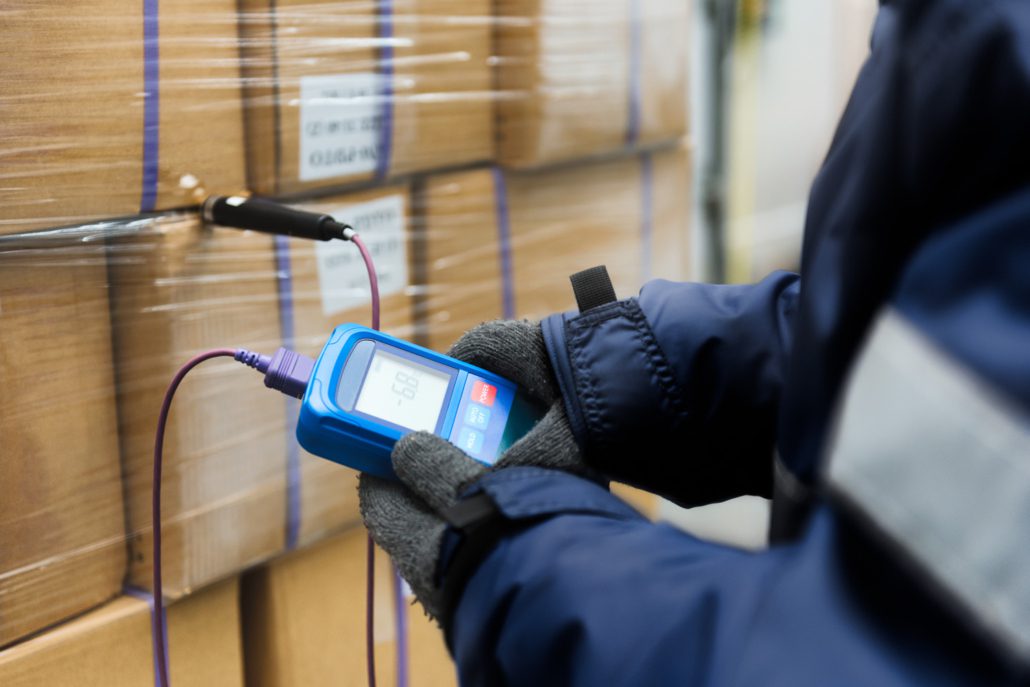
Maintaining a robust cold chain is critical for pharmaceutical and biotech supply chains. Many drugs, vaccines, and biologics must be kept within strict temperature ranges during storage and transit to preserve their efficacy. In fact, temperature-controlled logistics accounted for nearly 18% of biopharma logistics spending in 2020, reflecting the growing investment needed to meet these requirements (clinicaltrialsarena.com). This share has been rising as companies expand capacity for cold storage and specialized transport.
The High Stakes of Cold Chain Management
Failures in cold chain logistics can have costly and dangerous consequences. The World Health Organization (WHO) estimates that before COVID-19, up to 50% of vaccines were wasted globally each year due to lack of proper temperature control and logistics, amounting to potentially a billion doses lost annually (clinicaltrialsarena.com). More broadly, industry analyses indicate the pharmaceutical sector loses roughly $35 billion annually because of failures in temperature-controlled logistics (supplychainbrain.com). Products exposed to temperatures outside their prescribed range may become ineffective or unsafe, leading to financial losses and risks to patient health. These statistics underscore why rigorous cold chain management is non-negotiable for life science companies.
Quality issues from cold chain lapses not only harm patients but also erode trust and trigger regulatory actions. Drug manufacturers face lawsuits and recalls if medications are compromised. By maintaining Good Distribution Practice (GDP) standards and continuous monitoring, companies can mitigate these risks. As a result, pharmaceutical firms increasingly partner with specialized logistics providers who have the infrastructure and expertise to manage temperature-sensitive shipments end-to-end.
New Trends Driving Cold Chain Demand
Several emerging trends are further intensifying the need for reliable cold chain solutions. One major factor is the rise of biologics and advanced therapies. Cell and gene therapies (CGTs) often require ultra-cold storage (below –80°C), as they can have short half-lives and high sensitivity (clinicaltrialsarena.com). The CGT market is projected to surpass $81 billion by 2029 (clinicaltrialsarena.com), which means a significant volume of these therapies will need specialized freezing, packaging, and rapid transport to treatment centers. The recent rollout of mRNA COVID-19 vaccines, many of which required shipping at –70°C, spotlighted the challenges of distributing products at such extreme temperatures and prompted innovation in cold chain logistics.
At the same time, more traditional pharmaceuticals are also contributing to cold chain growth. For example, a new class of metabolic drugs (notably GLP-1 analogues for diabetes and weight management) must be kept between 2–8°C to remain effective (clinicaltrialsarena.com). Soaring demand for these therapies has increased production volumes, straining existing cold storage capacity. Overall, pharmaceutical cold chain shipments have been growing at roughly twice the rate of the pharma logistics market as a whole in recent years (pharmaceuticalcommerce.com), usually in the low double-digit percentages annually. Although growth tempered slightly in 2022 due to fewer new product approvals, analysts expect cold chain volumes to continue outpacing general pharma shipping as more temperature-sensitive biologics launch (pharmaceuticalcommerce.com).
Another factor is globalization of biotech manufacturing. Critical medicines and vaccines are now produced in diverse locations worldwide and shipped to global markets. Ensuring these products remain within temperature specifications across long international journeys – often involving air freight, multiple transfers, and varying climates – is a formidable logistics task. Specialized packaging and real-time monitoring technologies have become essential to manage these complexities.
Technologies and Best Practices for Cold Chain Logistics
Pharmaceutical companies and logistics providers are adopting advanced solutions to maintain cold chain integrity. Passive cooling systems like dry ice, phase-change gel packs, and liquid nitrogen containers are widely used for both frozen and refrigerated shipments (clinicaltrialsarena.com). These packaging solutions can keep contents within the required temperature range for extended periods – often 72 hours or more – and can be “recharged” with fresh coolant if delays occur (clinicaltrialsarena.com). Reusable container systems are also gaining popularity; they offer reliable thermal performance and reduce waste by allowing reconditioning and reuse over many shipping cycles.
In addition to better packaging, real-time monitoring and data logging have become standard best practices. Smart sensors traveling with a shipment can record temperature, humidity, light exposure, and location, transmitting data to control towers. If a temperature excursion or delay occurs, stakeholders are alerted immediately and can take corrective action (such as dispatching a replacement shipment or adjusting routes). This visibility is crucial, as it allows proactive intervention before products are irreparably compromised. Many companies now use centralized dashboards to track all in-transit cold chain shipments worldwide in real time, improving responsiveness.
Regulatory guidelines also shape cold chain practices. Authorities in the U.S., EU, and other regions enforce GDP guidelines that specify how temperature-sensitive medicines should be handled, transported, and stored. These include requirements for validated packaging, calibrated thermometers, backup power for refrigeration, and documented procedures for excursions. Compliance is audited, and non-conformance can result in penalties or license suspensions. Thus, life science manufacturers and distributors have a strong incentive to continuously train staff and invest in reliable cold chain systems.
Partnering to Protect Product Integrity
Given the high stakes and technical demands of cold chain logistics, many pharmaceutical and biotech companies choose to partner with experienced third-party logistics providers. A qualified logistics partner brings established cold chain infrastructure – from climate-controlled warehouses and freezers to specialized insulated trucks and containers – as well as expert personnel who understand the nuances of handling delicate biologic products. By outsourcing cold chain operations to a dedicated provider, pharma companies can focus on R&D and manufacturing while trusting that their products will reach patients safely.
Euro-American Worldwide Logistics (EAWL) is a proven leader in managing end-to-end cold chain solutions for life science clients. We maintain state-of-the-art temperature-controlled facilities and employ rigorous monitoring protocols to ensure every shipment remains within specification. Our team has experience shipping vaccines, biologics, clinical trial materials, and other sensitive products across the globe, navigating customs and climate challenges effectively. We also stay abreast of evolving technologies – from advanced insulation to IoT sensors – and continuously upgrade our systems to offer clients best-in-class service.
In an era when product integrity and patient safety are on the line, having the right logistics partner is essential. Euro-American Worldwide Logistics safeguards your temperature-sensitive supply chain with precision and care at every step. Contact us today to learn how our cold chain expertise can protect your high-value pharmaceuticals and biologics, ensuring they arrive potent and safe – because lives depend on it.
References
Clinical Trials Arena. (2023). Pharma cold chains: Major trends shaping the next decade. (Sponsored content by World Courier). Retrieved from Clinical Trials Arena.
clinicaltrialsarena.com
Pharmaceutical Commerce. (2023). The state of the pharma cold chain. Retrieved from Pharmaceutical Commerce.
pharmaceuticalcommerce.com
SupplyChainBrain. (2023). Pharma supply chain failure is a $35 billion problem. SupplyChainBrain Think Tank blog.
supplychainbrain.com
World Health Organization. (2017). 1 in 10 medical products in developing countries is substandard or falsified. WHO Press Release.
clinicaltrialsarena.com

