As we head into the second half of 2025, global supply chains find themselves at a crossroads. The remainder of the year will be shaped by a convergence of economic forces, geopolitical uncertainties, and logistical shifts that demand careful planning. Businesses that import, export, or transport goods must prepare for an environment that is both challenging and dynamic. In this outlook, we highlight the key supply chain trends for Q3–Q4 2025 – from inventory and demand swings to labor and capacity considerations – and how you can stay ahead of the curve.

Economic and Demand Landscape: A Delicate Balance

After a surprisingly strong first half, there are signs that economic momentum could moderate in late 2025. U.S. GDP growth in Q2 topped 3% (much higher than expected), buoyed by resilient consumer spending and a temporary surge in imports. Yet, underlying indicators hint at some cooling ahead. Retail sales growth has started to flatten, and manufacturing orders have become sluggish. Importantly, the Federal Reserve has signaled a shift in monetary policy – with multiple interest rate cuts likely by – which typically implies concern about future growth. A loosening labor market (initial job layoffs ticking up) could further soften consumer demand by year-end.

On the other hand, consumer finances entering Q3 remain relatively healthy. Wage growth (around 3.9%) is outpacing inflation, giving households more spending power for now. Many families are still catching up on services and travel after pandemic-era restrictions, which could sustain demand for certain goods (travel gear, hospitality supplies, etc.). This tug-of-war between robust baseline demand and emerging headwinds means forecasting demand for H2 is tricky. Companies should scenario-plan for both an “upside” case (consumer demand holds up, requiring more inventory) and a “downside” case (spending decelerates, leaving inventory levels comfortable).

Inventory levels will be a critical factor to watch. Notably, despite periods of over-ordering last year, most sectors are not overloaded with stock. In fact, many retailers and manufacturers report being “underweight” on inventory relative to sales. The total business inventory-to-sales ratio is roughly in line with historical norms, and segments like automotive and retail are 10–50% below pre-pandemic inventory benchmarks. This lean inventory situation is a double-edged sword for late 2025:

  • If consumer demand stays solid or surprises to the upside in Q3, companies could face stockouts and scramble to replenish. We might see a mini restocking wave – a positive for freight volumes – if back-to-school and early holiday sales outpace expectations. Given that inventories are so lean, even a modest uptick in demand could force urgent orders to factories and distribution centers.
  • Conversely, if demand softens appreciably (say, due to rising unemployment or global economic jitters), many firms will welcome their lighter inventories. It means less risk of the gluts and markdowns that plagued some industries in 2023. In this scenario, orders for new stock could slow in Q3–Q4, translating to weaker freight volumes and more slack in logistics networks.

At the moment, a cautious optimism prevails among many supply chain planners – they are carrying just enough inventory to meet current sales and can adjust quickly. But the margin for error is thin. One wildcard is the ongoing tariff situation: some U.S. importers intentionally pulled extra inventory into Q2 (ahead of potential tariff hikes later this year). This means certain warehouses may be flush now, but those goods are meant to cover future sales. By Q4, if tariffs indeed snap back higher, import volumes might drop and drawdowns of those stockpiles will begin. All told, expect an uneven inventory picture: lean overall, but with short-term bulges in certain categories (e.g. apparel and toys saw huge front-loading due to tariff fears, running 30–90% above last year’s import levels (warehousequote.com). Companies should closely monitor sell-through rates and be ready to either ramp up emergency replenishment (if sales spike) or throttle back orders (if a slowdown hits). In this fluid environment, demand forecasting and inventory agility are paramount.

Geopolitical and Trade Uncertainties

The geopolitical backdrop for late 2025 introduces significant uncertainty into global supply chains. Foremost on the radar is the situation in the Middle East. In mid-June, Israel’s surprise strikes on Iranian nuclear facilities – and Iran’s retaliatory missile fire – jolted markets and raised fears of a wider conflict. While an all-out war has so far been avoided, the conflict remains volatile. Diplomatic efforts are underway behind the scenes, and there was even talk of a preliminary ceasefire between the U.S. and Iranian-linked Houthi forces in Yemen , hinting at a desire to contain the fallout. Nonetheless, the risk of escalation persists through Q3–Q4. For supply chains, the primary concern is energy and transport route stability. We’ve already seen oil prices seesaw with each news update – a 13% intraday surge in Brent crude on June 13 when the attacks occurred, followed by volatile trading as traders assess whether the Strait of Hormuz might be threatened. Iran’s leadership has explicitly stated that closing Hormuz is on the table if its security is endangered. About one-fifth of global oil flows through this narrow chokepoint (reuters.com), so any disruption would send fuel costs for shippers soaring and potentially force reroutes for container ships that normally transit the Persian Gulf.

Even absent a closure, insurers and maritime authorities are advising vessels to steer clear of Iranian waters around Hormuz as a cautionary measure. Going into Q3, we expect heightened naval patrols by the U.S. and its allies in the region to keep shipping lanes open, but also perhaps periodic harassment of commercial ships by Iranian forces (as has occurred in past episodes of tension). Companies with supply lines through Middle Eastern ports (Jebel Ali, Dammam, etc.) or that rely on Gulf oil/petrochemical exports should have contingency plans: alternative sourcing for critical materials, readiness to use different transit routes (e.g. via the Red Sea and Suez Canal if Gulf routes become risky), and budget provisions for fuel price spikes. The Middle East isn’t the only flashpoint – the war in Ukraine continues, and while it is somewhat stalemated, it still poses risks to energy markets (European gas supply, etc.) and certain commodities like grains. And in Asia, U.S.–China strategic tensions remain high beyond just trade. Any incident in the Taiwan Strait, for example, could disrupt regional shipping and air routes. These low-probability but high-impact scenarios underline the need for resilience planning in Q3–Q4: dual sourcing, route flexibility, and insurance coverage for political risks are prudent moves.

Trade policy uncertainty is another factor clouding the H2 outlook. The U.S.–China tariff détente is scheduled to expire by mid-August. If negotiators do not extend or convert it into a more permanent agreement, we could see tariffs snap back to higher levels overnight. The recent deal fixed U.S. tariffs at 55% on Chinese goods and China’s at 10% , but remember, those are lower than the peak rates that were temporarily in effect earlier (some U.S. tariff lines hit 145% in April before the Geneva truce ). A lapse of the truce could mean not only returning to those punitive duties but possibly new ones if talks sour. Such an outcome in late Q3 would likely cause another steep drop in China–U.S. trade volumes heading into Q4 – adding to the downward pressure on trans-Pacific shipping demand and potentially leaving importers scrambling for non-Chinese sources for holiday inventory. Conversely, there is a chance that by Q4 we get positive trade news: the framework deal could be formally signed, extending the tariff relief, and China might further open its markets (Beijing’s recent removal of tariffs for dozens of developing nations is a sign of proactive trade diplomacy ). One optimistic scenario is that cooler heads prevail and the 55%/10% tariff structure holds through year-end, giving businesses some predictability. However, companies should not bank on it– keep an eye on July’s negotiations and prepare for a scenario where tariffs jump back up late in Q3. This may involve front-loading imports in July, adjusting pricing for Q4 deliveries, and informing customers of possible cost changes.

Other trade wrinkles include the legal battle over U.S. Section 232 tariffs. As noted earlier, a U.S. court ruling in May called into question the President’s authority to impose certain tariffs via national emergency (impacting the 10% “reciprocal” tariff and 20% anti-fentanyl tariff). By Q3 we might get a higher court’s decision. If the courts ultimately strike down those tariffs, it could suddenly eliminate a chunk of duties (benefiting importers and possibly boosting late-year imports as costs drop). Watch this space – it’s rare for tariffs to be removed so quickly, but judicial action could do just that. Meanwhile, Europe and the U.S. remain at odds over trade imbalances. The EU suffered export declines due to U.S. tariffs, and while there’s no open tariff war beyond what Trump has already levied, there’s underlying tension that could influence trade talks or regulatory actions (for instance, carbon border taxes or tech taxes that provoke responses). The bottom line is that the trade policy environment is unsettled. Businesses should stay nimble, lobby where possible (many industry coalitions are pushing for tariff exclusions or extensions of the truce), and in planning, bake in extra time and costs for the possibility of abrupt policy shifts in Q3–Q4.

Is your supply chain prepared for what’s next? At Euro-American Worldwide Logistics, we help businesses chart a steady course through uncertain waters. Whether it’s adjusting your freight plan for peak season, finding warehousing solutions, or navigating the latest trade regulations, our experts have you covered. Don’t go it alone this year. Contact Euro-American Worldwide Logistics today to discuss your Q3–Q4 logistics strategy. Let us put our global network and seasoned insight to work for you – so you can focus on growth while we handle the complexity. Reach out now and fortify your supply chain for a strong finish to 2025!
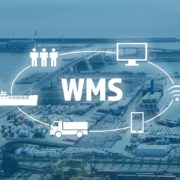

In today’s competitive logistics landscape, a Warehouse Management System (WMS) does far more than track inventory—it drives the efficiency, accuracy, and transparency that customers increasingly expect. For manufacturers, importers, and distributors, leveraging a WMS is not just about internal optimization; it’s about delivering a better end-to-end experience for clients and end users alike.

Below, we explore how a well-implemented WMS directly contributes to customer satisfaction and operational excellence.

Smarter, More Efficient Operations

A WMS simplifies complex warehousing tasks by automating key workflows—from inbound receipt to outbound shipping. By minimizing manual errors and streamlining product handling, Euro-American ensures your goods move through our facility quickly and accurately. This reliability reinforces your reputation with customers, who benefit from consistent and on-time deliveries.

Better Inventory Visibility

Having real-time visibility into inventory levels is essential for businesses that need to meet tight production or fulfillment timelines. Our WMS allows for precise stock tracking and replenishment, helping to avoid backorders and stockouts. Customers know the products they need are available and accounted for—building trust and reducing the chance of order disruptions.

Real-Time Data, Real-Time Confidence

With integrated data access, our clients can stay informed throughout every stage of the logistics process. Our WMS offers real-time insights into product location, order progress, and shipment readiness. This level of visibility enables proactive communication and accurate customer updates, which strengthens your service and brand credibility.

Faster, More Accurate Fulfillment

Order accuracy and speed are non-negotiables in life sciences and high-value product logistics. Our WMS supports optimized picking, packing, and shipping processes to reduce fulfillment times and eliminate costly errors. For customers, this means faster delivery, fewer returns, and a seamless experience from order to receipt.

Cost Savings with Long-Term Impact

An efficient WMS reduces unnecessary handling, lowers inventory discrepancies, and helps optimize labor across the warehouse. These savings translate into more competitive service pricing and a leaner supply chain—benefits that extend directly to customers in the form of lower costs and improved responsiveness.

Stronger Customer Support

Access to detailed inventory and order data gives our customer service team the ability to resolve issues quickly and effectively. Whether it’s tracking a shipment, verifying stock availability, or answering a time-sensitive request, we’re equipped to deliver responsive, informed support that strengthens client relationships.

Euro-American’s WMS Advantage

At Euro-American Worldwide Logistics, our state-of-the-art WMS is fully integrated across our GMP-compliant, ISO-9001 certified storage and distribution operations. We provide real-time inventory tracking, full audit trail visibility, and the system flexibility to support complex client requirements—especially in life sciences, pharmaceuticals, and specialty import/export.

Looking for a logistics partner with secure, transparent, and fully integrated warehousing?

Contact Euro-American Worldwide Logistics to learn how our WMS-enabled warehousing and distribution solutions can support your growth.

As the global economy adjusts to geopolitical shifts, changing trade policies, and evolving consumer behavior, logistics costs remain a key barometer for supply chain stability. In 2025, several price indices—ranging from truckload and parcel to warehousing—are revealing important trends that manufacturers and logistics leaders must navigate strategically.

Understanding Freight Rate Fluctuations

In the first quarter of 2025, U.S. truckload pricing (TL) saw a modest month-over-month (M/M) dip of 0.3%, while year-over-year (Y/Y) rates increased 1.5%—a subtle but notable signal of rising market demand. Less-than-truckload (LTL) rates climbed 0.7% M/M and remained up 6.1% Y/Y, reflecting tighter capacity following consolidation events like Yellow’s market exit.

Meanwhile, small parcel and express courier services—critical for biotech and healthcare distribution—showed a 1.2% M/M price drop but still stand 6.2% higher Y/Y. The continued growth of e-commerce, including direct-to-patient pharma deliveries, plays a significant role in sustaining parcel demand.

Warehousing Rates: A Continuing Climb

Warehousing rates rose 1.6% M/M and 7.0% Y/Y as of February 2025. As more manufacturers implement nearshoring strategies and carry additional safety stock to hedge against supply chain disruption, demand for secure, cGMP-compliant space is outpacing supply.

At Euro-American Worldwide Logistics, we offer a flexible solution. Our 40,000 sq. ft. Worcester facility provides temperature-controlled, cGMP-compliant warehousing for pharmaceutical, biotech, and high-value products. We help clients balance cost with quality—providing reliable storage solutions with transparent pricing and full inventory visibility.

Why Monitoring These Trends Matters

In today’s volatile environment, real-time insight into freight and storage pricing is essential. A lack of cost visibility can erode margins and delay product movement. Companies that track pricing data and build cost-contingent supply chain plans will be better positioned to handle disruptions—whether due to tariffs, capacity shifts, or economic pressure.

Euro-American’s Advantage

We’re more than a storage partner. With in-house Licensed Customs Brokers, a team of Certified Customs Specialists, and decades of experience, Euro-American supports your full logistics strategy—from port to patient. Whether you need smarter LTL planning, more efficient parcel execution, or real-world solutions for capacity challenges, our team is ready to help.

Let’s Tackle Your Logistics Costs Together

Contact Euro-American Worldwide Logistics today. We’ll help you optimize your freight and storage operations while keeping compliance, quality, and cost top of mind.

References

U.S. Bureau of Labor Statistics. (2025). Producer Price Index Data.

LogisticsPulse Monthly Briefing – April 2025.

Executive Summary

As global shipping patterns shift in response to economic, regulatory, and geopolitical factors, supply chain leaders must reassess their freight strategies. Ocean and air freight markets are displaying contradictory trends — ocean capacity remains stable, while air cargo pricing rises due to urgency-driven demand. For pharmaceutical and biotech manufacturers operating in a highly regulated space, adapting to these freight fluctuations is essential to avoid delays, stockouts, and compliance violations.

This white paper explores how logistics agility, cost visibility, and flexible transportation options can help companies mitigate risk and build a more resilient logistics strategy in 2025 and beyond.

Global Ocean Freight Trends: Stable Capacity, Shifting Demand

The April 2025 LogisticsPulse report highlights that ocean freight capacity remains balanced across all major trade lanes. However, pricing remains volatile, influenced by geopolitical unrest and rerouted traffic around the Red Sea. The Drewry World Container Index showed rates were down 25% year-over-year by mid-March, but this drop may be temporary as global capacity tightens heading into peak season.

Implication: Pharmaceutical and biotech firms relying on consistent maritime transport should secure space early and plan for contingencies, particularly for temperature-sensitive or high-value materials.

Air Freight: Costs Rise as Tariff Concerns Accelerate Shipments

Air cargo spot rates surged 8% year-over-year in Week 10 of 2025, while overall volume increased just 2%. This indicates strategic use of airfreight for critical or high-margin goods. Many U.S. importers are expediting inventory ahead of tariff implementation deadlines, contributing to the spike.

Implication: While airfreight offers speed and reliability, especially for biologics and clinical trial materials, the rising costs require better forecasting, route optimization, and alternative supplier planning.

Strategic Response: Building an Agile Freight Strategy

To stay ahead of these trends, manufacturers must:

  • Diversify Modes: Balance ocean and air freight based on lead time and value of goods.
  • Monitor Tariff Timelines: Understand how upcoming changes (e.g., China-linked port fees, reciprocal tariffs) could alter delivery costs.
  • Leverage Regional Hubs: Use bonded and temperature-controlled storage near U.S. ports to streamline customs clearance and reduce delivery times.
  • Use Real-Time Visibility Tools: Track cargo movement and environmental conditions to ensure compliance, especially for temperature-controlled goods.

How Euro-American Helps Navigate the Freight Landscape

At Euro-American Worldwide Logistics, we provide clients in the life sciences, pharmaceutical, and biotech industries with tailored multimodal transportation solutions, bonded warehouse facilities, and certified Customs Brokerage services. Our deep expertise and 24/7 monitoring ensure your cargo remains compliant, secure, and on schedule.

Our Worcester facility near Boston provides cGMP-compliant warehousing, while our in-house brokerage team manages global documentation, duty classification, and tariff advisory with precision.

Let’s Talk About Your Freight Strategy

Don’t let volatile shipping markets derail your operations. Contact Euro-American Worldwide Logistics to discuss how we can improve cost control, customs compliance, and freight reliability across your global supply chain.

References

Drewry World Container Index. (2025, March). Weekly container shipping report.

LogisticsPulse. (2025, April). Monthly Briefing. Retrieved from logisticsplus.com

Executive Summary

The pharmaceutical cold chain is undergoing rapid transformation in 2025. With the rise of biologics, mRNA vaccines, and precision therapies, demand is surging for more sophisticated and scalable cold storage solutions. At the same time, regulatory bodies are enforcing stricter storage validation and temperature monitoring protocols across the entire product lifecycle. This white paper explores the latest innovations in pharmaceutical cold storage, from modular ultra-cold capacity to intelligent temperature monitoring systems, and explains how Euro-American is investing in the future to support the evolving needs of life sciences customers.

The Cold Chain Gets Colder – and Smarter

Until recently, most cold chain strategies revolved around maintaining 2–8°C refrigeration. Today, many biologic products and gene-based therapies require -20°C, -40°C, or even -80°C conditions to preserve molecular integrity. Meanwhile, global supply chains are more complex, increasing the risk of temperature excursions during transit or warehousing.
To meet these challenges, logistics providers and manufacturers alike are turning to smart, tech-enabled cold chain infrastructure, including:

  • IoT-connected storage units with real-time monitoring
  • Automated cold storage systems with controlled access and redundancy
  • Smart packaging that logs temperature history from manufacturer to patient
  • Scalable modular freezer units to accommodate shifting demand

Industry Shifts Fueling Cold Storage Evolution

  1. Biologics Growth: Over 40% of newly approved drugs in 2024 were biologics, many of which require cold or ultra-cold storage.
  2. Global Distribution Needs: COVID-era infrastructure has expanded international cold chain expectations, especially in emerging markets.
  3. Stricter Compliance: Regulatory bodies like the FDA and EMA now expect full data visibility across the storage and transit journey.
  4. Pressure for Agility: CDMOs and pharmaceutical manufacturers are increasingly outsourcing logistics—but expect partners to adapt quickly to fluctuating volumes.

The New Standards in Cold Storage

Euro-American recognizes that “standard cold storage” is no longer sufficient. Life sciences clients now demand:

  • Multi-temperature zones (e.g., 2–8°C, -20°C, -80°C, cryogenic LN2 environments)
  • 24/7 redundant power systems and disaster recovery protocols
  • Validated WMS platforms to manage GMP lot control, expiry tracking, and recall readiness
  • Chain of custody documentation integrated with your QMS or ERP system
  • Real-time dashboards with remote access and excursion alerts

Cold Chain Integration with Broader Logistics Strategy

Effective cold storage doesn’t end at the warehouse door. Euro-American’s strategy integrates cold storage into a full-service pharma logistics plan:

  • Direct-to-site coordination to reduce intermediate stops and risk exposure
  • Customs-prepared documentation to speed up border crossing for temperature-sensitive cargo
  • Time-definite delivery windows to minimize dwell time and product warming
  • Seamless handoffs to final-mile carriers with validated thermal transport assets

Euro-American’s Cold Storage Commitment

With decades of expertise in pharmaceutical logistics, Euro-American’s facilities are built to meet the next decade’s temperature control challenges:

  • Dedicated cGMP temperature-controlled spaces in Massachusetts
  • Qualified ultra-cold storage units with backup generators and environmental alarms
  • Integrated WMS with API options for real-time client access
  • On-site QA personnel ensuring documentation, calibration, and CAPA oversight
  • Temperature-mapped zones and excursion logs available for audits

Conclusion

As pharmaceutical development trends toward fragile, temperature-sensitive therapies, logistics providers must evolve beyond simple refrigeration. Euro-American is investing in future-ready cold chain infrastructure—smart, scalable, validated—to ensure every biologic, vaccine, and advanced therapy remains safe and effective from storage through to final delivery. Contact us today!

References

IQVIA. (2025). Global Trends in Biologics and Advanced Therapies.

U.S. Food and Drug Administration. (2024). Guidance for Industry: Storage and Handling of Biologic Products.

Biopharma Logistics Forum. (2025). Cold Chain 2.0: Technology and Capacity Trends.

Pharmaceutical Commerce. (2025). Cold Storage Infrastructure: Scaling Up for Biotech.

EMA. (2024). Good Distribution Practice (GDP) Guidelines – Temperature-Sensitive Medicines.

Executive Summary

In 2025, pharmaceutical logistics faces an increasingly complex customs environment. With evolving regulations, shifting tariffs, and heightened enforcement from agencies like U.S. Customs and Border Protection (CBP), efficient, error-free customs clearance has never been more vital. For pharmaceutical shippers—especially those moving high-value, time- or temperature-sensitive goods—delays at borders can mean product loss, compliance violations, or missed patient deliveries. This white paper explores how next-generation customs brokerage practices are transforming pharma supply chains by improving speed, transparency, and compliance through automation, digital tools, and expert-driven support.

The Evolving Customs Landscape in 2025

Pharma shipments are under a microscope. Amid ongoing global trade realignments—including expanded tariff structures, post-pandemic enforcement backlogs, and new regulatory frameworks—CBP and international customs agencies have intensified their scrutiny of imports and exports. Audits and penalties for compliance lapses are rising, and pharma cargo is increasingly flagged for thorough review.

In addition, regulations governing controlled substances, biologics, APIs (active pharmaceutical ingredients), and investigational drugs are tightening. For importers and exporters in the life sciences sector, navigating these regulations requires both legal expertise and logistical agility.

Key Challenges Facing Pharmaceutical Shippers

  1. Stringent Documentation Requirements: Errors in HS codes, certificates of origin, or FDA documentation can stall critical cargo.
  2. Port Congestion & Inspection Delays: CBP’s targeting algorithms and random inspections can cause costly delays.
  3. Limited Visibility: Many companies lack end-to-end transparency between customs clearance and freight movements.
  4. Risk of Non-Compliance Fines: Even minor documentation mistakes or licensing oversights can trigger financial penalties or cargo seizures.

The Role of Next-Gen Customs Brokerage

Modern customs brokerage firms are leveraging automation, AI, and integrated platforms to manage complexity and reduce risk. Key innovations include:

  • AI-Enhanced Document Review: Natural language processing tools can pre-screen documents for missing or incorrect data.
  • Automated Tariff Classification Tools: Machine learning algorithms suggest accurate HS codes based on product specs and regulatory data.
  • Customs Data Integration: Leading brokers now integrate with a client’s ERP or TMS to streamline entries, flag risk areas, and sync with compliance data.
  • Proactive Compliance Monitoring: Real-time dashboards track tariff shifts, restricted party lists, and changing local import/export rules.

Strategic Approaches for Life Sciences Companies

  1. Partner with a Broker Specializing in Pharma: A generalist customs broker may not understand FDA regulations, cold chain requirements, or DSCSA tracking.
  2. Digitize and Centralize Documentation: Implement structured digital workflows for certificates, lab results, SDS sheets, and packaging data.
  3. Leverage Pre-Arrival Review Systems (PARS) and Entry Visibility Tools: Stay ahead of inspections and improve clearance times with advance filings.
  4. Maintain a Customs Audit Trail: Ensure every shipment has a full compliance history and automated recordkeeping to satisfy audits.

How Euro-American Delivers a Competitive Edge

At Euro-American Worldwide Logistics, our customs brokerage services are purpose-built for the complexities of pharmaceutical and biotech logistics. We provide:

  • In-house licensed brokers with specialized knowledge of FDA, USDA, and DEA regulations
  • Seamless integration with cGMP storage and transportation services
  • Pre-clearance strategies and cross-border planning for expedited delivery
  • 24/7 clearance monitoring and real-time visibility tools
  • Dedicated support for clinical trial shipments and special permits

Our client partners benefit from reduced delays, proactive risk management, and enhanced compliance—all with the expertise to navigate evolving regulatory demands.

Conclusion

As global trade dynamics continue to shift, life sciences companies must modernize their approach to customs brokerage. By adopting digital-first, pharma-specific strategies and partnering with a knowledgeable, full-service logistics provider like Euro-American, shippers can gain speed, assurance, and control across every customs checkpoint.

References

CBP. (2025). Operational Statistics: Enforcement Actions Q1 2025. U.S. Customs and Border Protection.

FDA. (2024). Importing Human Drugs into the United States. U.S. Food and Drug Administration.

WCO. (2025). Harmonized System Update: Pharmaceuticals and Biologics. World Customs Organization.

Armstrong & Associates. (2025). 3PL Market Report – Regulatory Disruption and Logistics Innovation.

Journal of Commerce. (2025). Pharma Supply Chains Face Audit Surge at U.S. Ports.

Executive Overview

North American freight markets are entering a dynamic phase as 2025 unfolds. Full Truckload (FTL), Less-Than-Truckload (LTL), and parcel shipping trends continue to shift in response to upstream tariff strategies, forward purchasing, and uneven economic signals. Businesses across manufacturing, pharma, and biotech sectors must adapt to the evolving cost landscape—balancing risk, freight spend, and service expectations.

At Euro-American Worldwide Logistics, we’re seeing firsthand how clients are reevaluating inventory positions and delivery schedules to get ahead of inflationary spikes or tariff shocks. Our 24/7 coordination team and licensed Customs Brokers help importers and manufacturers respond in real time to these pricing trends—ensuring cost-efficient moves and compliance through every leg of the journey.

FTL and LTL Freight Pricing Update

According to March 2025 Producer Price Index data:

  • FTL Rates: Rose by 1.6% month-over-month (up 5.6% year-over-year), reversing a 1% decline from February.
  • LTL Rates: Dipped slightly by 0.1% month-over-month but climbed 5.5% year-over-year, a sign that carriers remain cautiously optimistic about demand capacity.

Much of this activity has been attributed to front-loaded shipments, as procurement teams moved orders ahead of the April 2nd tariff implementation. This early surge in volume may create softer demand through late Q2, depending on how inventory backlogs normalize.

Parcel and Small Package Trends

E-commerce fulfillment saw mixed signals:

  • Parcel/Small Pack Rates: Rose by 6.3% year-over-year, reflecting peak activity—but saw a 0.3% decline month-over-month in March.
  • E-commerce Sales: Grew by 4.8% year-over-year, slowing from prior double-digit averages, with speculation that de minimis tariff policy shifts may be impacting consumer behavior.

For temperature-controlled parcels—especially within pharma logistics—Euro-American is actively advising clients on alternative routings and capacity pooling to prevent downstream cost escalations. In some cases, that means consolidating shipments at our GMP facilities to improve cube utilization or split-delivery planning across regional networks.

Strategic Considerations for 2025

  • Avoid Over-Commitment: Businesses relying on fixed-rate FTL contracts should reassess agreements that don’t account for tariff-based volatility.
  • Explore Multimodal Solutions: With LTL showing steadier pricing patterns, hybrid models (FTL + LTL + final-mile parcel) may offer better cost control.
  • Engage Trade Experts Early: From harmonized tariff code reviews to new duty projections, Euro-American’s in-house team of licensed Customs Brokers helps clients navigate classification risk, origin audits, and shipment declarations.

Call to Action

In a landscape where freight and regulatory risk are moving targets, agility matters. Let Euro-American Worldwide Logistics help you build smarter transportation models, stay compliant, and find cost-effective ways to deliver—even when the rules change mid-route.
Contact us today to speak with a logistics advisor or licensed Customs Broker about your FTL, LTL, or parcel strategy for the second half of 2025.

References

Logistics Plus. (2025, April). LogisticsPulse Monthly Briefing: April 2025. Retrieved from logisticsplus.com

U.S. Bureau of Labor Statistics. (2025). Producer Price Index (PCU484121484121; PCU4841224841221; PCU492110492110201). Retrieved from bls.gov

Proposed Port Fees on Chinese Vessels Under Review

The U.S. Trade Representative has proposed imposing fees of up to $1.5 million per port call on vessels built in China or operated by Chinese entities. This initiative aims to bolster domestic shipbuilding and reduce reliance on Chinese maritime assets. However, the proposal has met with significant opposition from various sectors. (reuters.com)

  • Agricultural Impact: U.S. farmers express concern that increased shipping costs could hinder exports of commodities like wheat, corn, and soybeans, affecting their competitiveness in global markets (financialtimes.com)
  • Maritime Industry Response: Executives warn that such fees could disrupt supply chains, elevate operational costs for U.S. ship operators, and potentially lead to job losses within the maritime sector (wsj.com)
  • Legislative Debate: Lawmakers and industry representatives are engaged in discussions, with hearings scheduled to address the potential economic ramifications of the proposed fees (scmp.com)

Escalating Competition for Raw Materials

Analysts predict that raw material scarcity will be a predominant concern in supply chain management over the next five years. Challenges are evident in sectors like rare earth elements and copper:​

  • Rare Earth Elements: China’s dominance in rare-earth refining has left the U.S. dependent on Chinese processing capabilities, highlighting vulnerabilities in securing these critical materials (wsj.com)
  • Copper Prices: Copper prices have surged by over 22% year-to-date, reflecting increased demand and supply constraints. Domestic sources exist, but U.S. firms seek legislative protections against foreign dumping practices that depress prices and undermine local production.​

Freight Pricing Trends

Recent data from the Producer Price Index (PPI) reveals mixed trends in freight pricing:

  • Full Truckload (FTL): February saw a slight month-over-month decrease of 0.3%, with a year-over-year increase of 1.5%.​
  • Less-Than-Truckload (LTL): Prices rose by 0.7% month-over-month in February and experienced a significant year-over-year increase of 6.1%. This trend may indicate tightening capacity within the industry ​(arxiv.org).
  • Parcel/Small Package Services: While experiencing a 1.2% month-over-month decline in February, year-over-year prices have surged by 6.2%, influenced by a 6.5% increase in e-commerce sales during the same period.​

Conclusion

The North American supply chain landscape is navigating complex challenges, from proposed regulatory changes affecting maritime operations to intensifying competition for essential raw materials. Stakeholders must remain vigilant and adaptable to these evolving dynamics to maintain resilience and competitiveness in the market.​

Whether you need a comprehensive cross-border logistics plan or targeted advice on a specific customs issue, our team is here to help you navigate the path forward. In turbulent trade waters, having an experienced logistics partner is invaluable – and Euro-American Worldwide Logistics is proud to be that dependable partner for companies across industries. Together, we can mitigate the challenges of today’s tariffs and position your supply chain for success, no matter what changes tomorrow may bring. Contact us today!

The recent proposal by the U.S. administration to impose substantial fees on China-built vessels docking at American ports has introduced significant complexities for the manufacturing sector. These fees, potentially reaching up to $3 million per port call, aim to bolster domestic shipbuilding but have raised concerns about unintended consequences for U.S. industries reliant on international shipping (reuters.com).

Implications for Manufacturers

Manufacturers depend heavily on efficient and cost-effective shipping solutions to maintain seamless supply chains. The introduction of these port fees could lead to increased operational costs, potential delays, and disruptions in the availability of shipping options. Such challenges necessitate proactive strategies to mitigate adverse impacts on production schedules and delivery commitments.​

Euro-American Worldwide Logistics: Your Partner in Navigating Trade Challenges

At Euro-American Worldwide Logistics, we specialize in providing comprehensive logistics solutions tailored to the unique needs of manufacturers. Our expertise encompasses:​

  • Customs Brokerage Services: As a licensed U.S. Customs Brokerage, we offer expert guidance on importing goods into the U.S., ensuring compliance with evolving trade regulations and minimizing the risk of delays or penalties. ​Euro-American Worldwide Logistics
  • Global Trade Compliance: Our team stays abreast of international trade policies, providing clients with up-to-date information and strategic advice to navigate tariff changes and trade barriers effectively.​
  • International Logistics: We manage air and ocean freight services, coordinating with a network of carriers to offer flexible and reliable shipping options that adapt to the dynamic global trade environment. ​

Strategic Approaches to Mitigate Tariff Impacts

To address the challenges posed by the proposed port fees, manufacturers can consider the following strategies:

  1. Diversify Shipping Routes and Partners: Exploring alternative shipping lanes and collaborating with carriers less affected by the tariffs can help maintain supply chain continuity.​
  2. Advance Planning and Scheduling: Proactively adjusting production and shipping schedules to account for potential delays ensures timely delivery and customer satisfaction.​
  3. Leverage Expert Consultation: Partnering with experienced logistics providers like Euro-American Worldwide Logistics offers access to specialized knowledge and resources, facilitating informed decision-making and strategic planning.​

Euro-American Worldwide Logistics is committed to supporting manufacturers through these changes, offering tailored solutions that ensure resilience and competitiveness in the global market.​

For personalized assistance and to learn more about our services, please contact Euro-American Worldwide Logistics. Our team is ready to help you navigate the complexities of today’s trade environment.

Q1 GDP Presents Mixed Signals

The Atlanta Federal Reserve’s GDPNow model has shown fluctuations in its first-quarter 2025 real GDP growth estimates. On March 3, the projection dropped to -2.8%, down from -1.5% on February 28. By March 18, the estimate had improved slightly to -1.8% . These variations are partly due to record gold imports affecting the trade balance. Despite these shifts, core economic indicators such as consumer spending and both residential and nonresidential investments continue to show positive trends. However, it’s essential to monitor areas of unexpected weakness, particularly those influenced by market sentiment and tariff-related concerns (Federal Reserve Bank of Atlanta).

Impending Reciprocal Tariffs: Dual Implications

Starting April 2, the U.S. plans to implement reciprocal tariffs on nations with higher tariff rates on American products. This policy could lead to two potential outcomes:​

  • Positive Scenario: If other countries reduce their tariffs to align with U.S. rates, American exports may become more competitively priced, potentially boosting export volumes.​
  • Negative Scenario: Conversely, if nations choose not to adjust their tariffs and the U.S. imposes matching rates, import prices could rise, affecting domestic costs and supply chains.​

The actual impact will depend on the negotiations leading up to the implementation date.​

LogisticsPULSE Global Logistics Index (GLI) Update

In February, the LogisticsPULSE Global Logistics Index (GLI) registered at 54.6, a decrease from January’s 55.8. Despite this 2.0% month-over-month decline, the index remains in expansion territory and continues to exceed the long-term trendline. Year-over-year, the GLI experienced a 1.8% reduction, compared to a 2.5% increase observed in the previous month. The GLI evaluates transportation demand using 22 global economic metrics, drawing upon two decades of data collection.​

Conclusion

As the supply chain and logistics sectors navigate these evolving economic indicators and policy changes, staying informed and adaptable is crucial. Stakeholders should closely monitor developments related to GDP fluctuations, tariff negotiations, and global logistics performance to make strategic decisions in the coming months.​

Whether you need a comprehensive cross-border logistics plan or targeted advice on a specific customs issue, our team is here to help you navigate the path forward. In turbulent trade waters, having an experienced logistics partner is invaluable – and Euro-American Worldwide Logistics is proud to be that dependable partner for companies across industries. Together, we can mitigate the challenges of today’s tariffs and position your supply chain for success, no matter what changes tomorrow may bring. Contact us today!