
Nearshoring in Pharma Supply Chains: Can the U.S. Reduce Dependence on Overseas Manufacturing?
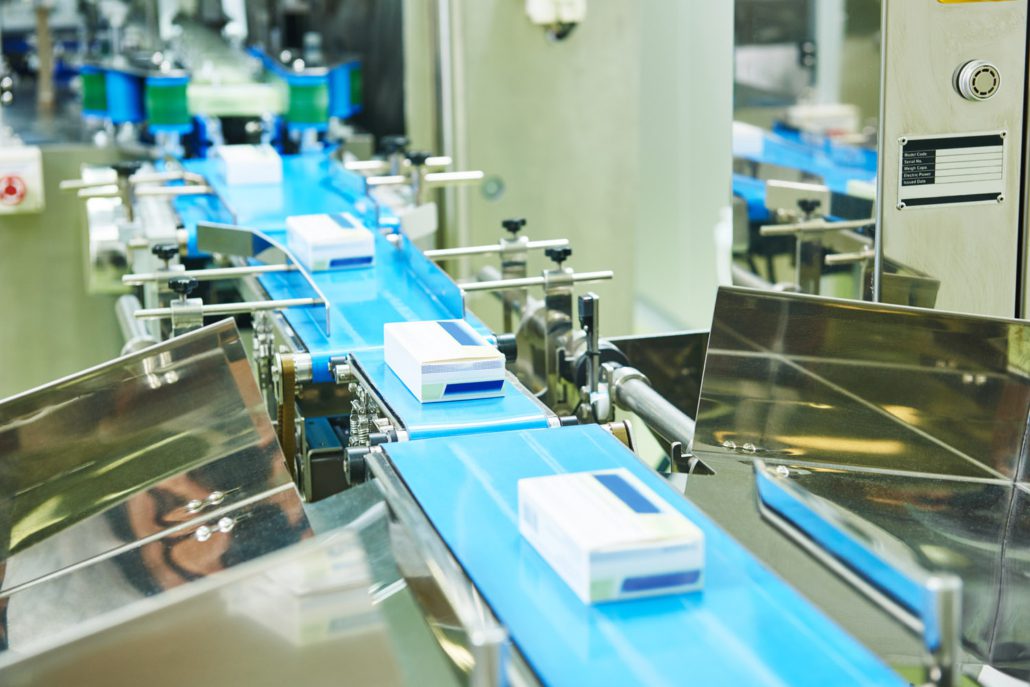
The COVID-19 pandemic and global disruptions have exposed the vulnerabilities of pharmaceutical supply chains that rely heavily on overseas manufacturing. In response, many in the industry and government are exploring nearshoring – shifting production closer to the U.S. – to reduce dependence on countries like China and India. This section examines the trend toward nearshoring in pharma, government incentives and cost factors, challenges to implementation, and case studies illustrating efforts to localize production.
Shifting Production Closer to Home
For decades, American pharmaceutical companies have offshored manufacturing of active pharmaceutical ingredients (APIs) and generic drugs to lower-cost countries. As a result, the U.S. today depends on just a few countries for the majority of its drug supply. Over 60% of APIs for U.S. medicines come from India and China, with India alone supplying nearly half (wilsoncenter.org). Overall, an estimated 77% of key pharmaceutical ingredients used in the U.S. are sourced overseas, including a significant share from China (smith.senate.gov). This concentration has created critical choke points: if a single foreign plant shuts down or if geopolitical tensions rise, U.S. hospitals and patients can face drug shortages.
Recent health crises have highlighted these risks. The pandemic, along with other disruptions, “awakened the pharma industry to the dangers of relying too heavily on suppliers located thousands of miles away” (fullavantenews.com). There is growing consensus that diversifying and regionalizing the supply base is crucial for national health security. Nearshoring – moving manufacturing to the U.S. or nearby countries – is seen as a solution to shorten supply lines and gain more control. For example, Puerto Rico (a U.S. territory) is re-emerging as a pharma manufacturing hub with strong federal support, and as of 2020, 12 of the 20 largest drugmakers have operations on the island (sdcexec.com). Likewise, partnerships with Mexico are being considered, taking advantage of existing industrial capacity and proximity (wilsoncenter.org).
Government Incentives and Cost Considerations
Rebuilding pharmaceutical production domestically or in friendly nearby nations requires significant investment and policy support. To encourage nearshoring, the U.S. government has introduced or proposed several incentives:
- Tax Advantages: The federal government and some states offer tax credits to firms that manufacture medical products in the U.S. For instance, the Domestic Medical and Drug Production tax credit effectively halves the corporate tax rate on income from domestic drug manufacturing (wilsoncenter.org). Industry groups like PhRMA have even lobbied for CHIPS Act-style tax credits (around 25%) for pharmaceutical manufacturing investments (fiercepharma.com).
- Grants and Contracts: Using funding mechanisms like the Defense Production Act, authorities have directly invested in onshoring critical drug production. In one example, the Department of Defense committed $1 billion over 5 years to boost domestic biomanufacturing infrastructure (sdcexec.com). During the pandemic, the government also awarded contracts to build U.S. API manufacturing capacity for essential generics.
- “Buy American” Preferences: Proposed legislation such as the bipartisan American Made Pharmaceuticals Act aims to prioritize U.S.-made drugs in federal healthcare programs (smith.senate.gov). This would reward manufacturers of critical medicines who produce domestically by giving them preferred status in Medicare/Medicaid formularies and reimbursement (smith.senate.gov).
- Streamlined Regulation: Policymakers recognize that lengthy approval processes and complex regulations can deter domestic plant construction. Recommendations have been made to streamline facility approvals and inspections without compromising safety, in order to shorten the time to stand up new production lines (wilsoncenter.org).
Despite these incentives, cost remains a central consideration. Manufacturing pharmaceuticals in the U.S. or even in closer countries like Mexico often carries higher labor and overhead costs than in India or China. The price gap has narrowed with automation, but it still exists. One analysis noted that shifting production to North America could be more costly, so incentives or higher reimbursements for U.S.-made drugs may be needed to make nearshoring economically viable (wilsoncenter.org). Additionally, building new facilities is capital-intensive and time-consuming – it can take several years and hundreds of millions of dollars to get a pharmaceutical plant operational.
Case studies show both the promise and challenges of nearshoring. Generic drug maker Amneal Pharmaceuticals has publicly supported efforts to reshore production, stating that a resilient supply chain “lies within our nation” and highlighting the company’s investments in U.S. manufacturing (smith.senate.gov). Another example is India’s response: India itself depends on China for up to 90% of certain drug ingredients, and in 2020 it launched a $1.3 billion Production-Linked Incentive program to boost domestic API manufacturing csis.org (wilsoncenter.org). This underscores that multiple countries are now incentivizing local production, and the U.S. must remain competitive in attracting pharma manufacturing.
Challenges to Implementation
While the trend is toward more regionalized pharma supply chains, significant challenges must be navigated:
- Limited Short-Term Feasibility: It is unrealistic to expect a rapid overhaul of global supply lines. Experts caution that fully replacing Chinese and Indian production is not possible in the short or medium term (wilsoncenter.org). Those countries have enormous capacity and well-established supply ecosystems. Nearshoring will be a gradual process, initially targeting select products (especially essential generics and APIs prone to shortage).
- Capacity and Infrastructure: The U.S. and neighbors will need to build or repurpose manufacturing facilities at scale. There is also a shortage of skilled chemical and bioprocess engineers and workers in the domestic workforce, which could bottleneck new projects. Partnering with experienced international firms or training programs may be necessary to staff new plants.
- Supply Chain Complexity: Simply moving final drug production to the U.S. doesn’t eliminate global dependence if raw materials and precursors still come from abroad. True supply chain resiliency requires mapping and securing sources of key starting materials (KSMs) and precursors, many of which are currently only made in China (wilsoncenter.org). Without a holistic approach, the locus of dependence could shift to a single domestic facility, which is “no more advisable” for security than a single foreign source (wilsoncenter.org).
- Regulatory and Quality Challenges: Manufacturers must meet stringent FDA standards. Some foreign API producers have struggled with quality issues (for example, in 2022 an Indian company had to suspend imports after an FDA warning letter) (csis.org). As production moves closer, maintaining high quality and GMP compliance will be essential to avoid shortages due to regulatory enforcement.
Despite these hurdles, the momentum for nearshoring is strong. The lessons of COVID-19 and recent drug shortages have galvanized stakeholders to prioritize supply chain resiliency. A diversified, geographically dispersed manufacturing base – including facilities in the U.S., Puerto Rico, Mexico, and other allied nations – is viewed as a strategic imperative for healthcare security. As one logistics executive observed, global chains “choked” during the pandemic, and diversified sourcing and nearshoring are considered the best options going forward (pharmaceuticalcommerce.com).
Industry Outlook
In the coming years, we can expect continued public-private collaboration to build redundancy into pharma supply lines. Key essential medicines and ingredients may see domestic production increases supported by government purchasing agreements (guaranteeing a market for U.S.-made drugs). Manufacturers will likely adopt advanced technologies (e.g., continuous manufacturing, automation) to make local production more cost-competitive with overseas plants (pharmaceuticalcommerce.com). Nearshoring is not a silver bullet – overseas partners will remain important – but it can significantly reduce the risk of supply disruptions for critical therapies.
Conclusion
The push for nearshoring in pharmaceutical supply chains represents a shift from just-in-time globalization to a more secure and resilient model. By leveraging incentives and learning from case studies, the U.S. has an opportunity to strengthen its drug supply while still collaborating globally. Companies that proactively explore regional manufacturing and supply diversification will be better positioned against future shocks.
Euro-American Worldwide Logistics is ready to assist pharma and biotech firms in this transition. From setting up efficient distribution networks in North America to managing cross-border logistics with Mexico and Puerto Rico, our expertise can help realize nearshoring benefits without interrupting supply. Contact Euro-American Worldwide Logistics to learn how we can bolster your pharma supply chain resilience through smart nearshoring strategies.
References
Rudman, A. I. & Haar, J. (2024, June). Strengthening US-Mexico Quality Pharmaceutical Supply Chains. Wilson Center – Wahba Institute.
wilsoncenter.org
U.S. Senator Tina Smith. (2023, Nov 15). Press Release: American Made Pharmaceuticals Act Would Reduce Dependence on Foreign Manufacturing.
smith.senate.gov
Council on Strategic Risks (Andrew Rudman). (2024, Nov 18). A Bilateral Approach to Address Vulnerability in the Pharmaceutical Supply Chain. CSIS Commentary.
csis.org
Spencer-Jolliffe, N. (2024, Oct 28). Preparing for DSCSA Transition with Tech-Led Compliance (interview with Bandy). Pharmaceutical Technology. (nearshoring quote)
pharmaceuticalcommerce.com
SDC Executive (EPAM Systems). (2023, Nov 7). U.S. Government is Looking to Bring Biotech Manufacturing Back Home.
sdcexec.com
AutoStore. (2025, Mar 4). 5 Challenges for 3PLs in 2025. (Trade tariffs and nearshoring)
autostoresystem.com

